How Much Are Compressed Air Leaks Costing Your Business?
Even relatively small compressed-air leaks can create ongoing electricity waste when the system runs for long hours.
Request a Compressor Quote →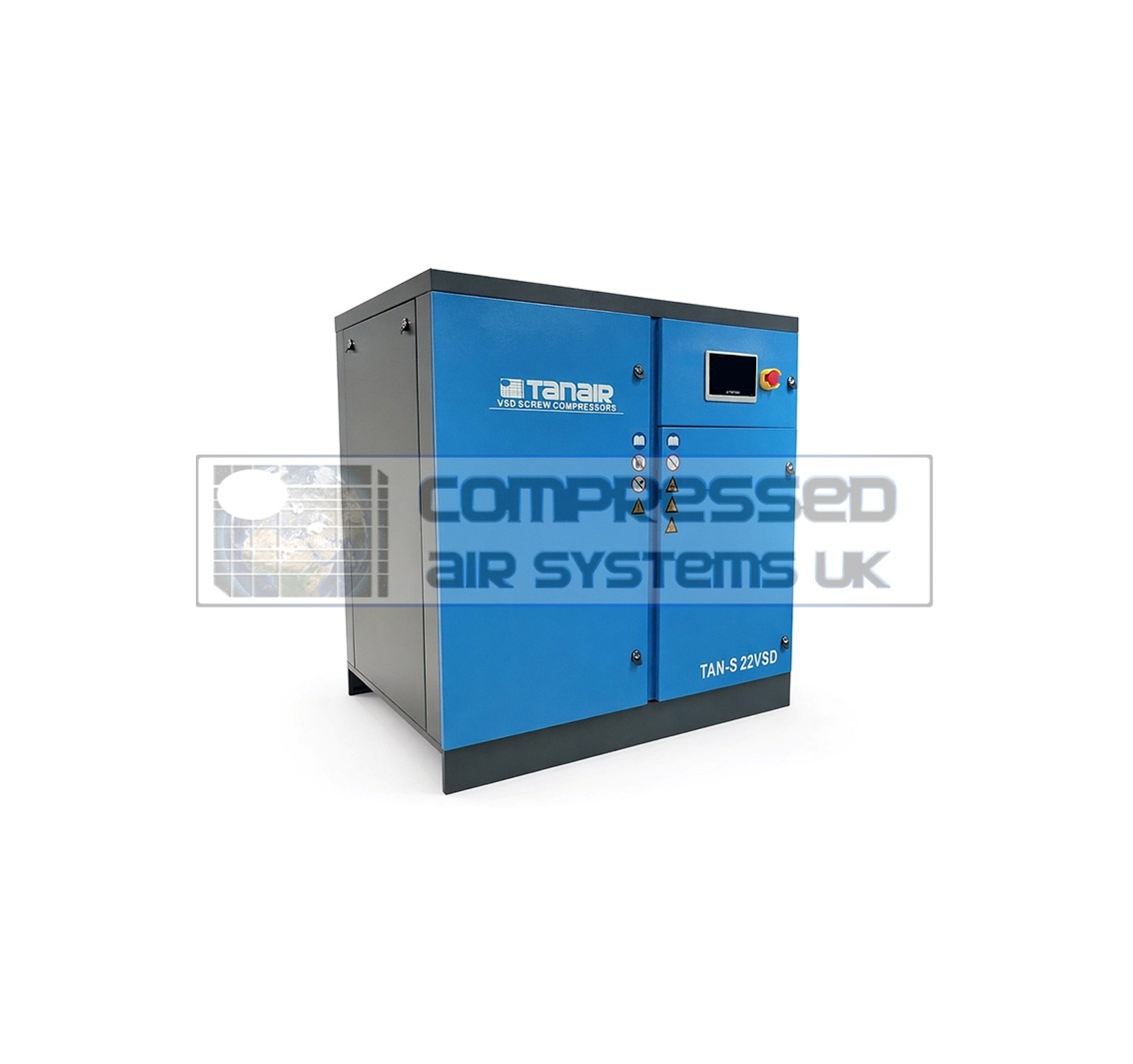
Compressed air is a valuable utility, but it is expensive to produce. A leaking coupling, damaged hose or failed automatic drain may seem minor, yet the cost can build up every hour the system remains pressurised.
At Compressed Air Systems UK, we've helped businesses select, install and maintain compressed-air equipment since 1992. Our advice starts with the application, not simply the size of the old machine.
Why air leaks matter
Leaks increase the amount of air a compressor must produce just to maintain system pressure. Depending on compressor controls and demand, that can lead to more loaded running, unnecessary electricity use and reduced available capacity for production.
In busy environments, leaks may also be masked by equipment noise. Some leaks continue through breaks, overnight or at weekends if the distribution network stays pressurised.
A simple way to estimate the energy cost
For a reliable cost estimate, first measure the extra electrical energy associated with the leakage or use a competent leak survey to estimate lost air volume and associated compressor energy. Then multiply the wasted annual kWh by your electricity rate.
| Illustrative measured excess electricity | Annual hours | Rate | Annual electricity cost |
|---|---|---|---|
| 0.5 kW | 2,000 | £0.25/kWh | £250 |
| 1.0 kW | 2,000 | £0.25/kWh | £500 |
| 2.0 kW | 2,000 | £0.25/kWh | £1,000 |
The figures show what measured excess electrical demand could cost. They do not claim a particular hole diameter or CFM loss. Actual loss varies with pressure, leakage geometry, operating pattern and compressor efficiency.
Where do compressed-air leaks usually occur?
Common leak points
- Push-fit and threaded connections
- Flexible hoses and tool couplings
- Regulators and filter housings
- Condensate drains and valves
Often overlooked
- Unused drops left pressurised
- Damaged seals on machinery
- Leaking air tools
- Obsolete production branches
Hissing sounds can help locate large leaks, but ultrasonic detection is often more useful for finding smaller leaks in noisy industrial areas. Never put your hands near a suspected high-pressure leak to test it.
How to run a sensible leak-reduction programme
Survey
Identify and record leaks during representative operating conditions, including isolated areas.
Prioritise
Tackle major losses and easy-to-repair points first, and assign each issue an owner.
Repair safely
Depressurise and isolate equipment before repairs using suitable site procedures.
Recheck
Re-survey, review electricity use and make leak checks part of routine maintenance.
Could an efficient new compressor solve the problem?
A modern variable-speed compressor can manage changing demand more efficiently in suitable applications, but it will still need to produce the air lost through leaks. Correcting avoidable losses before sizing a replacement can prevent overspending on compressor capacity.
Compressed Air Systems UK supports leak detection and energy audits across the UK. Request an assessment or quotation and tell us about your existing compressor and operating hours.
Frequently Asked Questions
Do air leaks make a compressor run more often?
Often, yes. The machine must replace the air escaping from the network, which can increase operating time or power demand.
Can I find leaks while the compressor is running?
A specialist may survey a live system using appropriate equipment, but physical repairs require safe isolation and depressurisation.
Will turning the compressor off overnight save money?
It may prevent unnecessary generation when air is not needed, provided the system can be shut down safely and without affecting essential processes.
Should I fix leaks before buying a bigger compressor?
Usually, yes. Unnecessary leakage can distort the size of compressor you think your operation needs.
Need Help With Your Compressed-Air System?
We can help you select suitable equipment, review your existing installation and understand the total cost of ownership. Speak to a UK compressed-air specialist about your application.
Request a Quote →Call 0121 753 3330