Existing Article Product
Nuair NB7/500/F/10DIESEL
33.3 CFM • 10 Bar • 500L • Diesel
Existing linked product • article image used as a safe range visual View ProductSmall compressor faults rarely improve by themselves. Changes in pressure, temperature, noise, vibration, oil condition or running behaviour can all be early signs that maintenance or repair is needed before the problem becomes a costly breakdown.
Compressed air supports everything from production machinery and assembly equipment to workshops, garages and specialist safety systems. When compressor performance starts to deteriorate, the effect can spread across the whole site.
A timely repair can restore pressure, airflow and reliability while preventing a relatively small fault from damaging more expensive components.
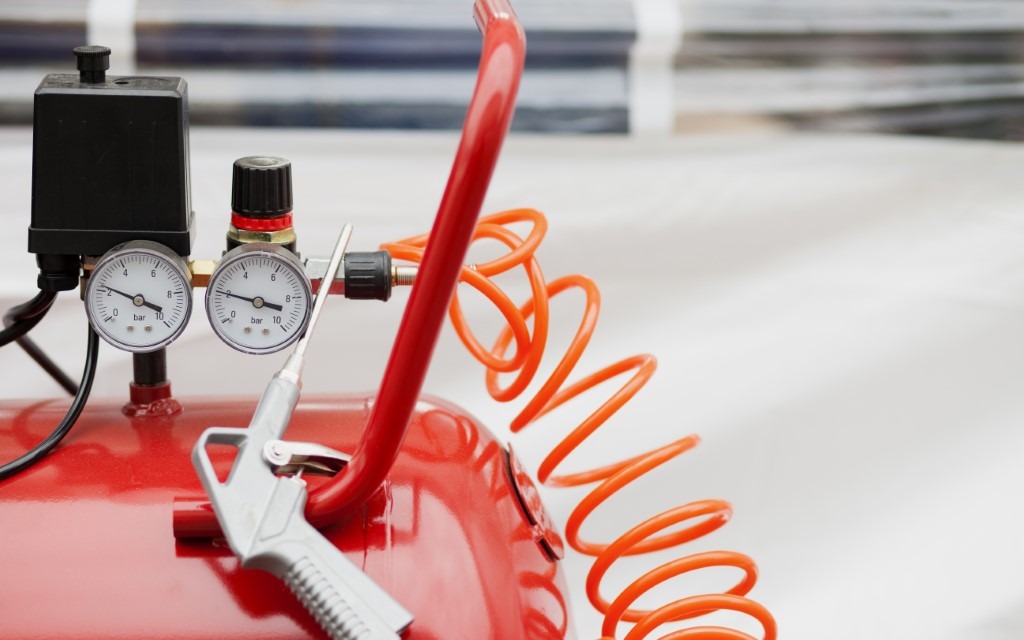
 Existing Tanair article image retained.
Planned maintenance is intended to keep the compressor within its normal operating condition before faults develop.
Repair becomes necessary when a component has failed, worn outside acceptable limits or is causing abnormal compressor behaviour.
The original article correctly highlights that compressor performance depends on more than the main pump or airend. Blocked filters, damaged hoses, leaking connectors, failing valves and restrictive treatment equipment can all affect pressure and efficiency.
 Existing PLUS Series image retained from the original article.
A compressor can continue running while using more electricity or taking longer to satisfy demand. Dirty coolers, pressure drop, worn components, leaks and poor control can all increase operating cost before a complete breakdown occurs.
That is why maintenance and repair should be considered alongside wider efficiency measures such as leak detection, pressure optimisation and demand profiling.
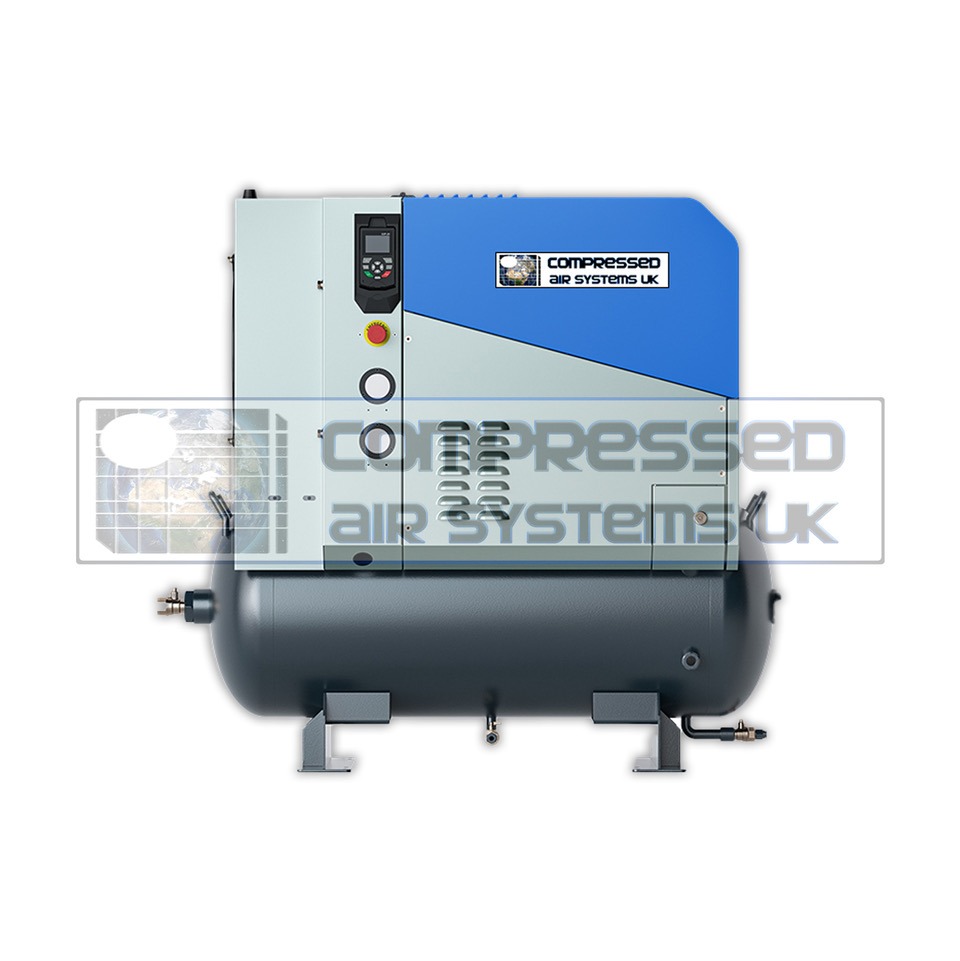 Existing variable-speed permanent-magnet compressor image retained.
Not every compressor should be repaired indefinitely. Replacement can make more commercial sense when faults are becoming frequent, major components are approaching end of life, spare parts are difficult to source, or the machine is badly mismatched to current production demand.
| Situation | Likely Starting Point |
|---|---|
| Minor isolated fault on an otherwise suitable machine | Repair |
| Service items overdue but no major damage | Planned maintenance |
| Repeated breakdowns and rising repair cost | Compare repair with replacement |
| Compressor badly oversized or inefficient for current demand | Measure demand and review replacement options |
| Production cannot tolerate downtime | Consider redundancy, standby capacity or a wider system strategy |
The live article already contains ten product recommendations. Every product route has been retained in this update rather than being replaced by a generic compressor CTA.
33.3 CFM • 10 Bar • 500L • Diesel
Existing linked product • article image used as a safe range visual View Product
12.6 CFM • 8 Bar • 100L • 230V
Existing article product View Product
30 CFM • 500L • 415V • Semi-Duplex
Existing article product View Product
8.1 CFM • 8 Bar • 24L • 230V • Oil-Free
Existing article product View Product
29.7 CFM • 270L • 400V • 65 dB(A)
Existing article product View Product
22.6 CFM • 11 Bar • 270L • 400V • 65 dB(A)
Existing article product View Product
24 CFM • 200L • 400V • Piston
Existing article product View Product
26.1 CFM • 10 Bar • 200L • Honda Petrol
Existing linked product • article image used as a safe range visual View Product
9.2 CFM • 50L • 230V • Piston
Existing article product View Product
7.1 CFM • 10L • 230V • Oil-Free
Existing article product View ProductIf the noise is new or worsening, investigate it rather than assuming it is harmless. Continuing to run a compressor with a mechanical fault can increase the eventual damage.
Possible causes include air leaks, worn pump components, restricted filters, valve faults, increased site demand or problems within the distribution system.
Yes. Restriction can increase pressure drop and force the compressor to work harder to maintain the required downstream pressure.
Compare the cost and expected reliability of the repair with the remaining life, efficiency and suitability of the existing machine. Repeated major faults are a good reason to review replacement options.
Compressed Air Systems UK provides emergency breakdown assistance via 0121 753 3330. Availability of parts, temporary equipment and attendance depends on the fault, site and current availability.
The original article's contact route and Birmingham location remain in place.
Offices, Trade Counter & Warehouse
Compressed Air Systems UK
Unit 15, Fortnum Close
Birmingham, B33 0LG
For routine servicing, repairs and parts enquiries, use the Contact Us page or call 0121 753 3330.
Tell us the make, model, pressure, symptoms and any fault code and we can help identify the right next step.