

Power Systems NOBEL
Power Systems NOBEL 18.510 PM (LGN)
20–108 CFM • 10 Bar • Variable Speed
Existing article product View ProductEnergy is usually the largest lifetime cost of an industrial compressor. The best savings come from combining efficient compressor technology with correct sizing, sensible pressure, leak reduction, good pipework and a demand profile that matches the machine.
An efficient compressor produces the airflow and pressure the site actually needs without wasting unnecessary electricity through unloaded running, excessive pressure, poor transmission efficiency or incorrect sizing.
Permanent-magnet motors, direct-drive arrangements and variable-speed control can all help, particularly where air demand varies. But no technology can compensate for a system that is badly oversized, leaking heavily or operating at more pressure than the process requires.
The original article already featured these eight Power Systems permanent-magnet variable-speed compressors. They have all been retained with their existing product routes.
20–108 CFM • 10 Bar • Variable Speed
Existing article product View Product
20–108 CFM • 10 Bar • Integrated Dryer & Filters
Existing article product • range image View Product
20–117 CFM • 10 Bar • Variable Speed
Existing article product View Product
20–117 CFM • 10 Bar • Integrated Dryer & Filters
Existing article product • range image View Product
30–178 CFM • 10 Bar • Variable Speed
Existing article product View Product
30–178 CFM • 10 Bar • Integrated Dryer & Filters
Existing article product • range image View Product
30–194 CFM • 10 Bar • Variable Speed
Existing article product View Product
30–194 CFM • 10 Bar • Integrated Dryer & Filters
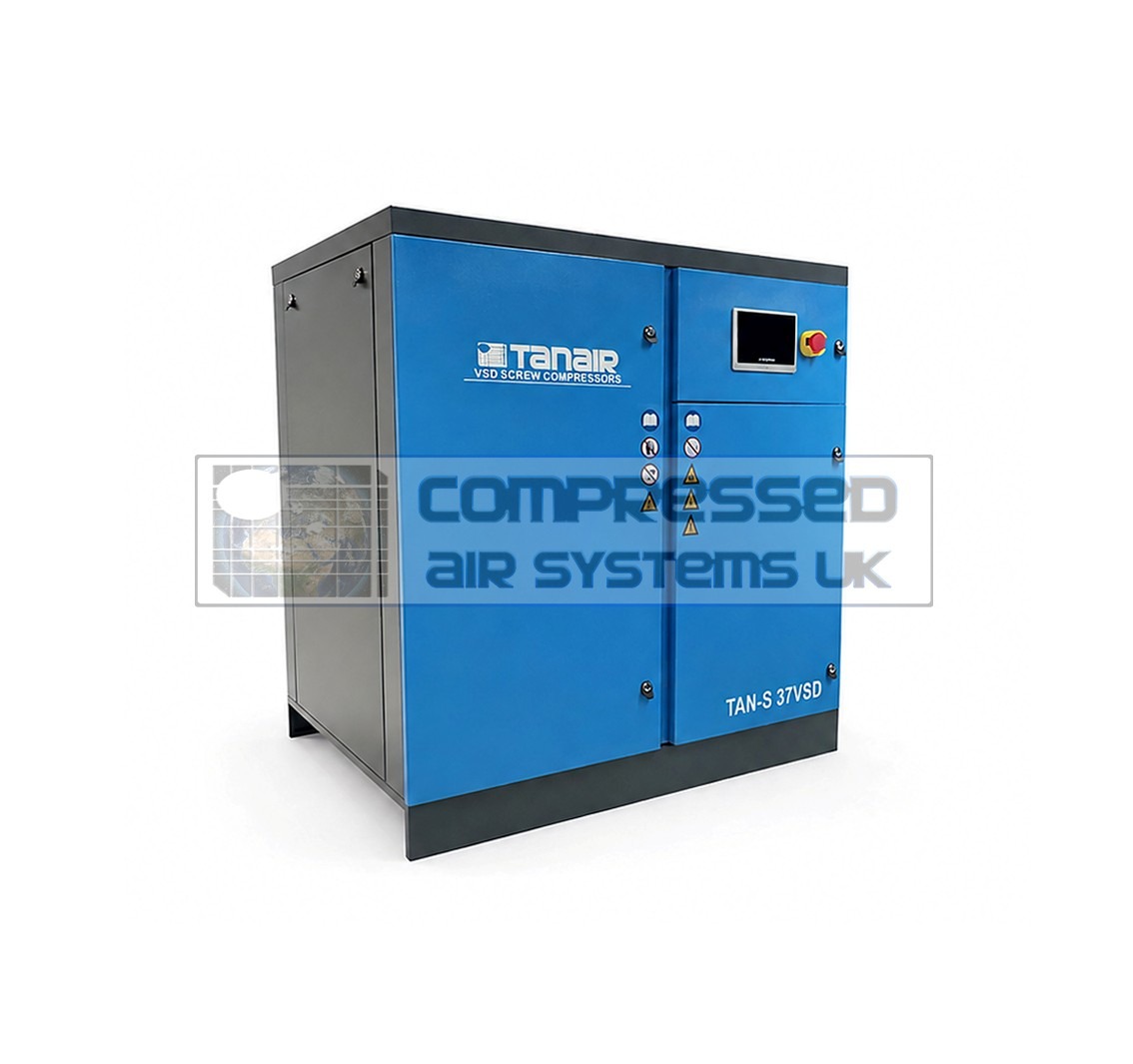
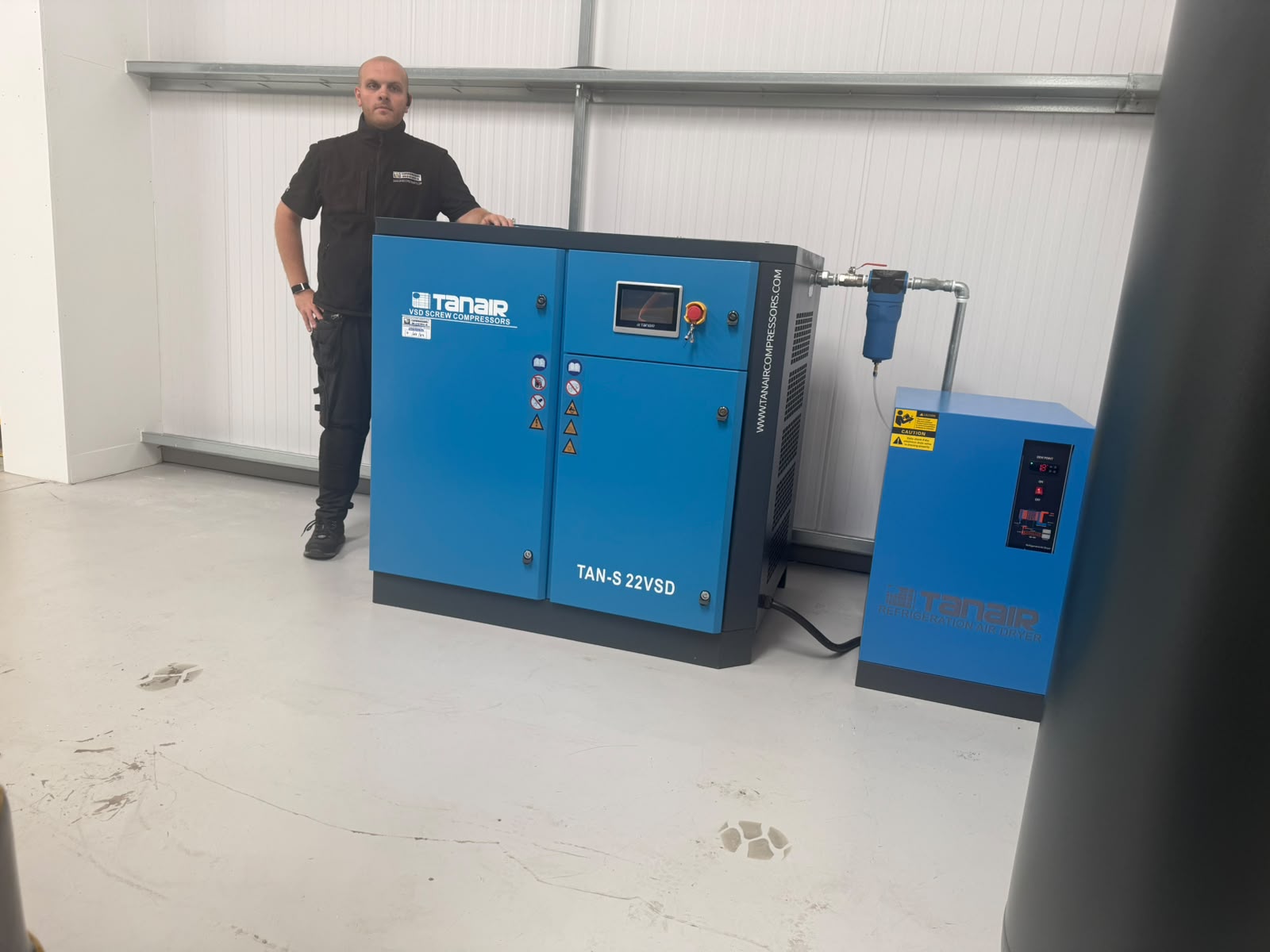
Existing article product • range image View ProductWe have also added the current Tanair permanent-magnet variable-speed screw range. These are direct-drive 415V compressors designed to match motor speed to changing air demand and maintain stable system pressure.
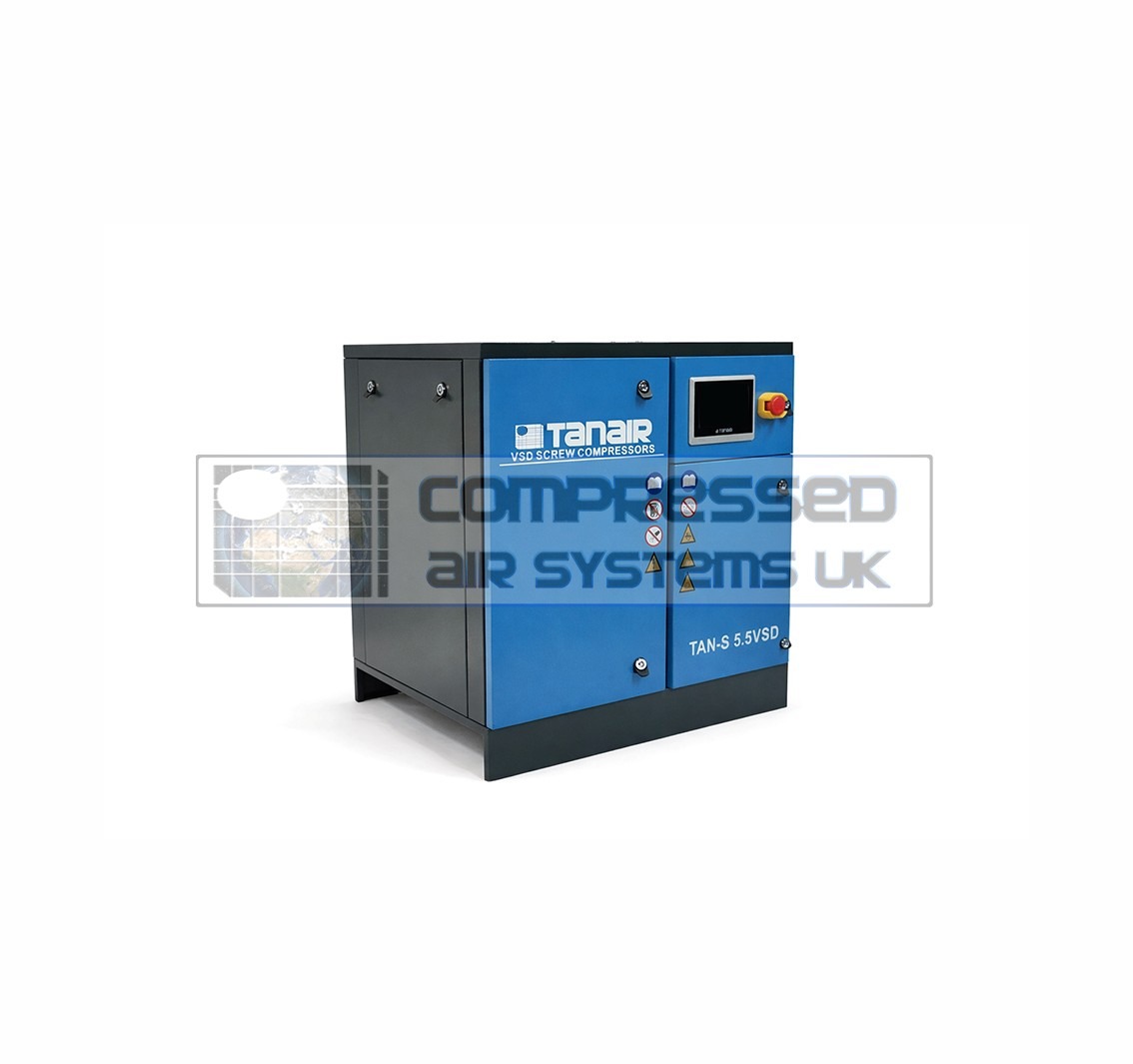
5.5 kW • 19 CFM • 10 Bar • 415V
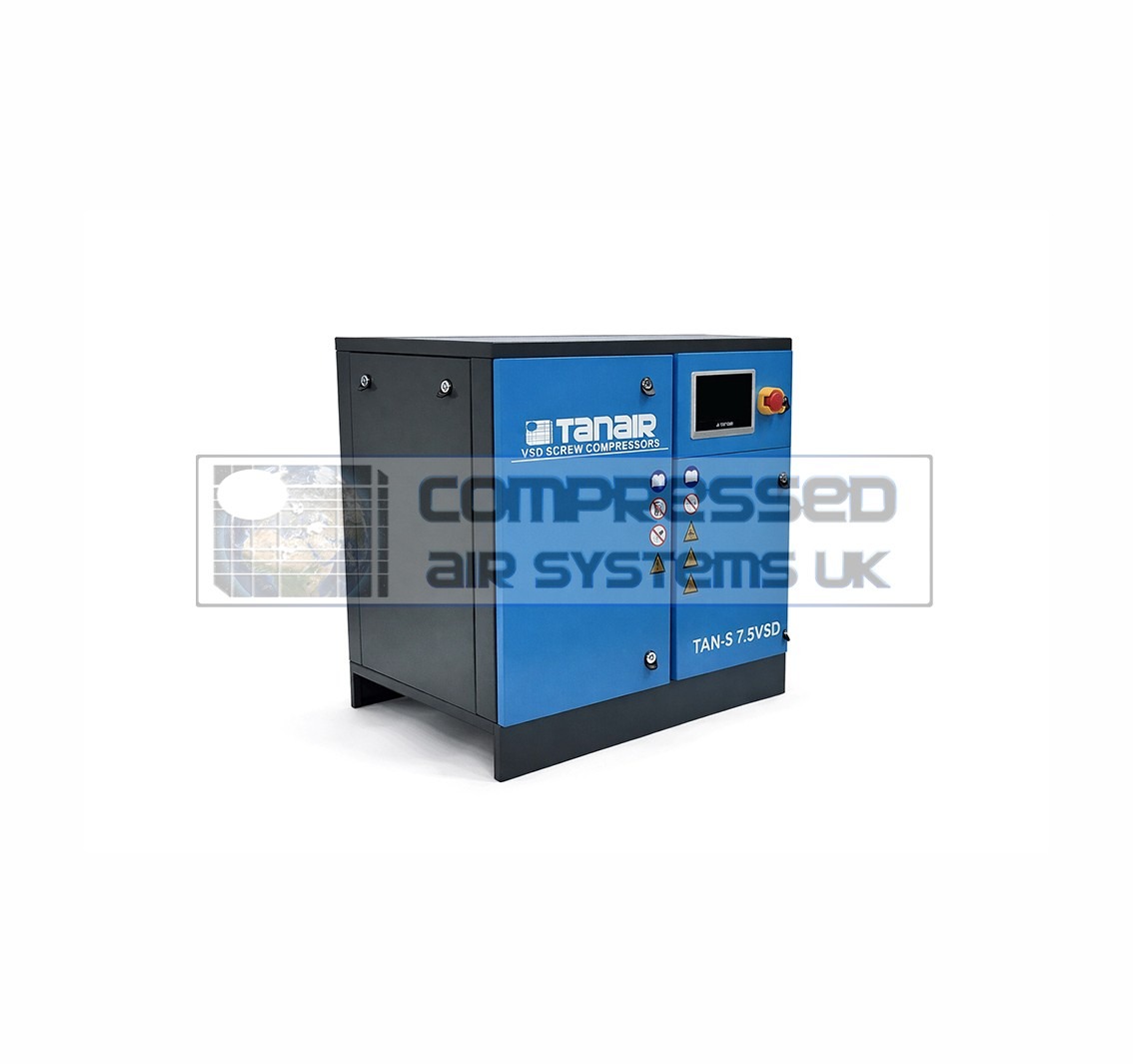
7.5 kW • 32 CFM • 10 Bar • 415V
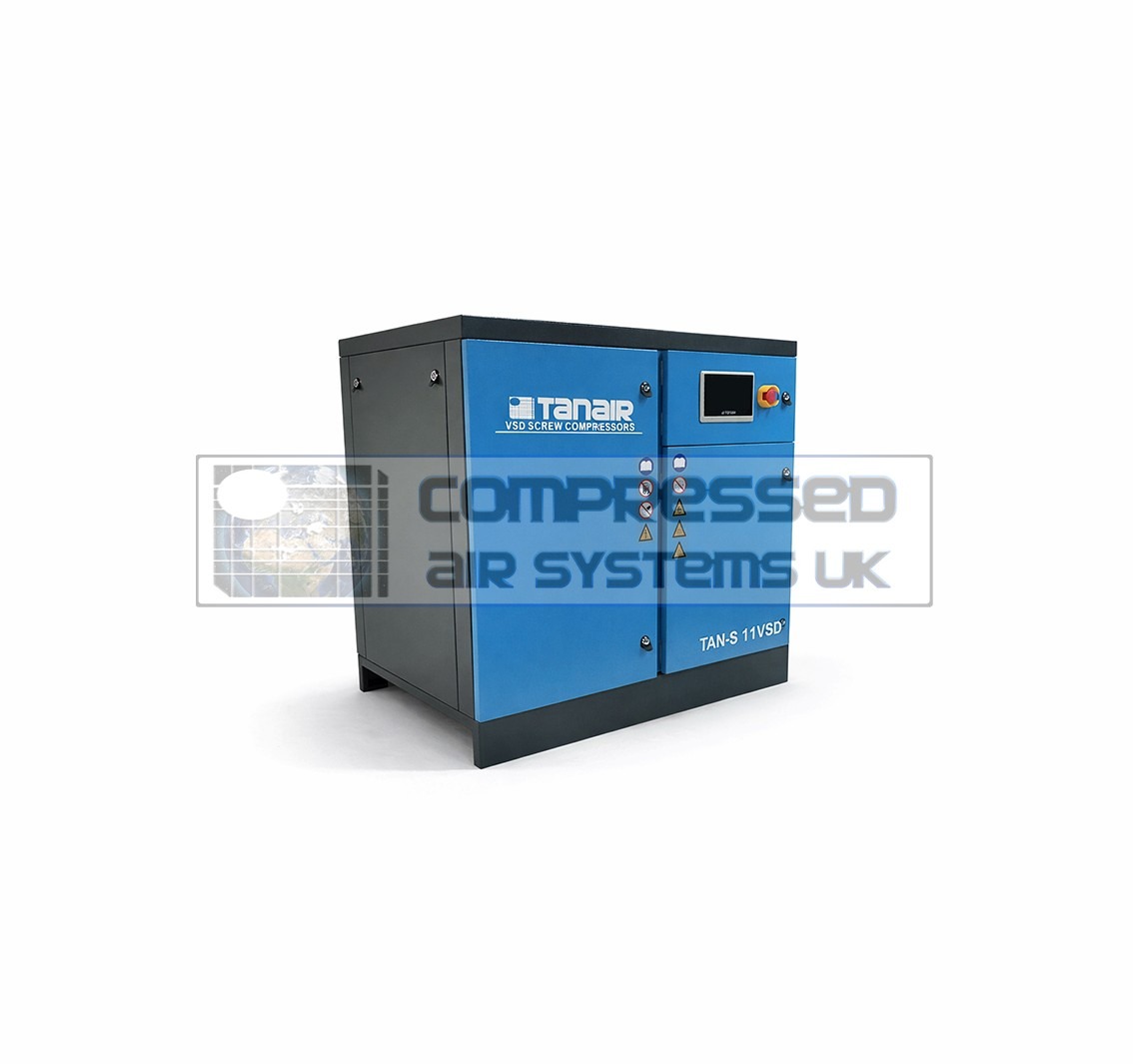
11 kW • 46 CFM • 10 Bar • 415V
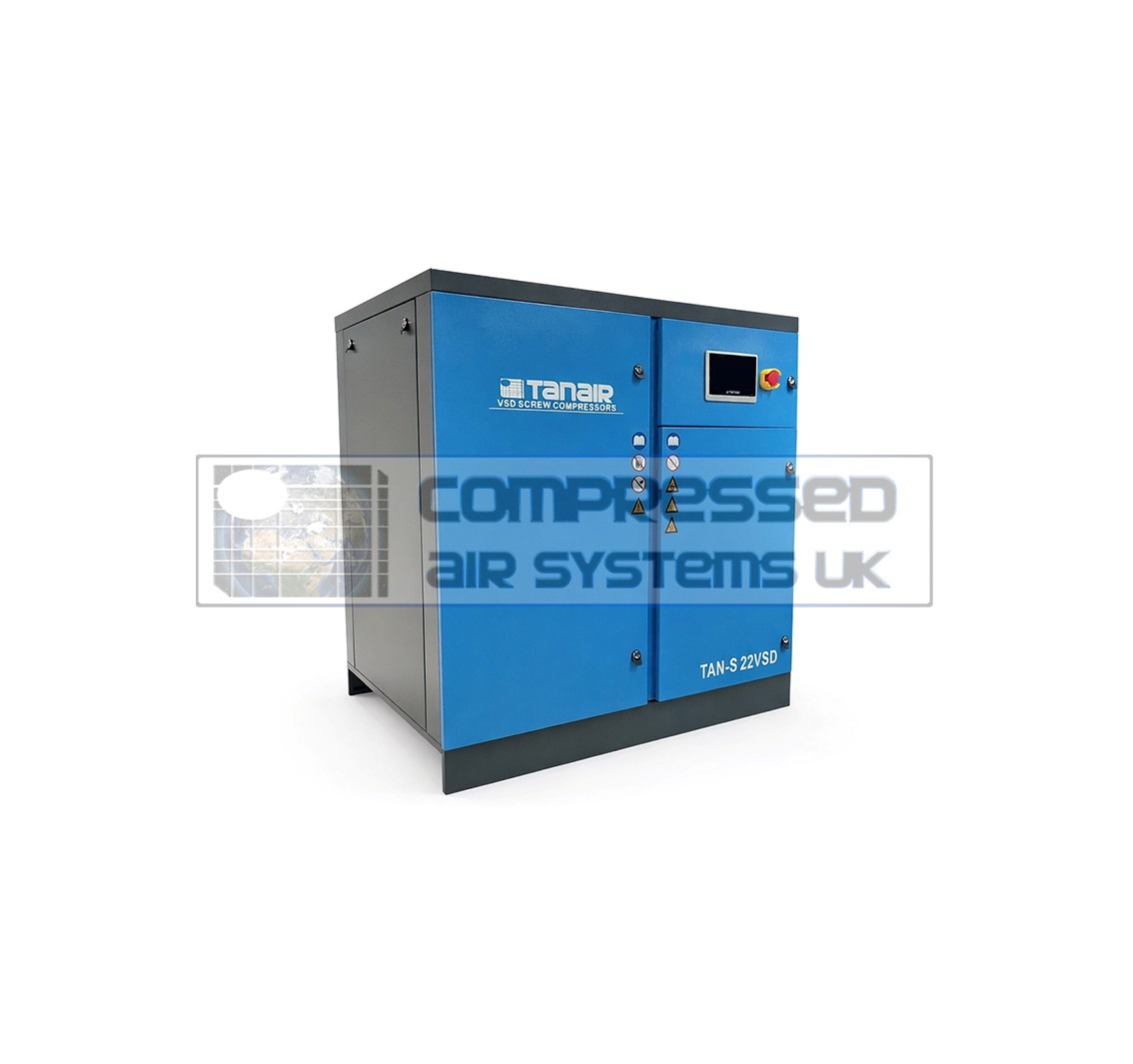
22 kW • 112 CFM • 10 Bar • 415V
Permanent-magnet motors can maintain strong efficiency across a wide operating range. Combined with a variable-speed drive, the compressor can reduce motor speed as air demand falls instead of repeatedly producing excess air or spending long periods unloaded.
The original article's sizing guidance is worth keeping. Airflow and pressure determine whether the compressor can actually support the process; motor power alone is not a reliable sizing method.
| Figure | What It Tells You | Why It Matters |
|---|---|---|
| CFM / m³/min | Delivered airflow | Must cover simultaneous tool and process demand |
| Bar / PSI | Operating pressure | Too little causes poor performance; too much wastes energy |
| kW / HP | Motor power | Useful for electrical and energy calculations, but not a substitute for CFM |
| Duty / Hours | How the compressor is used | Helps determine piston vs screw and fixed-speed vs VSD suitability |
The original guide contains a long reference table of air-tool consumption. Rather than deleting that useful sizing information, the key examples are retained below. Actual tool consumption varies by manufacturer, size and duty, so always check the individual tool data where available.
| Example Tool | Typical Pressure | Approx. Consumption |
|---|---|---|
| Air Drill | 6.2 bar | 4.5 CFM |
| 5" Angle Grinder | 6.2 bar | 5.5 CFM |
| 3" Belt Sander | 6.2 bar | 6.5 CFM |
| 1" Impact Wrench | 6.2 bar | 12.5 CFM |
| Spray Gun | 6.2 bar | 9.5 CFM |
| Small Sandblaster | 6.2 bar | 10 CFM |
| Medium Sandblaster | 6.2 bar | 20 CFM |
| Large Sandblaster | 6.2 bar | 45 CFM |
| Paint Sprayer | 6.2 bar | 12 CFM |
| Air Blow Gun | 6.2 bar | Approx. 2–5 CFM depending on size |
The purchase price is only one part of a compressor's cost. For machines with high annual running hours, even a modest improvement in electrical efficiency can have a significant effect over the compressor's lifetime.
No. They are particularly effective where demand varies. A correctly sized fixed-speed compressor can remain a good choice where demand is steady.
Permanent-magnet motors can offer strong efficiency across a broad operating range, which makes them well suited to variable-speed compressor applications.
The current Tanair product pages describe potential savings of up to 35% compared with fixed-speed compressors, depending on demand variation and duty. Actual savings need to be assessed against the existing system.
No. Start with required CFM and pressure, then consider duty cycle, electrical supply, treatment requirements and future demand.
Yes. An efficient compressor still wastes electricity if it is supplying significant air leakage or unnecessary pressure.
The original article's contact route remains in place. For compressor sizing, energy-saving advice or help comparing Power Systems NOBEL and Tanair VSD models, contact the team.
Offices, Trade Counter & Warehouse
Compressed Air Systems UK
Unit 15, Fortnum Close
Birmingham, B33 0LG
Call 0121 753 3330 or use the Contact Us page.
Compare the existing Power Systems NOBEL range with our Tanair TAN-S VSD compressors, or let us review your actual airflow and demand before you choose.
BUSINESS ENERGY ADVICE SERVICE Could the BEAS Grant Help Towards Your Next Air Compressor? Eligible West Midlands businesses could access
Hire Compressor Guidance Preparing Your Site for a Hire Compressor and Choosing the Right Hire Length Did you know that
Portable Compressed Air Without Mains Power Petrol Compressors Guide for UK Sites & Workshops Petrol-powered compressors can provide practical compressed
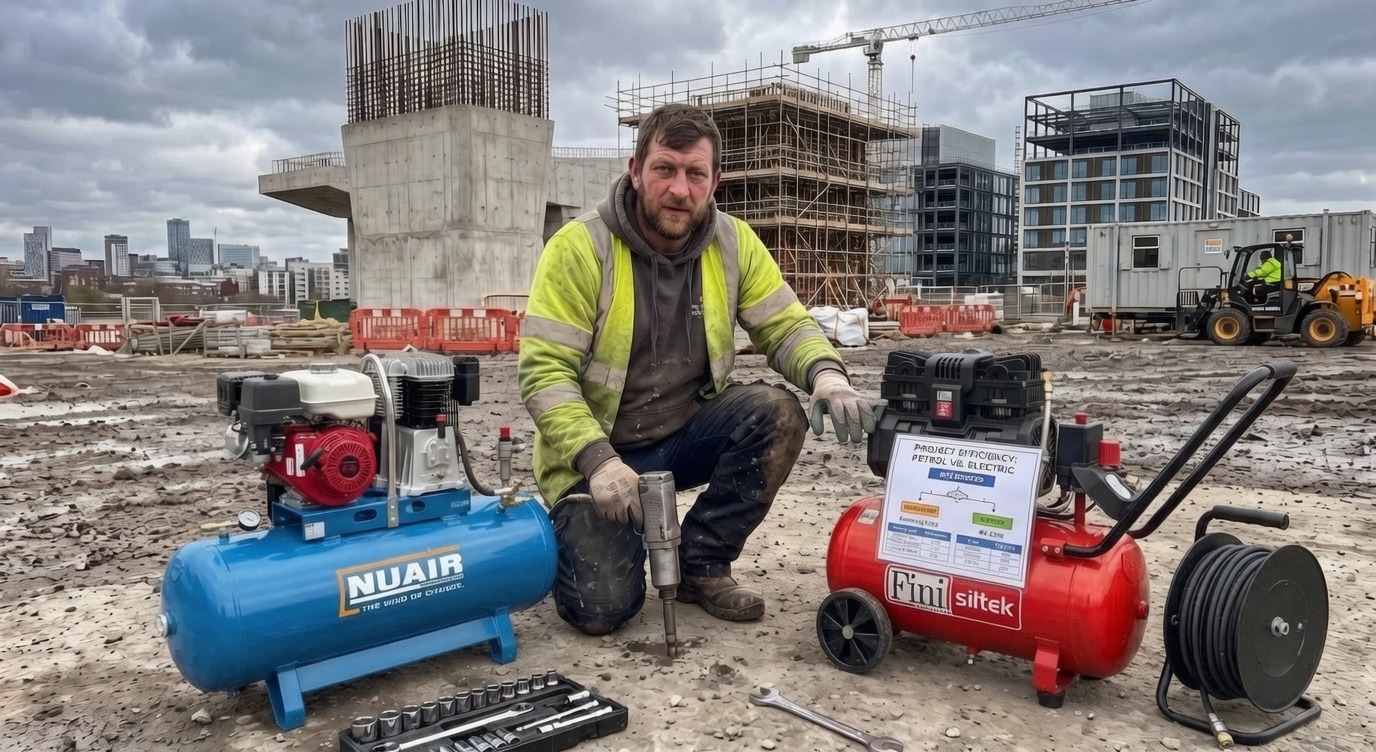
Portable Site vs Workshop Compressors Petrol vs Electric Air Compressors: Which Is Best? Petrol is often the practical choice when
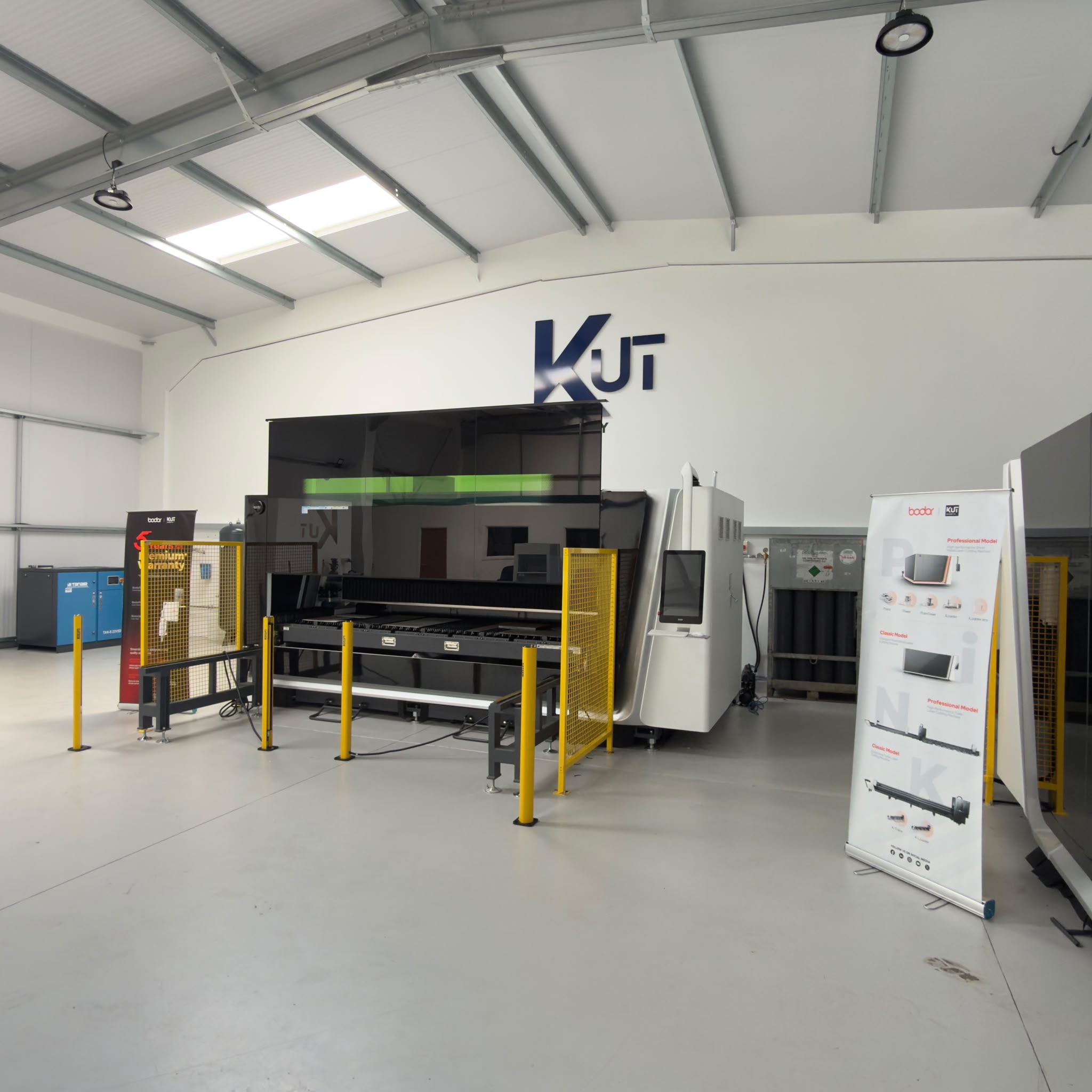
Compressed Air Storage for CNC & Manufacturing What Size Air Receiver Do I Need for a CNC Workshop? Receiver size
CNC & Manufacturing Compressor Selection Variable Speed vs Fixed Speed Compressors for CNC Equipment Fixed speed can be an excellent