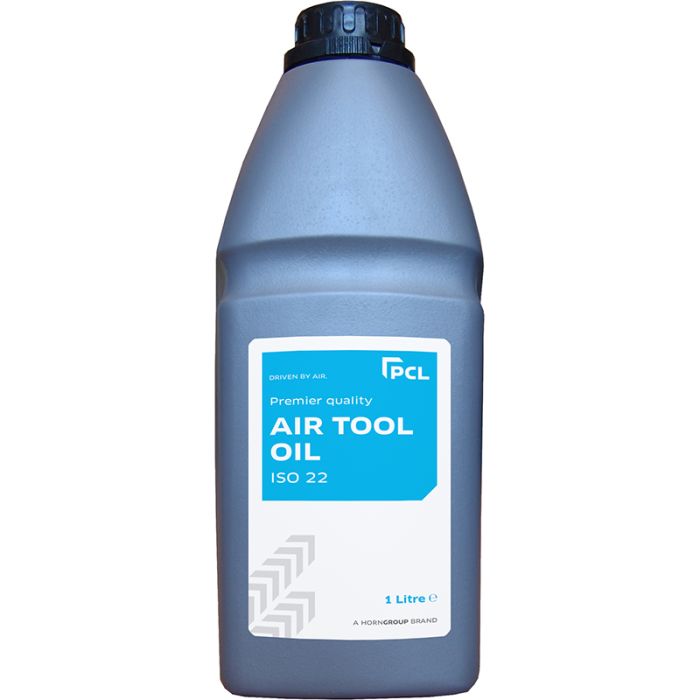
Air Tool & Air Line Lubricant
Specialist oil for compatible pneumatic tools and compressed-air line lubricators, helping maintain moving components where oil lubrication is specified by the equipment manufacturer.
Air Tool Oil for Pneumatic Tools & Airline Lubricators
Many pneumatic tools rely on a controlled amount of lubricant to reduce friction and wear inside their moving components.
Air tool oil can be introduced manually where the tool manufacturer specifies it, or through a correctly adjusted compressed-air lubricator. Not every pneumatic tool or process should receive oil, so always check the equipment requirements first.
Airline 22 Air Tool Oil
Dedicated pneumatic-tool lubricant for compatible air tools and compressed-air lubrication systems.
What Does Air Tool Oil Do?
Where a pneumatic tool is designed to operate with oil lubrication, the lubricant helps maintain a film between moving internal components.
- Helps reduce friction between moving components
- Helps reduce wear in lubricated pneumatic mechanisms
- Supports smooth operation of compatible air tools
- Provides lubrication through compatible airline lubricators
- Supports routine maintenance of pneumatic equipment
- Can help protect internal surfaces where the correct lubricant is specified
What Equipment Uses Air Tool Oil?
The precise lubrication requirement depends on the tool manufacturer, but compatible lubricated pneumatic equipment may include:
Impact Wrenches
Some pneumatic impact tools require regular oil lubrication to support the internal air motor.
Air Ratchets
Compatible air ratchets may require routine lubrication in accordance with the tool instructions.
Air Drills
Pneumatic drills with lubricated air motors may require air tool oil during routine operation.
Air Grinders
Compatible grinders and similar rotary air tools can require controlled oil lubrication.
Pneumatic Machinery
Some cylinders, motors and other pneumatic equipment use lubricated compressed air where specified by the manufacturer.
Airline Lubricators
Air tool oil can be used in compatible lubricator bowls to introduce a controlled oil mist into the compressed-air supply.
Not Every Compressed-Air System Should Be Lubricated
Adding oil to a compressed-air line is not automatically beneficial. Some tools are designed to operate without an external oil supply, and many industrial processes require oil-free downstream air.
Where one compressed-air system supplies both lubricated pneumatic tools and oil-sensitive equipment, the distribution arrangement may need separate branches so lubricant is introduced only where required.
How Should Air Tool Oil Be Used?
Follow the tool or equipment manufacturer's lubrication instructions. The required quantity and method vary considerably between products.
Manual Lubrication
Some tools require a small quantity of pneumatic-tool oil to be introduced into the air inlet as part of routine maintenance.
Inline Lubricator
A compatible airline lubricator can introduce a controlled amount of oil into the airflow for suitable downstream equipment.
Filtration, Regulation & Lubrication
Pneumatic tools generally perform best when supplied with compressed air that is correctly filtered and regulated for the tool.
Where lubrication is required, an air-preparation arrangement may include filtration, pressure regulation and lubrication, often referred to as an FRL assembly.
- Filter contaminants and liquid water where required
- Set pressure to the tool manufacturer's stated requirement
- Use a lubricator only where the connected equipment requires oil
- Size filters and regulators for the required airflow
- Keep lubricator bowls clean and correctly filled
- Check downstream applications before introducing oil
Why Is My Air Tool Running Slowly?
Poor tool performance is not always caused by lack of lubrication. Before simply adding more oil or increasing pressure, check the complete compressed-air supply.
- Compressor airflow may be insufficient
- Hose may be too small for the airflow demand
- Long hose runs can create excessive pressure drop
- Quick-release couplings may be restrictive
- Air filters may be blocked
- Pressure regulator may be undersized or incorrectly set
- Air leaks may reduce available flow
- Internal tool components may be worn or contaminated
- The tool may require maintenance or lubrication
Storing & Handling Air Tool Lubricant
- Keep the container sealed when not in use
- Protect the lubricant from water, dust and contamination
- Use clean dispensing equipment
- Keep lubricant clearly labelled
- Do not mix with other oils unless compatibility is confirmed
- Follow the product storage and safety information supplied
Not Sure Whether Your Air Tool Needs Lubrication?
Check the tool manufacturer's operating and maintenance instructions before introducing oil.
If you need help with the wider compressed-air arrangement, provide our team with:
- Air tool manufacturer and model
- Required operating pressure
- Air consumption where known
- Current hose size and length
- Filter and regulator details
- Whether an airline lubricator is already installed
- Other equipment connected to the same air line
Looking for a Different Compressor Lubricant?
Air tool oil is different from the oils used inside piston, rotary vane and rotary screw compressors.
If you need compressor lubricant rather than pneumatic-tool oil, use our main lubricant section to select the correct equipment type.
Air Tool & Airline Lubricant FAQs
What is air tool oil used for?
Air tool oil is used to lubricate compatible pneumatic tools and compressed-air lubrication systems where the equipment manufacturer specifies oil lubrication.
Is air tool oil the same as compressor oil?
No. Air tool oil is intended for compatible pneumatic tools and airline lubricators. It should not automatically be used in a compressor crankcase, rotary screw air end or engine.
Do all pneumatic tools need oil?
No. Lubrication requirements vary by tool. Some require regular oil, while others are designed for restricted lubrication or oil-free operation. Follow the manufacturer's instructions.
What is an airline lubricator?
An airline lubricator introduces a controlled quantity of suitable oil into the compressed-air stream for downstream equipment that requires lubricated air.
Can I put an airline lubricator on my whole compressed-air system?
Not automatically. Oil should not be introduced upstream of tools or processes that require oil-free compressed air. Separate branches may be needed.
Can too much air tool oil cause problems?
Yes. Excessive lubrication can result in oil being discharged from the tool exhaust and may contaminate equipment, workpieces or the surrounding area.
Why is my pneumatic tool losing power?
Possible causes include insufficient compressor airflow, undersized hose, restrictive couplings, pressure drop, blocked filters, leaks, incorrect regulation or internal tool wear.
Can Compressed Air Systems UK help with air tool lubrication?
Yes. Our team can assist with air tool oil, filters, regulators, lubricators, hoses and wider compressed-air system requirements.
Need Help With Air Tool Lubrication?
Tell us which pneumatic tools you are using and how your compressed-air supply is arranged and our team can help with oil, filtration, regulation and airline-lubrication requirements.
Call 0121 753 3330Industries We Support
Support & Aftercare
Our Expert Services
24/7 EMERGENCY BREAKDOWN
Rapid response for all air compressor malfunctions, anytime you need us.
View ServiceINSTALLATIONS
Expert design and bespoke pipework installations tailored to your site.
View ServiceSERVICING
Comprehensive maintenance to keep your air systems running at peak performance.
View ServiceVISIT OUR TRADE COUNTER
Come meet our experts in person at our dedicated Birmingham trade hub.
Get DirectionsSHOP NOW
Browse our full range of air compressors, parts, and industrial tools online.
Go To ShopCONTACT US
Have a question? Reach out to our team today for expert advice and support.
Send Message