Existing BSP Product
Identify BSPP and BSPT threads correctly, understand nominal BSP sizes, compare thread pitch and outside diameter, and avoid the common mistake of forcing BSP and NPT components together.
British Standard Pipe — BSP — is a family of pipe-thread forms widely used on compressed-air, pneumatic, hydraulic and fluid components in the UK. BSP threads use a 55° Whitworth thread form, and the nominal BSP size does not directly equal the measured outside diameter of the male thread.
The two forms most often encountered are BSPP, which is parallel, and BSPT, which is tapered.
The thread diameter remains substantially constant along the threaded length. The pressure seal is normally made by a separate sealing feature such as an O-ring, bonded seal, washer, gasket or sealing face rather than by thread interference alone.
The thread tapers and tightens as male and female threaded components engage. A suitable thread sealant is commonly used where specified by the component or system manufacturer.
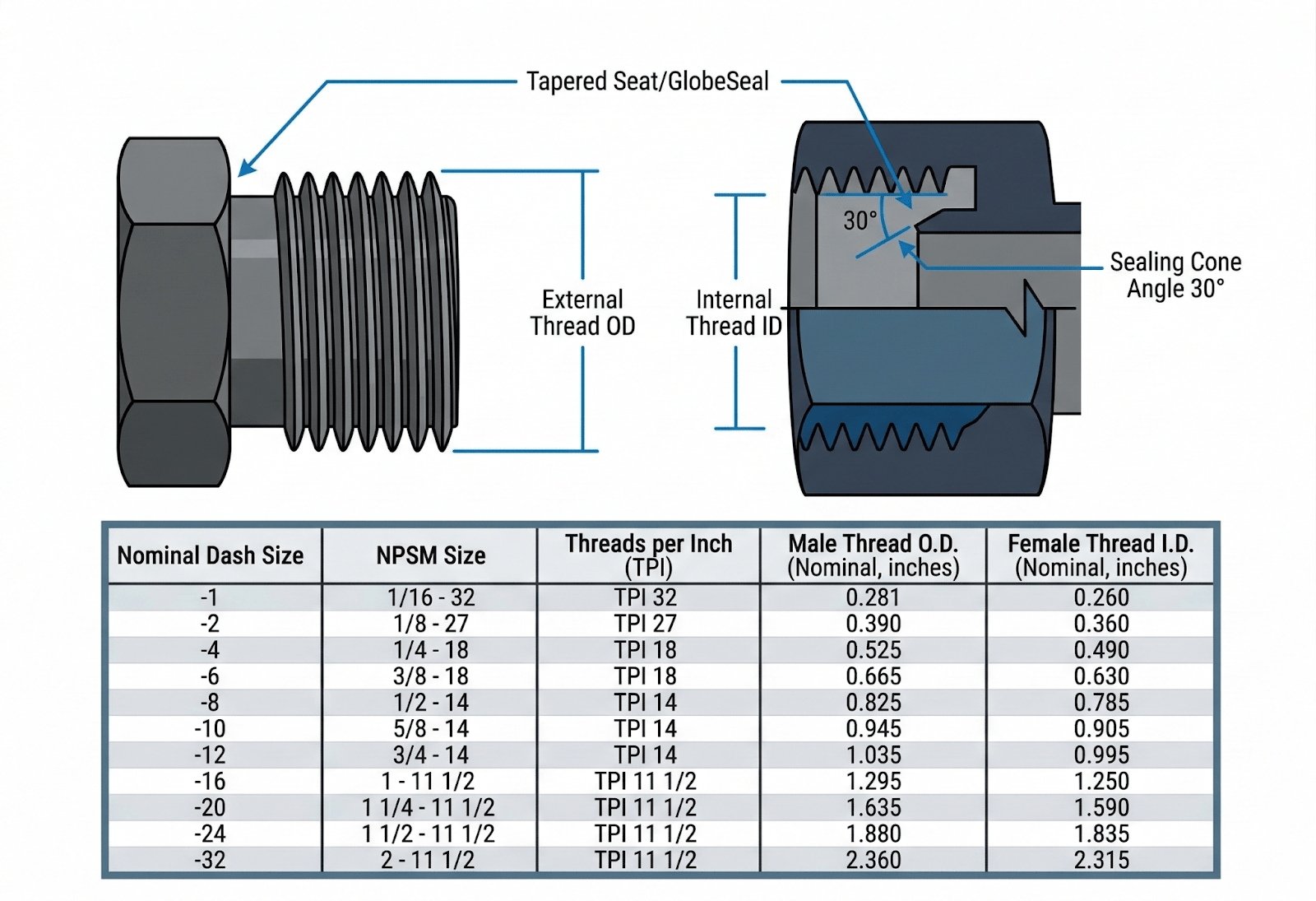 Original BSPP identification graphic retained from the live article.
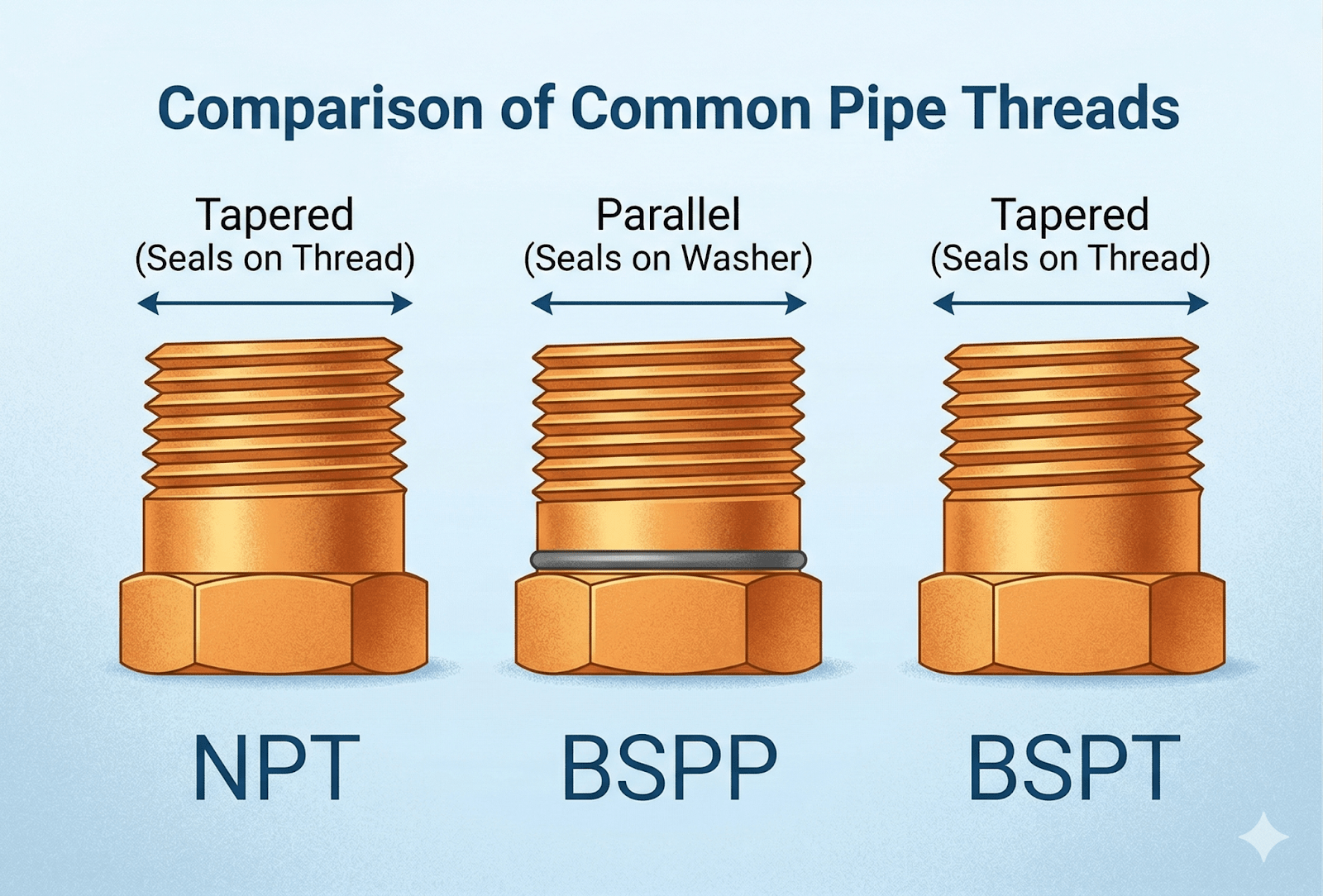 Original BSPT identification graphic retained from the live article.
Do not identify a BSP fitting from visual appearance alone. A reliable identification uses several checks together.
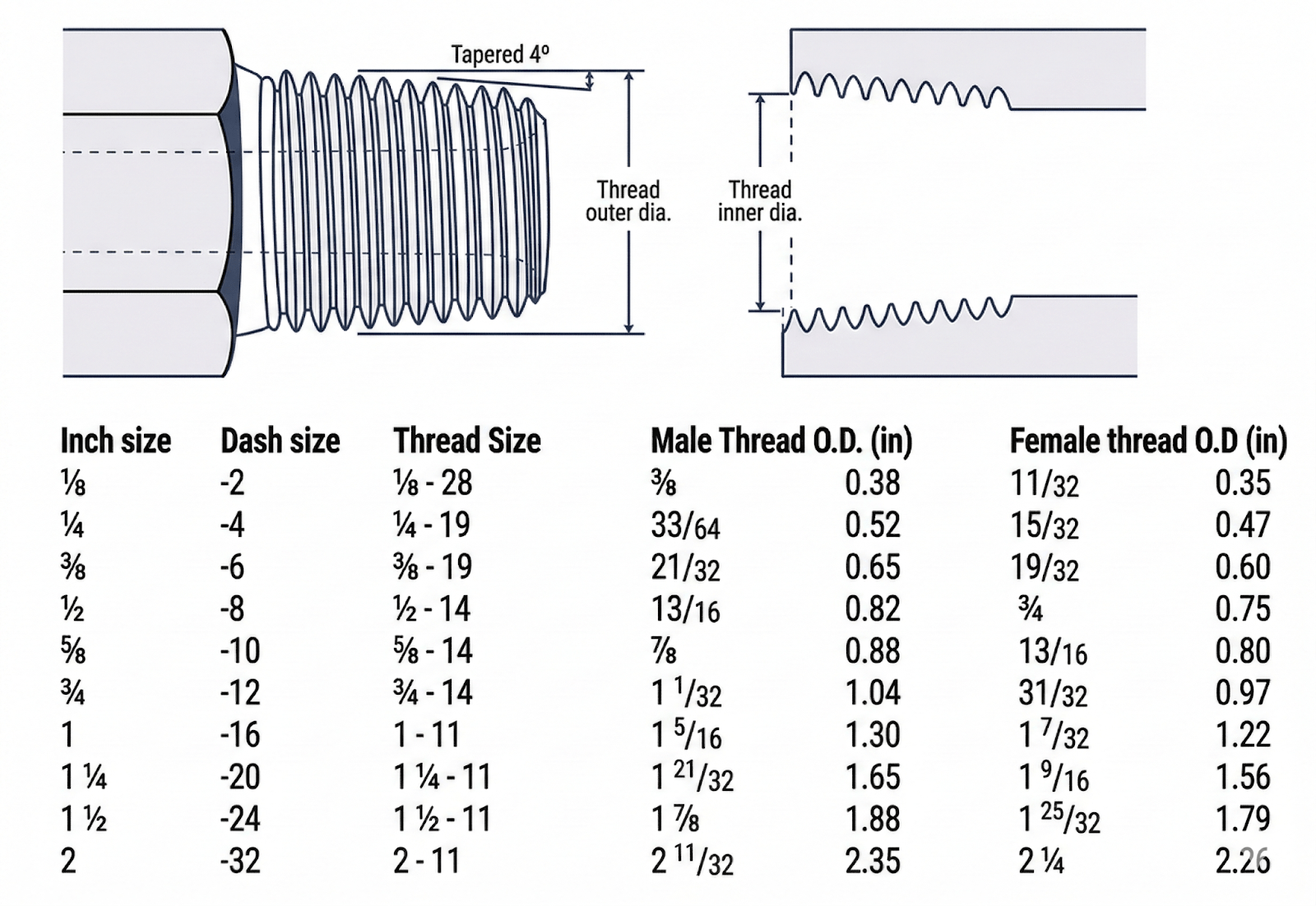 Original BSP thread-identification graphic retained.
The table below preserves the identification values from the live guide for common workshop sizes. Treat the outside diameter as an identification reference — it is deliberately larger than the nominal BSP size.
| BSP Size | TPI | Major Diameter | Minor Diameter | Tap Drill | Typical Use |
|---|---|---|---|---|---|
| 1/8" | 28 | 9.728 mm | 8.566 mm | 8.70 mm | Small fittings, sensors |
| 1/4" | 19 | 13.157 mm | 11.445 mm | 11.60 mm | Hoses, valves, tool connections |
| 3/8" | 19 | 16.662 mm | 14.950 mm | 15.00 mm | Air tools, manifolds |
| 1/2" | 14 | 20.955 mm | 18.631 mm | 19.00 mm | Compressors, distribution pipework |
| 3/4" | 14 | 26.441 mm | 24.117 mm | 24.50 mm | Larger lines and equipment |
| 1" | 11 | 33.249 mm | 30.291 mm | 30.75 mm | Higher-flow distribution systems |
This catches out many people. BSP sizes originated from nominal pipe-bore conventions, so the outside diameter of a male thread is not the same as the size printed in its description.
For example, a male 1/2" BSP thread is around 20.955 mm major diameter. Measuring approximately 21 mm therefore points towards 1/2" BSP rather than a “21 mm thread”.
BSP and NPT can look similar but they are different thread systems. BSP uses a 55° Whitworth thread form; NPT commonly uses a 60° thread form. Pitch and profile can also differ depending on size.
A parallel thread generally needs a dedicated sealing feature rather than relying on tightening the thread until it jams.
BSPT threads tighten progressively because of their taper. Depending on the component design and manufacturer instructions, a compatible thread sealant may be required to provide reliable leakage control.
The live article contains eight embedded BSP fittings and valves. All eight original product recommendations, routes and product images are retained here.
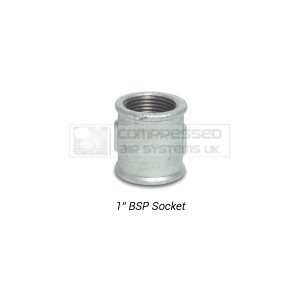
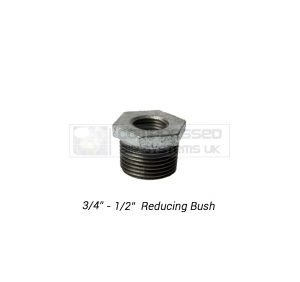
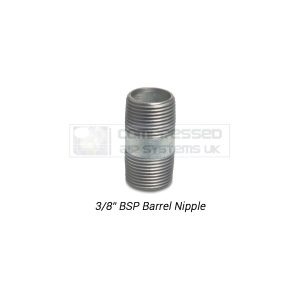
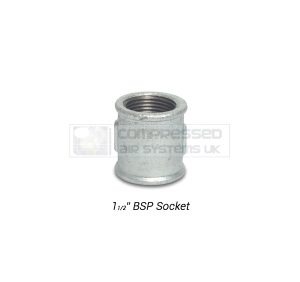
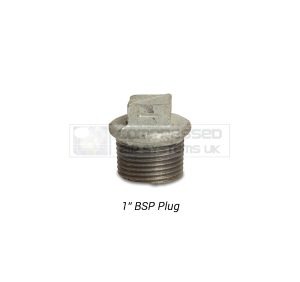
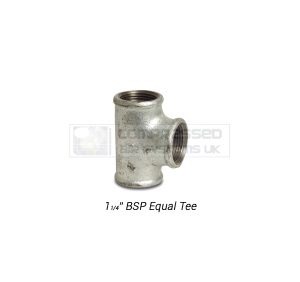
BSP connections appear throughout compressor installations, including receivers, filters, regulators, valves, hoses, drains, pressure switches and pipework. Correct thread identification reduces the risk of damaged ports, repeated leakage and unnecessary adaptor stacks.
Threaded joints do not need arbitrary monthly dismantling. Instead, include visible connections in the site's normal compressed-air inspection and leak-detection programme.
BSPP has a parallel thread and normally relies on a separate sealing feature. BSPT has a taper and progressively tightens as the threads engage, with an appropriate sealant used where specified.
Measure the thread diameter, determine the thread pitch/TPI and check whether the thread is parallel or tapered. Then compare those measurements with a BSP identification chart.
BSP sizes are nominal pipe sizes rather than literal outside-thread measurements. A 1/2" BSP male thread has a major diameter of approximately 20.955 mm.
They should not be treated as interchangeable. Their thread forms differ, and an appropriate adaptor should be used when converting between standards.
No single sealing method suits every fitting. Follow the fitting or equipment manufacturer's sealing instructions and use a compatible sealant where required.
No. Thread form alone does not establish allowable working pressure. Use the pressure rating stated for the actual fitting, material and service conditions.
Send a clear photograph plus the outside thread diameter, thread pitch if known, whether the thread appears tapered, and what the fitting connects to. That gives us a much better chance of identifying the correct replacement without guesswork.
Call 0121 753 3330 or use the Contact Us page.
Diameter + pitch + taper + sealing method is much more reliable than choosing a fitting from appearance alone.