
The Art of Troubleshooting: UK Air Compressor Issues
Low pressure, overheating, vibration, poor air quality and electrical faults can all interrupt compressed-air production. This guide explains the first checks you can make safely — and when it is time to stop troubleshooting and call an engineer.
Start With the Symptom
Good troubleshooting begins by identifying what has changed. Has pressure fallen? Is the compressor taking longer to fill the receiver? Has a new noise appeared? Is discharge temperature higher than normal?
Those observations help narrow the problem before components are disturbed unnecessarily.
 Original troubleshooting graphic retained from the live article.
1. Low Pressure or Inadequate Airflow
Low pressure does not automatically mean the compressor itself is faulty. Start by establishing whether the problem is at the compressor, in the distribution system or at the point of use.
Possible Causes
- Air leaks in hoses, fittings, valves or pipework
- Blocked intake filter
- Worn valves, seals or piston components
- Restricted downstream filters
- Demand has increased beyond compressor capacity
- Incorrect pressure-regulator setting
Safe First Checks
- Compare current pressure with normal operating pressure
- Listen for obvious air leaks
- Check accessible filters and hoses for restriction or damage
- Check whether additional equipment has been added to the system
- Review drain valves for continuous leakage
For a structured approach to leak loss, use the dedicated Leak Detection route.
2. Excessive Noise or Vibration
A new rattle, knock, squeal or increase in vibration should be investigated rather than accepted as normal. Loose components, worn mounts, belt problems, bearings and rotating components can all change the sound or vibration signature of the machine.
 Original noise and vibration graphic retained.
3. Overheating & High Operating Temperature
Compressors generate significant heat, but a machine running hotter than normal can indicate poor ventilation, a dirty cooler, low lubricant, blocked filtration, fan problems or an internal fault.
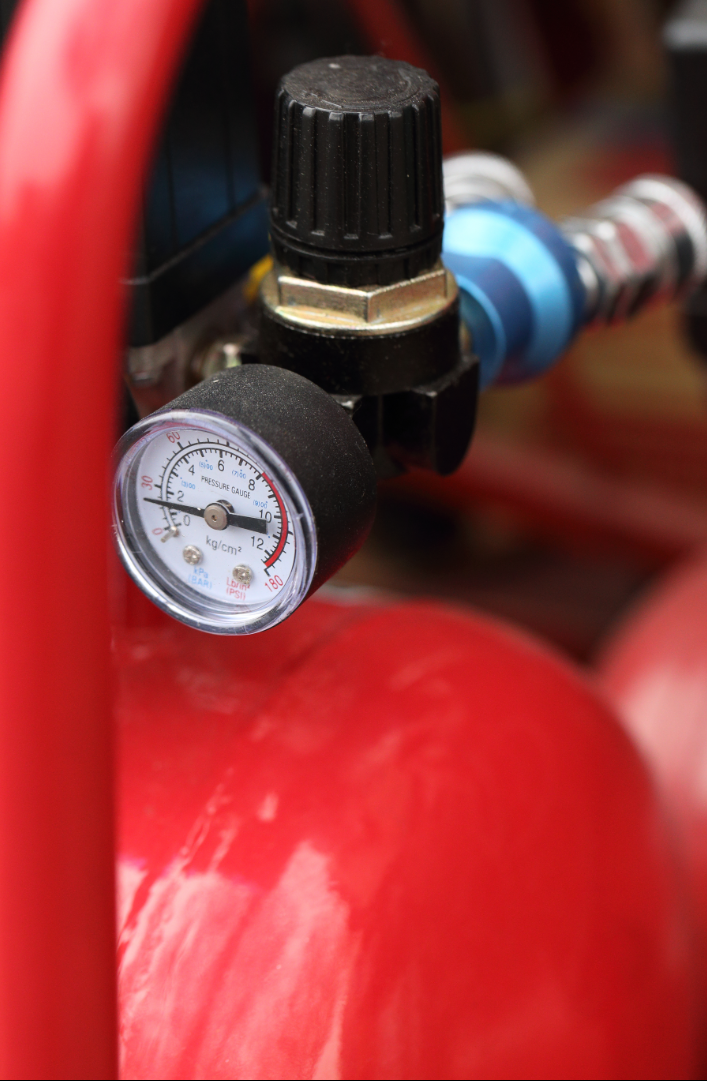 Original overheating graphic retained.
4. Moisture, Oil or Particulate Contamination
Water in compressed air is often a system-treatment issue rather than a compressor fault. Moisture forms naturally as compressed air cools, so drainage, receiver management, dryers and filtration all play a part.
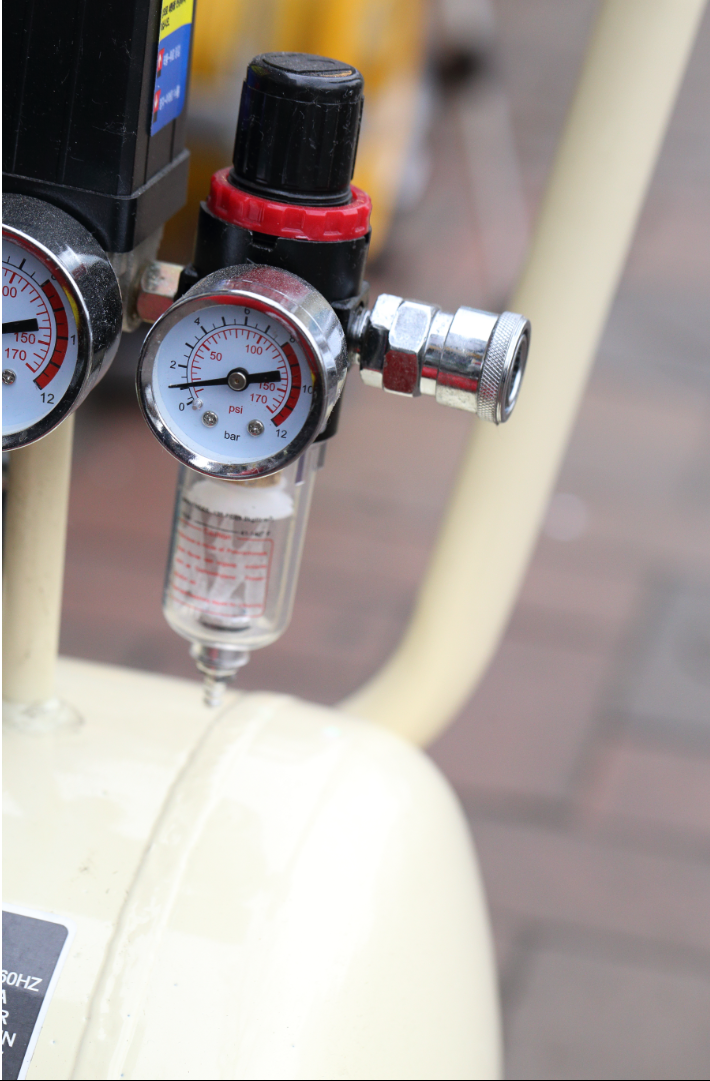 Original air-quality troubleshooting graphic retained.
If You Are Seeing Water
- Check receiver and filter drains
- Check automatic drain operation
- Review dryer condition and sizing
- Consider ambient and compressed-air temperature
If You Are Seeing Oil
- Check whether the compressor is oil-lubricated
- Inspect service history and separator condition on screw compressors
- Review coalescing filtration
- Escalate unusual oil carryover for diagnosis
5. Power & Electrical Problems
Electrical faults can show up as nuisance trips, failure to start, motor overheating, unusual current draw, contactor faults or error codes on controlled compressors.
| Symptom | Useful Information to Record | Next Step |
|---|---|---|
| Compressor will not start | Fault code, pressure, supply status, recent work | Check normal operator controls; escalate if unresolved |
| Breaker or overload trips | When it trips and whether it happens under load | Stop repeated resetting and arrange electrical diagnosis |
| VSD alarm | Exact alarm code and operating conditions | Refer to the manufacturer manual / engineer |
| Motor smells hot or shows visible damage | What happened immediately beforehand | Isolate and do not continue running |
6. Compressor Runs Constantly
A compressor that rarely reaches its normal stop or unload condition may be responding to more demand than usual, an air leak, pressure loss, worn compressor components or an incorrect control setting.
- Check whether production demand has changed
- Check for major leaks
- Confirm normal cut-in/cut-out or load/unload pressure
- Check filters and dryers for pressure drop
- Review whether the machine is now undersized for the application
7. Compressor Starts & Stops Too Frequently
Short cycling can increase wear and may indicate insufficient receiver storage, a pressure-control problem, leakage, an incorrectly sized compressor or a very small demand window.
Prevent Problems Before They Become Breakdowns
The live article already links to the maintenance checklist, and that route is retained because regular maintenance is one of the strongest ways to reduce avoidable faults.
When to Stop Troubleshooting & Call an Engineer
- Electrical trips or control-panel faults keep returning
- The compressor repeatedly overheats
- There is knocking, grinding or severe vibration
- Oil leakage is significant or unexplained
- Pressure cannot be restored through normal operator checks
- A safety device appears damaged or has operated unexpectedly
- The receiver or pressure system shows damage, heavy corrosion or leakage
Air Compressor Troubleshooting FAQs
Why has my air compressor lost pressure?
Common causes include air leaks, blocked filters, worn compressor components, restrictive downstream equipment or increased demand. First establish whether the pressure loss occurs at the compressor or further downstream.
Why is my compressor overheating?
Poor ventilation, dirty coolers, fan problems, lubrication issues and internal faults can all increase temperature. Repeated high-temperature trips should be investigated rather than repeatedly reset.
Why is there water in my compressed air?
Water condenses naturally as compressed air cools. Check drains, receiver management, dryers, filters and the required pressure dew point for the application.
Should I adjust the pressure switch myself?
Only if the manufacturer specifically provides an operator adjustment procedure and you understand the permitted settings. Do not alter safety or pressure-control equipment outside its intended range.
When is a compressor fault an emergency?
Stop the machine where continued operation could be unsafe or cause further damage. For urgent compressor breakdown assistance, contact Compressed Air Systems UK on 0121 753 3330.
Compressed Air Systems UK
The original Compressed Air Systems UK and Contact Us routes remain in place.
Offices, Trade Counter & Warehouse
Compressed Air Systems UK
Unit 15, Fortnum Close
Birmingham, B33 0LG
For routine compressor servicing and troubleshooting, use the Contact Us page or call 0121 753 3330.
Compressor Fault You Cannot Resolve Safely?
Send us the make, model, fault code, pressure and symptoms and we can help identify the right next step.