
Air Compressor Accessories & Upgrades for UK DIY Enthusiasts
The right hose, fittings, filter, regulator, drain or air tool can make a compressor setup much more useful. The important part is choosing accessories that match the compressor's pressure, airflow, thread type and intended duty.
Are Air Compressor Accessories Interchangeable?
Sometimes — but not automatically. Many compressor accessories use common BSP or other standard thread sizes, yet pressure rating, bore size, coupling profile, flow capacity and thread type still need to match the system.
An accessory can physically screw into a compressor and still be the wrong choice if it restricts airflow or is not rated for the operating pressure.
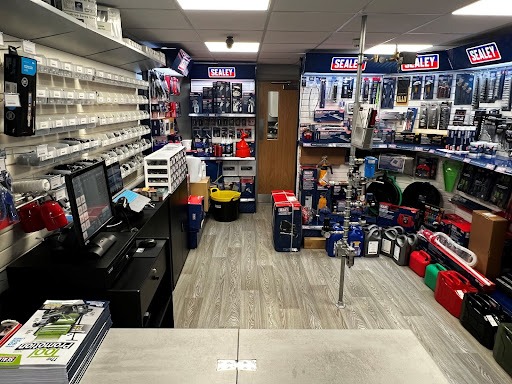 Original accessories image retained from the live article.
Essential Accessories for DIY & Workshop Use
 Real Tanair-hosted compressor photography from the current product range.
Air Hose & Fittings: Avoid Creating a Restriction
A long or undersized hose can reduce pressure at the tool, especially with high-demand equipment such as impact wrenches, sanders and spray guns. Fittings can create the same problem if their internal bore is too small for the required airflow.
- Choose hose bore based on airflow and length
- Use compatible coupling profiles throughout the setup
- Keep unnecessary adaptors to a minimum
- Replace cracked, damaged or leaking hoses
- Use fittings rated for the system pressure
Filters, Regulators & Lubricators
Air treatment should match the tool and process. Some applications simply need moisture removal and pressure control, while others require finer filtration or dry compressed air.
Filter / Water Trap
Helps remove particles and condensed moisture before air reaches the tool.
Regulator
Controls downstream pressure. This is particularly useful where the compressor receiver operates at a higher pressure than the tool requires.
Lubricator
Introduces a controlled oil mist for pneumatic equipment that specifically requires line lubrication.
Filter Regulator
Combines filtration and pressure regulation into one unit for a more compact setup.
 Real Tanair-hosted workshop compressor photography.
Automatic Drains: A Useful Maintenance Upgrade
Receivers and filters collect condensate as compressed air cools. An automatic drain can reduce the risk of water building up because somebody forgot to open a manual drain.
 Real Tanair-hosted wall-mounted compressor photography.
What About Adding a Bigger Receiver?
Extra storage can help with short bursts of demand and can reduce cycling in a suitable system, but adding another receiver does not increase the compressor's actual CFM output.
If the compressor simply cannot produce enough airflow for the tool, adding more receiver capacity will only delay the pressure drop rather than solve the underlying sizing problem.
Pressure Switches: Replacement, Not Guesswork
The original article described pressure-switch upgrades as a way to gain greater control. In practice, the pressure switch is part of the compressor's operating and safety-control arrangement and must match the machine.
- Match voltage, current rating and switching arrangement
- Match cut-in and cut-out pressure range
- Do not exceed the compressor or receiver maximum pressure
- Use a compatible unloader arrangement where required
- Have electrical work carried out by a competent person
Hose Reels & Better Workshop Organisation
A hose reel is one of the simplest upgrades for a fixed garage or workshop compressor. It keeps hose off the floor, makes the working length easier to manage and can reduce tangles and trip hazards.
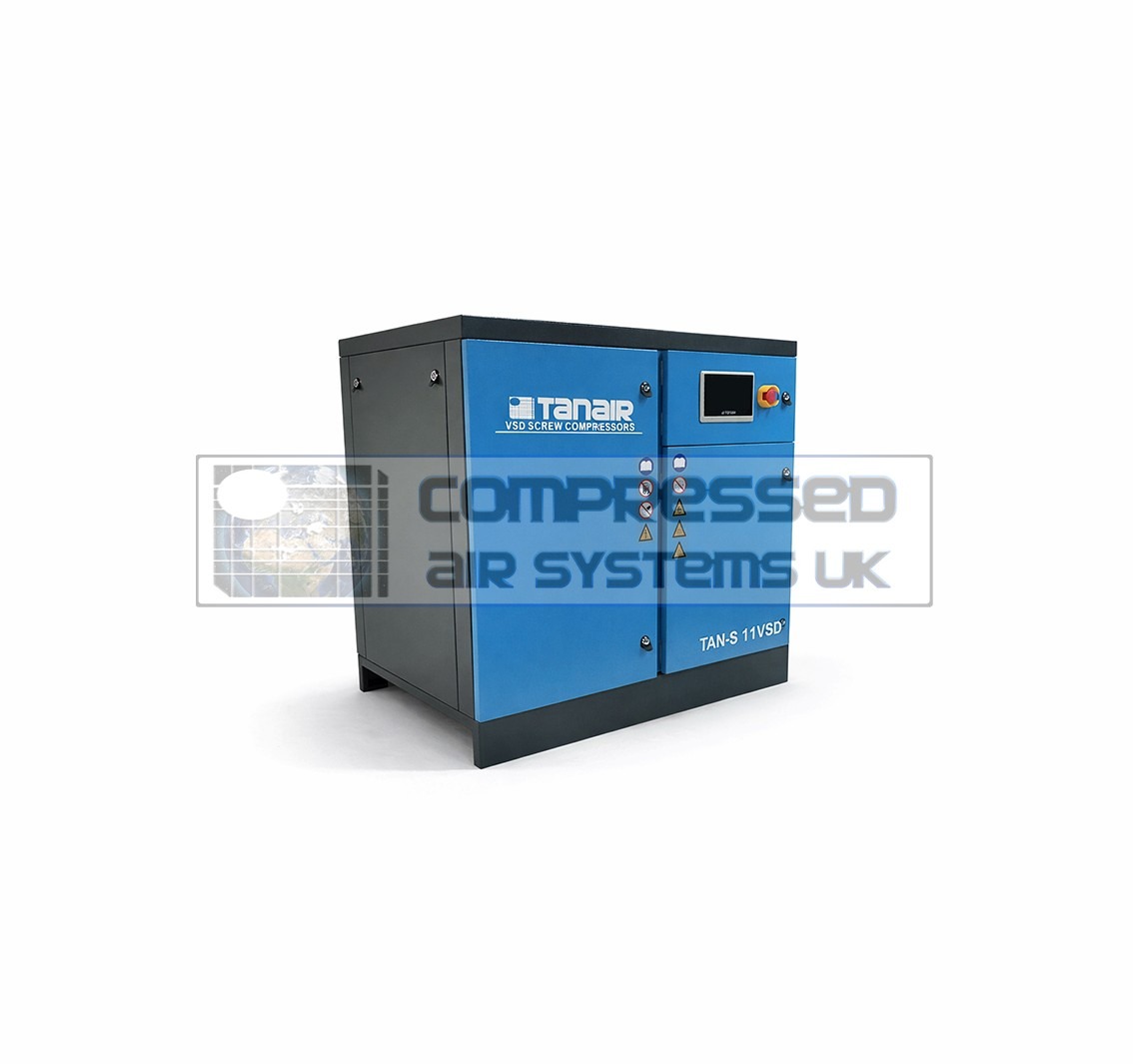 Real Tanair-hosted industrial compressor photography.
Make sure the reel hose bore and fittings are large enough for your tools; a neat hose system that restricts flow is still a poor setup.
Mobility & Sound Reduction
Some compressor models are designed from the outset with wheels, handles or acoustic enclosures. Retrofitting mobility or soundproofing to a machine that was not designed for it needs more care.
Mobility
Do not drill or weld into a pressure receiver to attach wheels or handles. If mobility is important, use an approved frame or choose a portable compressor designed for movement.
Noise Reduction
Never box a compressor into an enclosure that blocks cooling airflow. Purpose-built silenced compressors are usually a safer solution where noise is a major priority.
Service Kits, Oils & Maintenance Parts
The original article correctly links upgrades with maintenance. Good accessories cannot compensate for a compressor running with worn belts, dirty filters or the wrong lubricant.
For a full maintenance routine, the existing related Air Compressor Maintenance Checklist remains the best next read.
Are “Smart” or Remote-Control Upgrades Worth It?
The original article mentioned remote control and automation. Those features can be useful on modern industrial compressor systems, but they are generally machine-specific rather than universal DIY accessories.
Best Upgrade by Problem
Air Compressor Accessories FAQs
Are all quick-release fittings compatible?
No. Different coupling profiles can look similar but may not connect properly or may restrict airflow. Keep the same compatible profile throughout the hose system wherever practical.
What size air hose should I use?
It depends on airflow, hose length and tool demand. Higher-CFM tools and longer runs generally need a larger internal hose bore to control pressure drop.
Will a bigger receiver make my compressor more powerful?
No. It increases stored-air capacity but does not increase the compressor pump's CFM output.
Can I fit a different pressure switch?
Only if it is electrically and mechanically compatible and has the correct pressure range and unloader arrangement. Do not increase the compressor's approved maximum pressure.
Should I fit an airline lubricator?
Only where the pneumatic equipment requires it. Do not use a lubricated airline for paint spraying, breathing air or other processes requiring oil-free downstream air.
Is an automatic drain worth fitting?
It can be very useful where condensate is produced regularly, provided the drain is correctly selected and installed for the receiver or filter.
Compressed Air Systems UK
The original Compressed Air Systems UK and Contact Us routes remain in place. The updated article uses real Tanair product and workplace photography alongside the improved accessory guidance.
Offices, Trade Counter & Warehouse
Compressed Air Systems UK
Unit 15, Fortnum Close
Birmingham, B33 0LG
Call 0121 753 3330 or use the Contact Us page if you need help matching fittings, hose, regulators or other compressor accessories.
Build a Better Compressor Setup
Choose accessories around your compressor's CFM, pressure, thread type and intended use — not simply by what physically fits.