
Air Compressor Maintenance Checklist for Longevity in the UK
A well-maintained compressor is more likely to deliver reliable pressure, stable airflow and efficient operation. This checklist covers the practical inspections and service items that help prevent avoidable breakdowns — without replacing the manufacturer's own maintenance schedule.
What Maintenance Does an Air Compressor Need?
The exact schedule depends on the compressor design, operating hours, environment and manufacturer. A small portable piston compressor and an industrial rotary screw compressor do not have identical maintenance requirements.
However, the fundamentals are consistent: keep the machine clean, maintain lubrication where applicable, keep filters clear, inspect wear components, remove condensate correctly and investigate changes in pressure, temperature, noise or vibration.
 Original maintenance graphic retained from the live article.
1. Regular Inspection & Cleaning
Look Around the Compressor
- Check for visible oil, air or condensate leaks
- Inspect hoses and accessible connections for damage
- Look for loose guards, fixings or panels
- Check for unusual vibration or changed operating noise
Keep Cooling Air Moving
- Remove dust and debris from the surrounding area
- Keep ventilation openings unobstructed
- Clean accessible coolers as specified by the manufacturer
- Do not allow hot discharge air to recirculate into the compressor intake
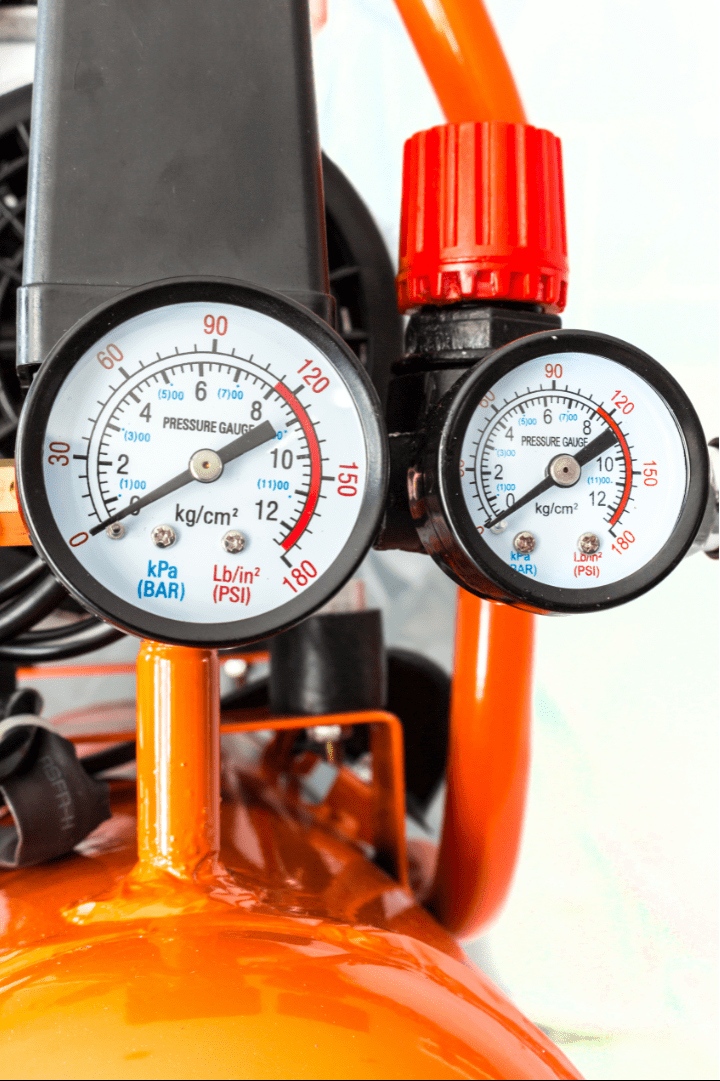 Original inspection and cleaning graphic retained.
2. Lubrication & Oil Changes
Lubricated compressors rely on the correct lubricant to reduce wear, manage heat and protect internal components. The oil type and change interval should come from the compressor manufacturer's specification.
- Check oil level using the correct procedure for the machine
- Look for oil that is unusually dark, contaminated or emulsified
- Use the specified compressor lubricant rather than a generic substitute
- Record service hours and oil-change dates
- Investigate unexplained oil loss rather than continually topping up
3. Air Filter Maintenance
A restricted intake filter reduces airflow into the compressor and can make the machine work harder to produce the required output. Filter condition is particularly important in dusty workshops and industrial environments.
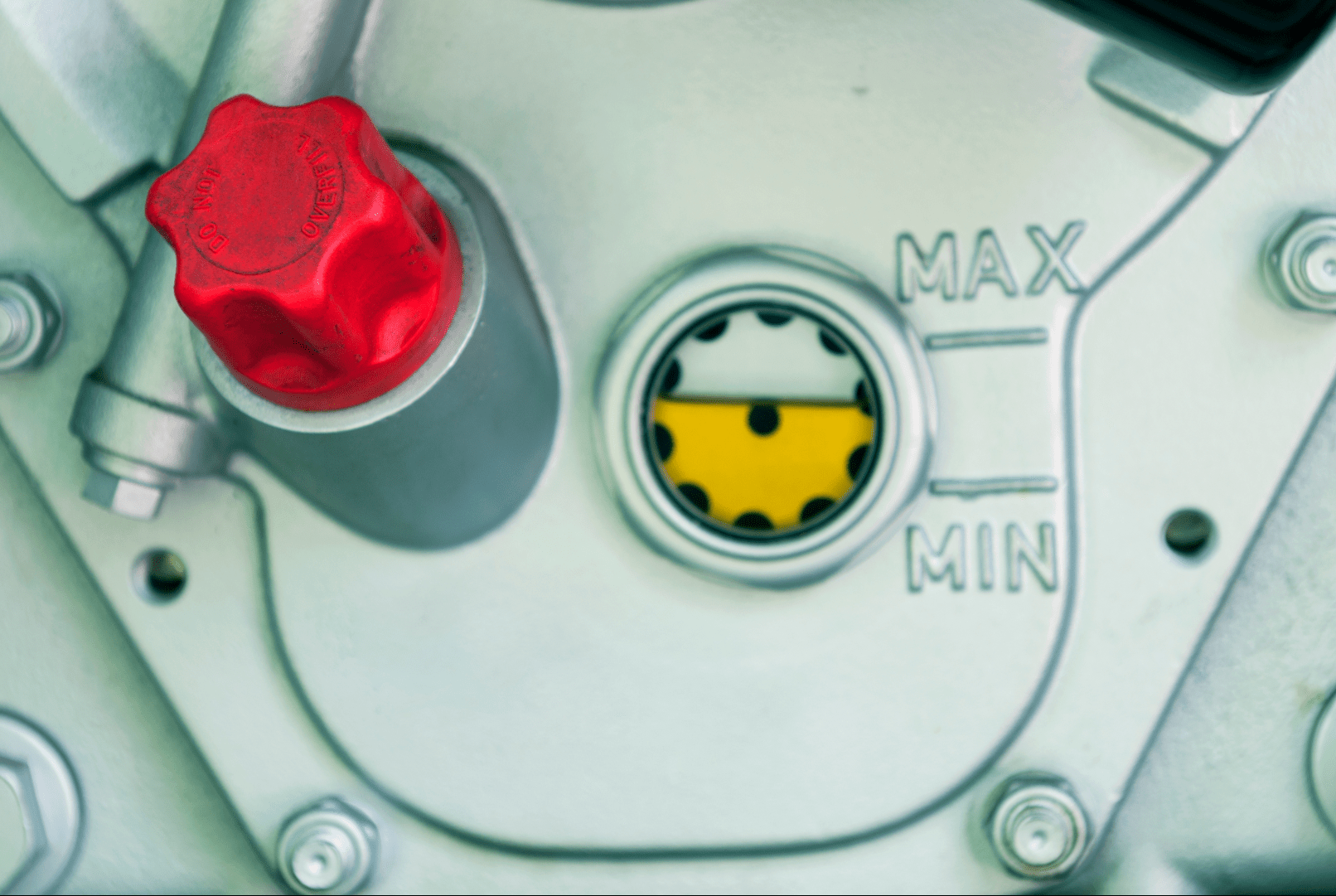 Original air-filter maintenance graphic retained.
- Inspect the intake filter at the recommended interval
- Replace rather than over-clean disposable elements
- Check downstream filters for pressure drop and service condition
- Use the correct element for the filter housing
4. Belts, Hoses & Connections
Belt-driven compressors need appropriate belt condition and tension. Hoses and flexible connections should also be checked for abrasion, cracking, leakage and mechanical damage.
- Inspect belts for cracking, glazing, fraying or obvious damage
- Check tension and alignment using the manufacturer's procedure
- Replace belts as matched sets where the design requires it
- Inspect hoses for leaks, kinks and rubbing points
- Check couplings and connectors for air loss
The original article also links this maintenance subject to the wider Importance of Compressor Repairs guide, so that route is retained.
5. Pressure Controls & Safety Devices
Pressure switches, controllers and safety devices are important parts of the compressor's protection system. They should not be casually adjusted to obtain more pressure or bypass nuisance faults.
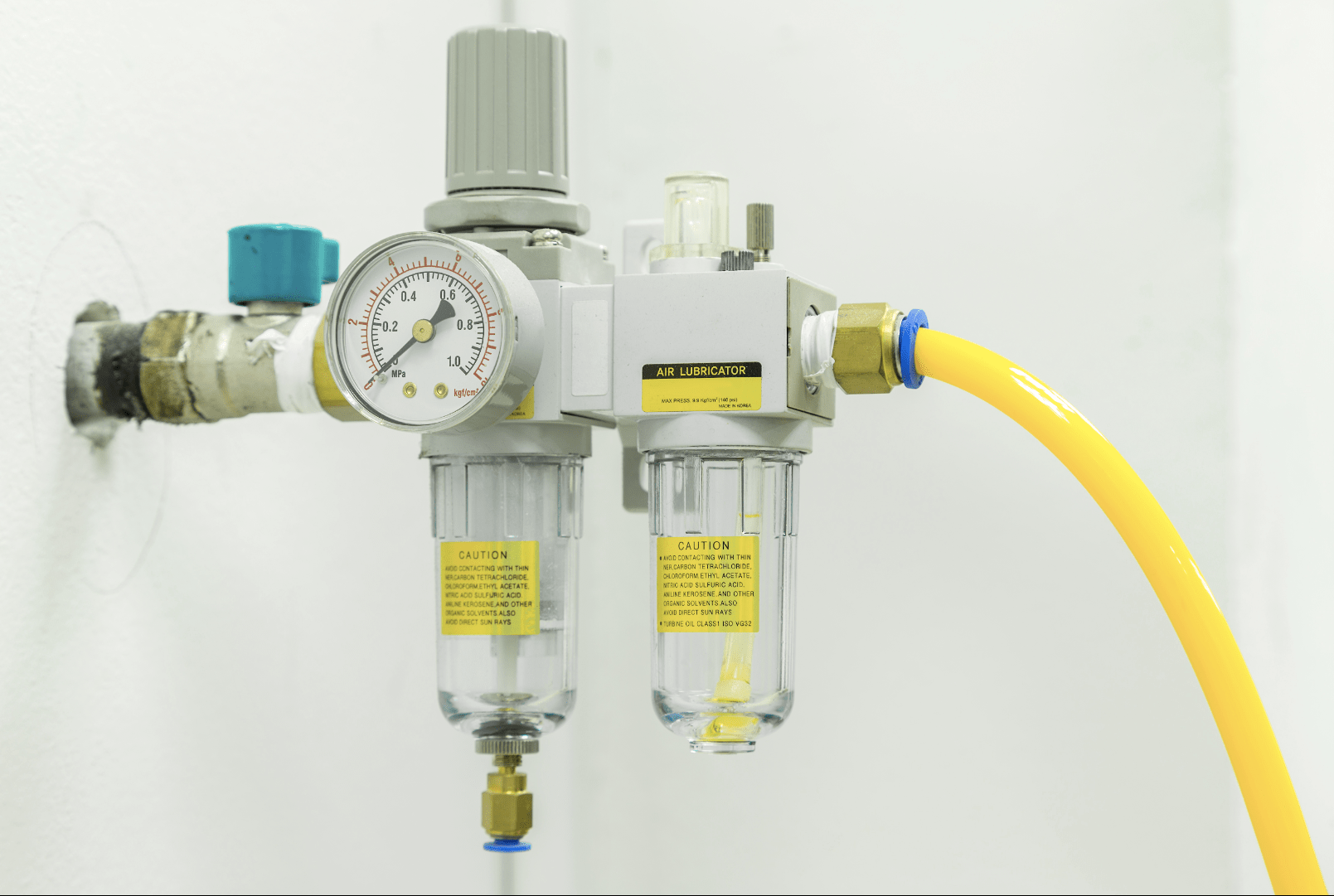 Original pressure-control and safety-device graphic retained.
6. Condensate Drain Maintenance
Compressing air naturally produces condensate as moisture cools out of the air stream. Receivers, filters and dryers therefore need reliable drainage.
- Check manual or automatic drains are operating correctly
- Investigate blocked, continuously leaking or failed drains
- Drain receivers according to the system and manufacturer procedure
- Dispose of oil-contaminated condensate appropriately
- Review condensate treatment where required
7. Air Receiver / Tank Condition
The air receiver stores compressed air and is a pressure vessel. External corrosion, damage, leakage or other deterioration should not be treated as a cosmetic issue.
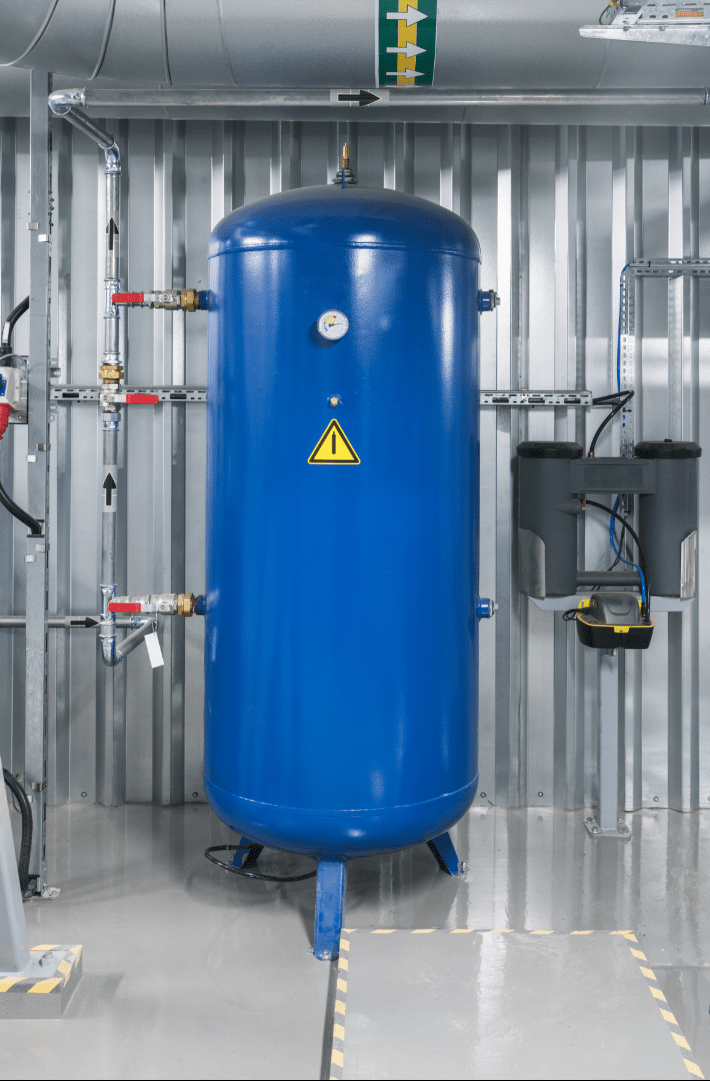 Original compressor receiver maintenance graphic retained.
- Inspect accessible external surfaces for corrosion, damage or leakage
- Keep condensate drainage functioning correctly
- Do not weld, drill or modify a receiver without appropriate engineering control
- Follow applicable pressure-system inspection requirements
- Escalate significant corrosion or damage for competent assessment
8. Watch the Compressor While It Runs
One of the easiest maintenance habits is simply knowing what normal operation looks and sounds like. Trends often reveal problems before complete failure.
A Practical Maintenance Schedule
The exact interval must come from the manufacturer, but this framework helps organise routine checks.
| Frequency | Typical Checks |
|---|---|
| Routine / before use | Leaks, oil level where applicable, unusual noise, pressure, drains and obvious damage |
| Regular inspection | Filters, belts, hoses, coolers, ventilation and receiver condition |
| Operating-hour service | Oil, filters, separators and other service items specified for the model |
| Periodic system review | Leakage, pressure drop, air treatment, receiver condition and system efficiency |
Useful Maintenance & Support Guides
The original article already linked into related Tanair advice pages. Those useful internal routes have been kept and expanded rather than removed.
When Maintenance Becomes a Repair
Stop routine operation and arrange diagnosis when there is repeated overheating, severe vibration, electrical tripping, significant oil loss, a persistent inability to build pressure, damaged safety equipment or suspected pressure-vessel damage.
Air Compressor Maintenance FAQs
How often should I service my air compressor?
Use the manufacturer's operating-hour and calendar schedule for the specific compressor. Duty, environment and compressor type can all change the required interval.
Can I use any compressor oil?
No. Use the lubricant specification approved for the compressor model. The wrong lubricant can affect cooling, sealing and component life.
How often should I drain the air receiver?
Drain frequency depends on condensate production and the drainage system. Automatic drains should also be checked because a failed drain can either retain water or leak compressed air continuously.
Can I adjust the pressure switch myself?
Only where the manufacturer specifically permits an operator adjustment and the correct limits are known. Do not increase pressure beyond the compressor or receiver rating.
Why does compressor maintenance improve efficiency?
Clean filters, correct lubrication, effective cooling and leak-free components reduce restrictions and help the compressor operate closer to its intended performance.
When should I call an engineer?
Escalate repeated trips, overheating, electrical faults, significant leaks, severe vibration, pressure-vessel concerns or faults that require guards, controls or pressurised components to be opened.
Compressed Air Systems UK
The original Compressed Air Systems UK and Contact Us routes are retained.
Offices, Trade Counter & Warehouse
Compressed Air Systems UK
Unit 15, Fortnum Close
Birmingham, B33 0LG
For routine servicing, maintenance parts and compressor advice, use the Contact Us page or call 0121 753 3330.
Keep Your Compressor Reliable for Longer
Follow the machine's service schedule, deal with small faults early and use the correct service parts, lubricants and air-treatment equipment.