
Existing Article Product
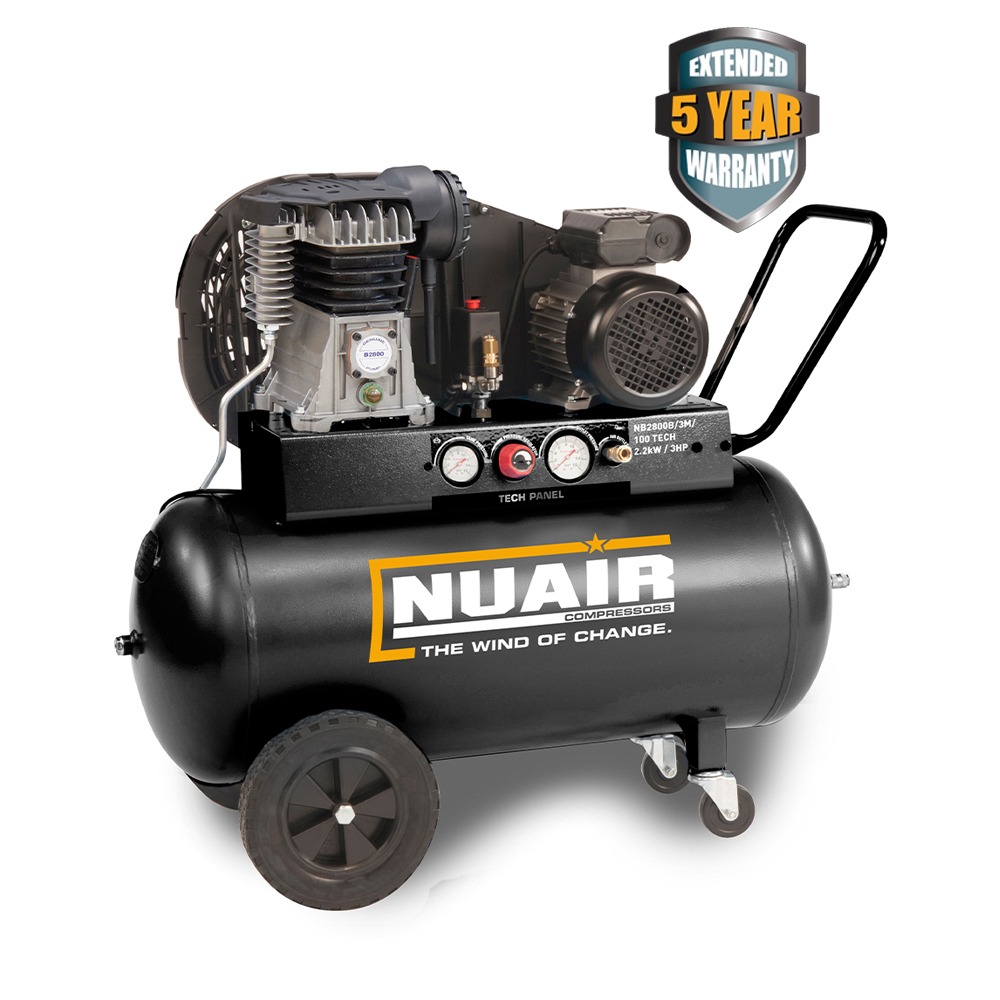
Nuair AIRSIL1 B2800B/3CT-100
11.6 CFM • 10 bar • 400V • Low Noise
View ProductCompressed air can power packaging, conveying, filling, automation and process equipment across food and beverage production. The right system depends not only on CFM and pressure, but also on how close the compressed air comes to the product and what air-quality class the process actually requires.
Compressed air is widely used because it is clean at the point of actuation, easy to distribute and well suited to repetitive automation. Typical uses include pneumatic cylinders, packaging lines, filling equipment, valve actuation, conveying and cleaning processes where compressed air is permitted.
The critical distinction is whether the air is used only as a power source or whether it can contact food, ingredients, packaging surfaces or other sensitive product areas.
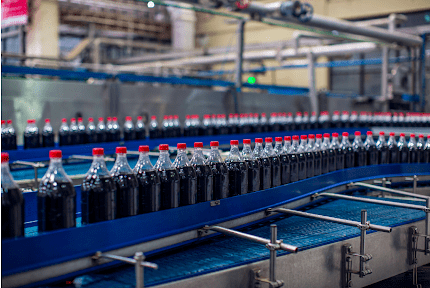
ISO 8573-1 is commonly used to specify compressed-air purity classes for particles, water and oil. It provides a framework for defining the required air quality, but it does not mean every food and beverage application automatically requires Class 0 oil.
For high-risk direct-contact applications, oil-free compression may be appropriate. In other areas, an oil-lubricated compressor with correctly designed treatment may be suitable. The correct decision should come from the process risk assessment and required purity class.
Well suited to continuous industrial duty and larger air demand. Fixed-speed or variable-speed versions can be selected depending on the demand profile.
Compact and durable for suitable continuous-duty applications. Rotary vane technology is not inherently oil-free; the specific compressor design determines whether oil enters the compression process.
Useful for smaller or intermittent demand, maintenance workshops and localised utility-air applications.
Designed so oil is not introduced into the compression chamber, reducing one contamination source where process risk justifies the additional specification.
The live article already includes eight piston compressor recommendations. All eight product routes and their existing article images are retained below.
11.6 CFM • 10 bar • 400V • Low Noise
View Product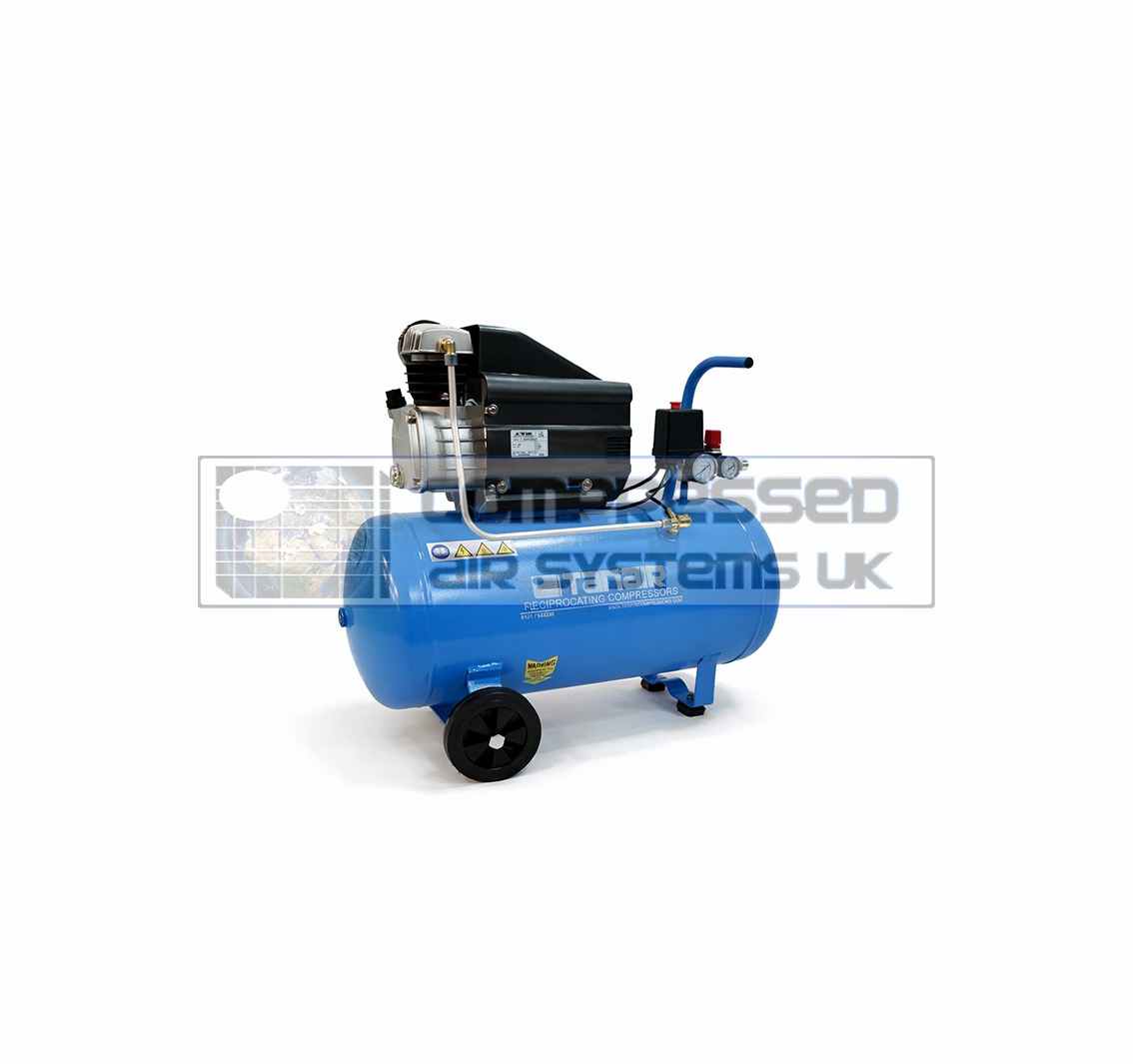

10 CFM • 10 bar • 230V • Low Noise
View Product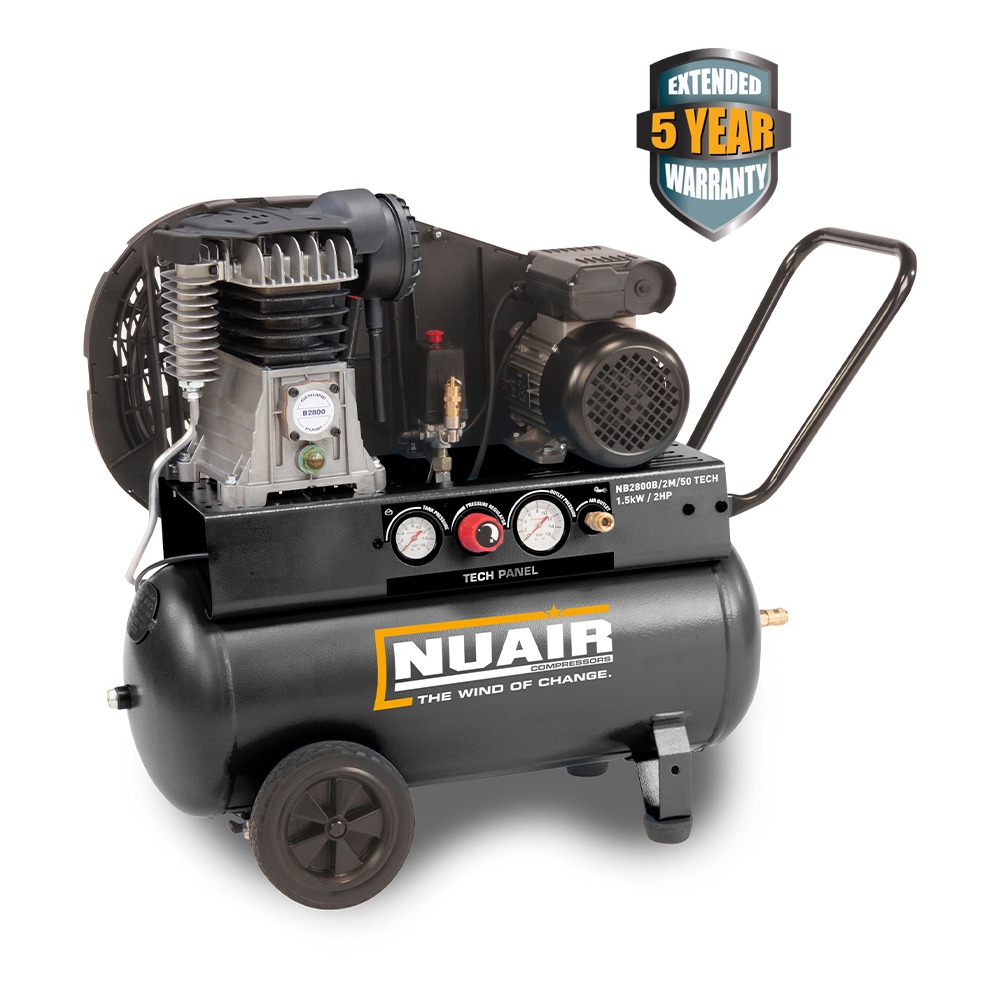

10 CFM • 10 bar • 400V • Low Noise
View Product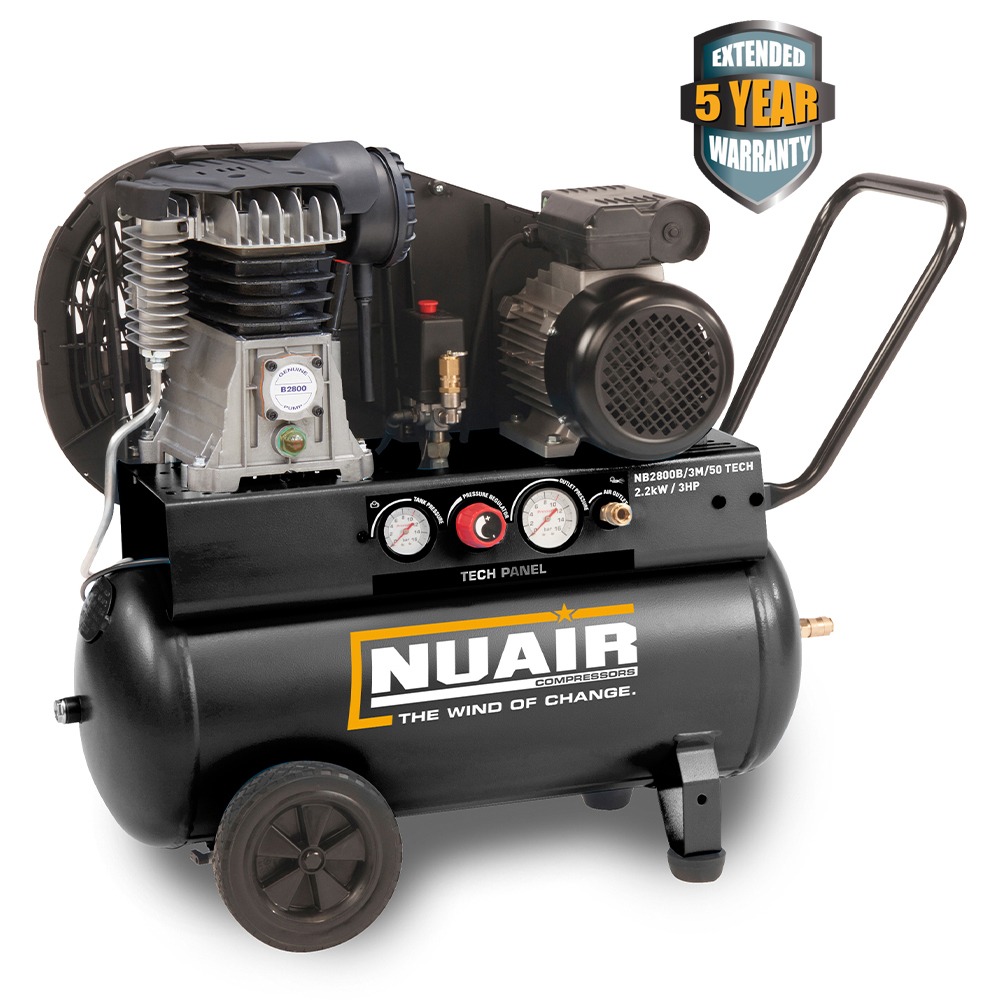

11.6 CFM • 10 bar • 230V • Low Noise
View ProductThe article also contains eight Power Systems NOBEL permanent-magnet / variable-speed models for higher industrial air demand. These existing product links and images are retained.


Choosing the compressor is only part of the system. Moisture, particles and oil aerosols can all affect compressed-air quality, so downstream treatment needs to be selected around the required purity class and pressure dew point.
Food and beverage plants often operate for long hours, so compressor control strategy, pressure settings, leakage and air treatment pressure drop can materially affect operating cost.
No. The required compressor and treatment depend on how the air is used and the purity class specified at the point of use. Direct-contact applications may justify oil-free compression, while non-contact utility air can have different requirements.
No. ISO 8573-1 defines compressed-air purity classes. The required class should be determined by the process, risk assessment and applicable customer or site standard.
Compression concentrates moisture, and water can condense as the air cools. Dryers help control pressure dew point and reduce downstream condensation.
Yes. Adsorption dryers are used where substantially lower pressure dew points are needed than a standard refrigerated dryer can provide. The required dew point should be specified for the process rather than choosing the lowest value by default.
Where air quality is critical, a documented monitoring or testing regime can help verify that the specified purity is being maintained at the relevant point of use.
For compressor selection, air treatment, servicing, air-quality testing or system efficiency support, use the Contact Us page or call 0121 753 3330.
Offices, Trade Counter & Warehouse
Compressed Air Systems UK
Unit 15, Fortnum Close
Birmingham, B33 0LG
Send us your airflow, pressure, hours of operation and required air-quality class and we can help narrow down the compressor and treatment arrangement.
Discuss Your Requirements