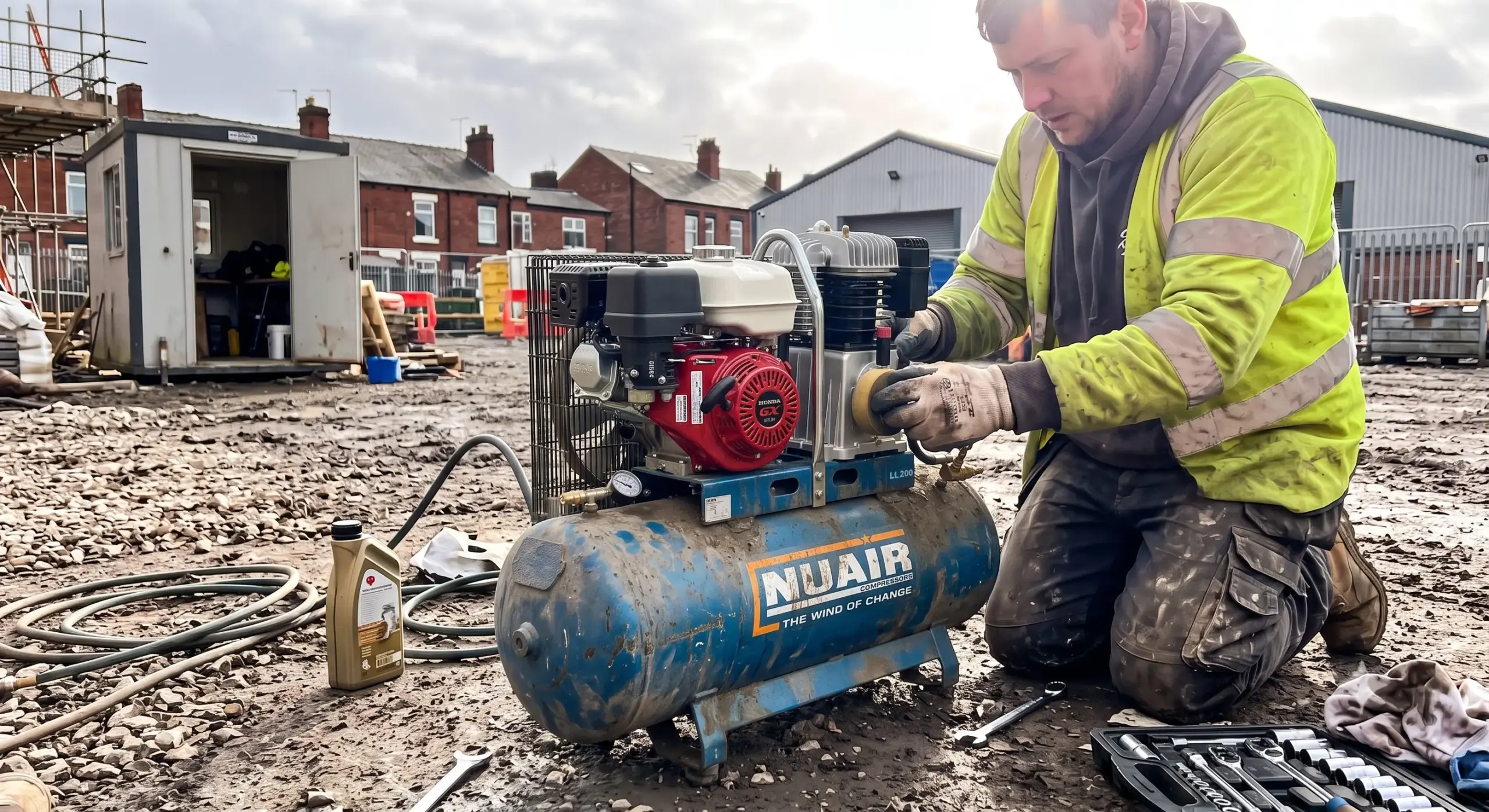
Is Your 2.2 kW Air Compressor Motor Struggling? It Might Be Your Start Capacitor!

The Ultimate Guide to Fixing a 2.2 kW Air Compressor That Won't Start: Focus on the Capacitor

Step-by-step troubleshooting for UK workshops — why single-phase 2.2 kW compressors hum but won’t turn, how to safely test & replace the start capacitor, and what to check next.

Industry Leaders Since 1992 UK Support & Advice Fast Delivery Price Match Promise

Key areas covered in this guide

From diagnosing capacitor failure to safe testing, replacement steps, and other common causes — everything UK users need to get a 2.2 kW compressor running again quickly.

Understanding the Problem

The 2.2 kW (≈3 HP) single-phase air compressor is a UK workshop staple — powerful enough for air tools, tyre inflation, and spray guns, yet running on standard 230 V supply. When it suddenly refuses to start, the most frequent cause in these units is a failed start capacitor.

Single-phase motors need a phase shift to generate starting torque. The start capacitor creates this shift temporarily. When it fails, the motor typically hums loudly but cannot overcome inertia — risking overheating and eventual burnout if attempts continue.

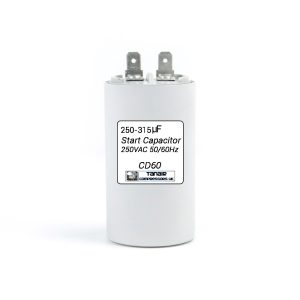
230–315 µF
Typical start capacitor range
330–450 V
Common voltage rating
80%
Startup failures due to capacitor issues
30 min
Typical replacement time
Quick tip

“Before assuming major motor failure, always check the capacitor first – it's one of the simplest, most common fixes for startup issues on 230 V single-phase units.”

Why focus on the capacitor?

Capacitors are wear items — heat, age, and frequent starts degrade the electrolyte inside. A £20–£50 part can save hundreds in motor repairs or replacements.

Common Symptoms of a Failing Start Capacitor

These signs strongly point to capacitor trouble rather than a dead motor or pump seizure.

Loud humming / buzzing Motor energises but doesn’t rotate — classic capacitor failure symptom.
Repeated clicking or stalling Motor tries to start, stalls, and tries again — overload protection may cycle.
Rapid overheating Excessive current draw without rotation heats windings quickly.
Starts after manual spin With power off, spin pulley by hand — if it then runs normally, capacitor is likely culprit.
Bulging / leaking capacitor Visible swelling, cracks, or oil residue — immediate replacement required.
Tripped breaker / blown fuse High inrush current without starting torque trips protection.
Important safety note

Stop repeated start attempts immediately — each failed try risks burning out the motor windings.

Safety First: Essential Precautions

Capacitors can hold a dangerous charge even when unplugged — follow these steps every time.

  • Disconnect from mains and lock out / tag out
  • Wait ≥10 minutes for residual charge to dissipate
  • Discharge capacitor safely: short terminals with insulated screwdriver (expect spark)
  • Wear insulated gloves and safety glasses
  • Fully depressurise tank via drain valve
  • Never test live unless you are a qualified electrician

How to Test the Start Capacitor

Two main methods — visual inspection first, then electrical testing.

1. Visual Inspection

  • Bulging or domed top
  • Cracks, leaks, or oily residue
  • Burn marks or discolouration
  • Corroded or loose terminals

Any of these = replace immediately.

2. Multimeter Test (Capacitance Mode – Preferred)

  1. Discharge capacitor fully (short terminals with insulated tool)
  2. Set multimeter to µF (capacitance) range
  3. Touch probes to terminals (polarity irrelevant for non-polarised start caps)
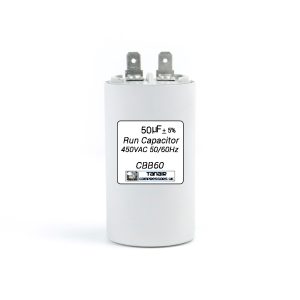
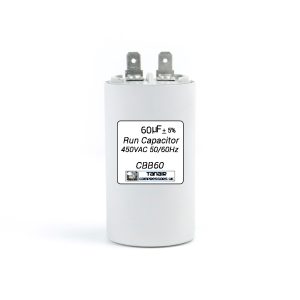
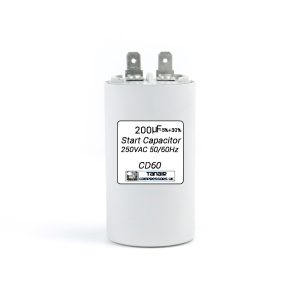
  4. Compare reading to value printed on capacitor (e.g. 250 µF ±5–10%)

Reading near zero, wildly high, or far outside tolerance → failed.

Pro tip

Even capacitors that show some reading can fail under load — if in doubt and symptoms match, replace it.

Replacing the Capacitor

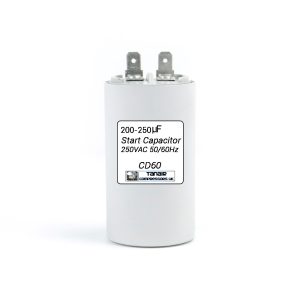
Most 2.2 kW single-phase compressors use start capacitors in the 200–400 µF range at 250–450 V.

Finding the Correct Replacement

  • Check motor nameplate or original capacitor label
  • Common specs: 230–315 µF / 330–450 V AC
  • Match µF rating (±10%), voltage (or higher), and physical size
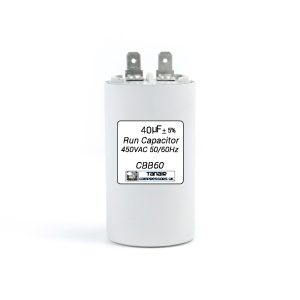
  • Note: some units have both start + run capacitors — confirm which one failed

Step-by-step Replacement

  1. Power off, lock out, discharge capacitor
  2. Photograph wiring connections
  3. Disconnect wires and remove old capacitor
  4. Install new one in same orientation
  5. Reconnect wires exactly as photographed
  6. Secure bracket, reassemble cover
  7. Test: plug in and attempt start — listen for smooth spin-up

Not sure which capacitor?

Send us your motor details or capacitor markings — we’ll match the exact replacement.

Other Common Reasons It Won’t Start

If the capacitor is good, check these in order:

Pressure switch fault Stuck open or misadjusted — no start signal sent.
Thermal overload tripped Reset button on motor — wait for full cool-down.
Low supply voltage Below 220 V strains starting — check with multimeter.
Seized pump / bearings Manually rotate pulley (power off) — should turn smoothly.
Centrifugal switch failure Prevents capacitor engagement/disconnection.
Unloader / check valve stuck Residual pressure stops motor starting.

Prevention & Maintenance Tips

Extend capacitor and motor life with these simple habits:

  • Inspect capacitor annually during service
  • Keep motor fins clean and well ventilated
  • Use correctly sized cable to avoid voltage drop
  • Drain tank daily to reduce internal corrosion
  • Schedule full service every 6–12 months
  • Avoid frequent short-cycle starts

Explore Related Spares & Support

Get your 2.2 kW compressor back online quickly with genuine-compatible parts.

Start Capacitors 230–400 µF range — matched to popular 2.2 kW models. View Capacitors →
Pressure Switches Adjustable & reliable replacements for common brands. View Switches →
Thermal Overload Protectors Direct-fit motor protection units. Enquire Overloads →
Full Service Kits Gaskets, valves, filters — keep your compressor healthy.

Frequently Asked Questions

Answers to the most common startup issues reported by UK 2.2 kW compressor owners.

What are the main signs of a bad start capacitor?

Loud humming without rotation, quick overheating, repeated clicking, breaker trips, or visible bulging/leaking on the capacitor itself.

Can I test a capacitor without a multimeter?

Visual inspection for swelling or leaks gives a strong clue, but accurate diagnosis requires a multimeter in capacitance mode. Guessing risks unnecessary replacements.

What size capacitor do I need for a 2.2 kW compressor?

Most single-phase 2.2 kW units use 230–315 µF start capacitors rated 330–450 V. Always verify the exact value on your motor nameplate or original part.

Is it safe to spin the pulley by hand to test?

Yes — but only with power completely disconnected. If the pump turns freely and the compressor then starts normally, the capacitor is usually the issue.

Why does it still hum after replacing the capacitor?

Possible remaining faults include a failed centrifugal switch, seized bearings/pump, low voltage supply, faulty run capacitor (if present), or stuck unloader valve.

Where can I buy a replacement capacitor in the UK?

Tan Air Compressors stocks high-quality, model-compatible start capacitors with fast delivery. Contact us or call 0121 753 3330 for help identifying the right part.

Still not starting?

Our engineers can guide you through further diagnosis or arrange a service visit — whatever it takes to get you running again.

Explore More of Our Articles

Scroll to Top