


Energy-Saving Compressors: Your Comprehensive Buying Guide
Help & Advice • Energy-Efficient Compressed Air Energy-Saving Compressors: Your Comprehensive Buying Guide Choosing an energy-saving compressor is about more than comparing CFM and headline
The right compressor should match the tools, pressure, operating hours and growth plans of the business — without paying for unnecessary capacity or buying a machine that cannot keep up with demand.
Small businesses can have very different compressed-air requirements. A mobile tyre fitter, joinery workshop, bodyshop and small manufacturer may all use compressed air, but the right compressor for each could be completely different.
For lighter intermittent duties, portable oil-free models can be useful where space, noise and standard single-phase power are important. Always compare the tool requirement with the compressor output before ordering.
Businesses using air continuously or across several tools may need a piston compressor with more output or an industrial screw compressor. Receiver size alone should not drive the decision.
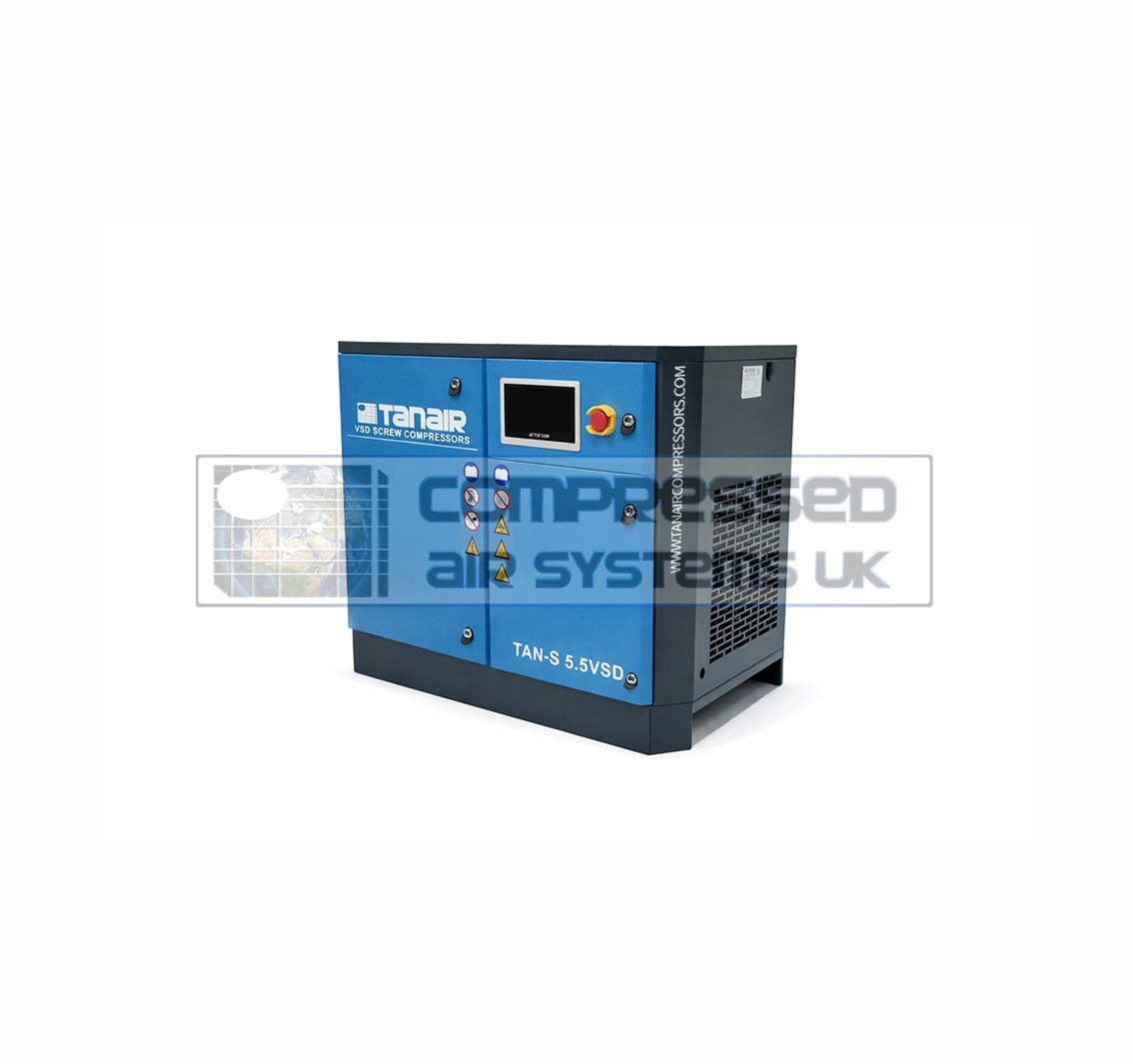
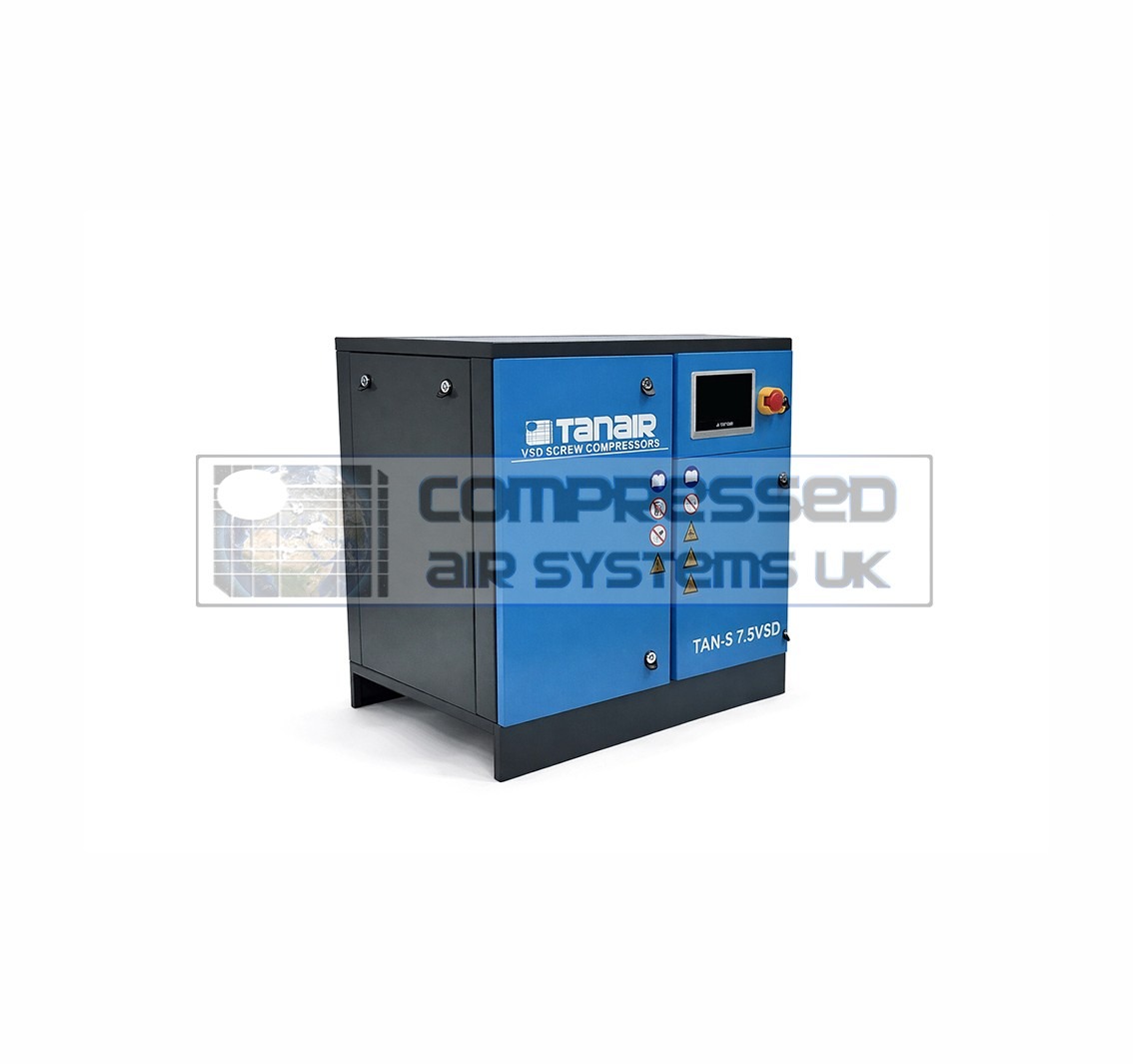
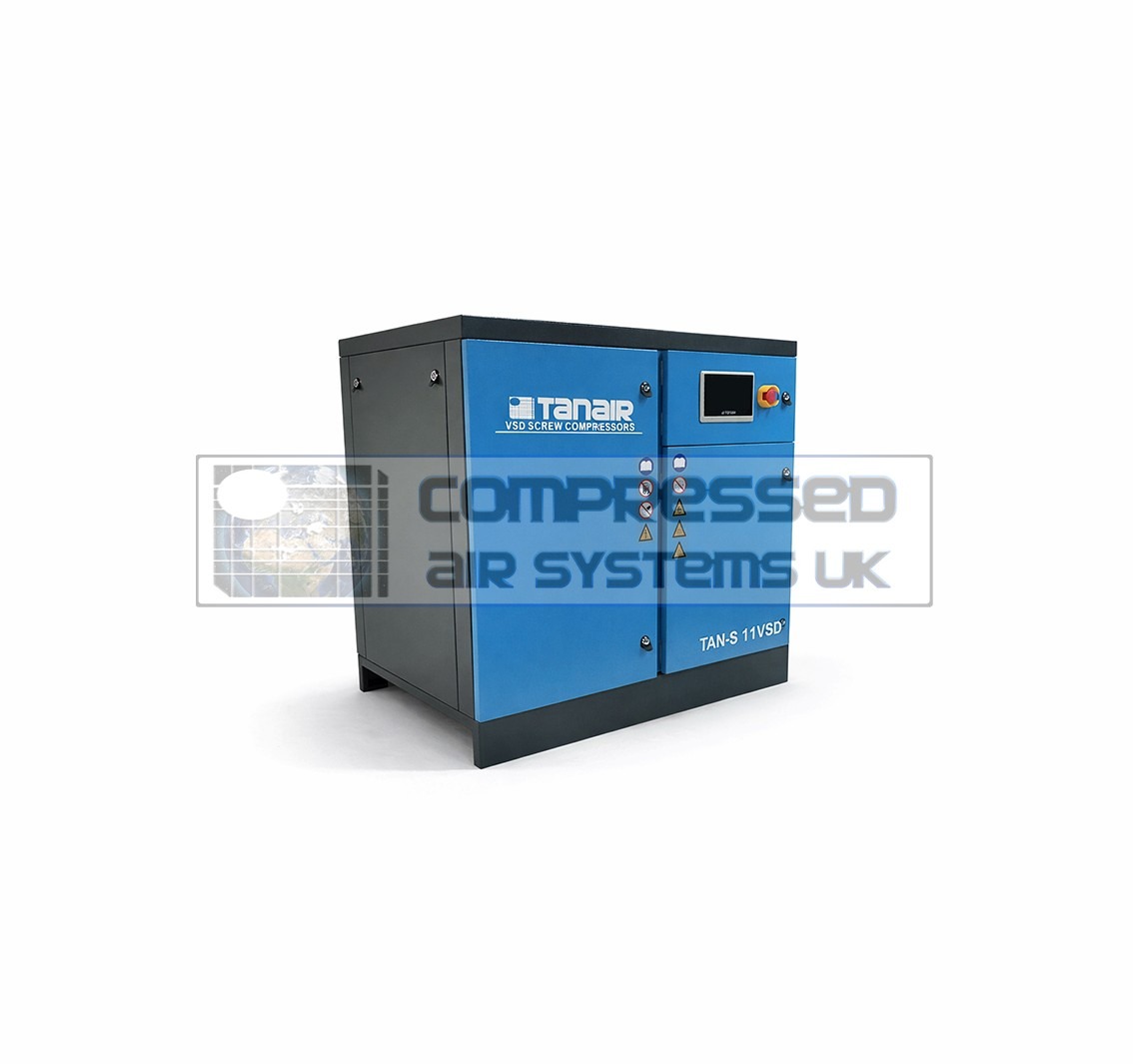
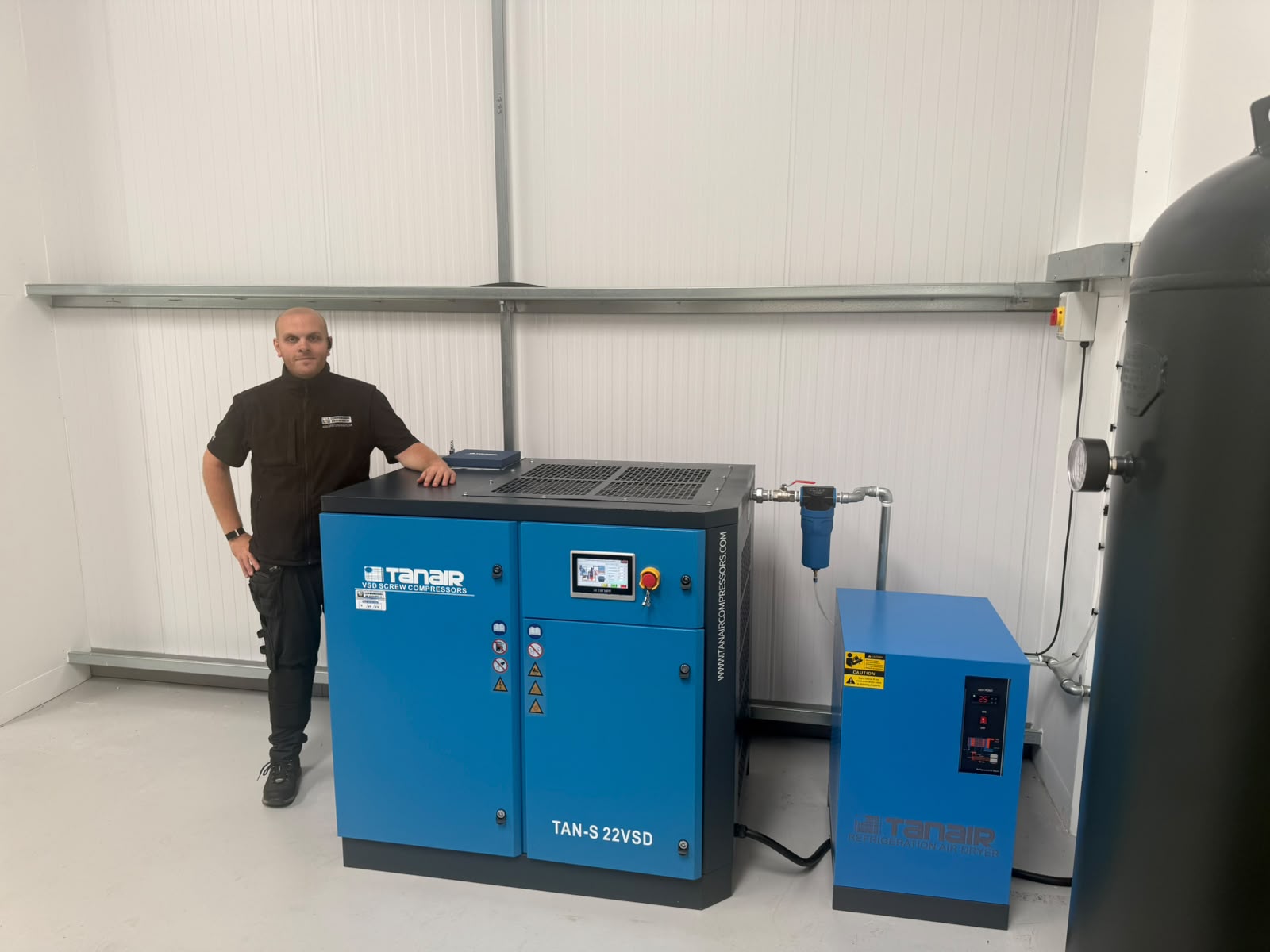
Where a small business has three-phase power and genuinely variable demand, a correctly sized VSD screw compressor may be suitable.
Engine-driven compressors are useful where mains electricity is unavailable or the compressor needs to move between locations. They should be used in appropriate outdoor or well-ventilated environments because combustion engines produce hazardous exhaust gases.
For fixed indoor workshop use, an electric compressor is usually the more straightforward option where a suitable electrical supply is available.
Oil-free compressors remove compressor lubricant from the compression chamber, but they do not automatically provide dry, particle-free air. Spray painting and other sensitive processes can still need suitable water separation, drying and filtration.
Buying a much larger compressor “just in case” can create poor part-load operation and unnecessary capital cost. A better approach is to plan the system so future expansion is practical.
Adding another compressor can increase available capacity, but it does not automatically create lower energy cost or full redundancy. Pressure settings, lead/lag controls, receiver capacity, air treatment and pipework must all be coordinated.
If standby capacity is important, confirm that the remaining compressor or compressors can still meet the critical load when one machine is unavailable.
There is no one annual service interval that applies to every compressor. Service frequency depends on compressor type, manufacturer, operating hours and environment.
Pressure equipment inspection requirements are separate from routine servicing. Where the Pressure Systems Safety Regulations apply, examination should follow the Written Scheme of Examination rather than a generic annual rule.
Outright purchase is not the only option for a growing business. Depending on the equipment and circumstances, standard finance, eligible 0% Interest ECO Lease arrangements or temporary hire may be worth comparing.
| Question | Why It Matters |
|---|---|
| What tools or processes use air? | Defines the required airflow and pressure. |
| Which can run together? | Determines realistic simultaneous demand. |
| How many hours per day? | Helps distinguish intermittent piston duty from more continuous industrial use. |
| 230V or 415V? | Immediately narrows the suitable compressor range. |
| How clean and dry must the air be? | Determines dryer and filtration requirements. |
| What growth is realistic? | Allows sensible infrastructure planning without excessive oversizing. |
It depends on the total realistic airflow demand, required pressure, duty cycle, operating hours and whether multiple tools or processes run together.
No. A larger receiver stores more air but does not increase the compressor's continuous CFM output.
For fixed indoor use with a suitable electrical supply, electric is usually the simplest option. Petrol and diesel compressors are useful where mobility or lack of mains power is the priority.
No. Painting can still require drying and filtration to control moisture and particles.
Yes, provided the pipework, electrical supply, controls, receiver and air treatment are designed to accommodate the expansion.
Follow the manufacturer's maintenance schedule and operating-hour requirements rather than assuming one universal annual interval.
Yes. Provide the tools, required CFM, pressure, operating hours, electrical supply and any future plans so the system can be sized properly.
Send us your tool list, required pressure, operating hours and available power supply. We can help narrow the options and avoid both undersizing and unnecessary oversizing.
Help & Advice • Energy-Efficient Compressed Air Energy-Saving Compressors: Your Comprehensive Buying Guide Choosing an energy-saving compressor is about more than comparing CFM and headline
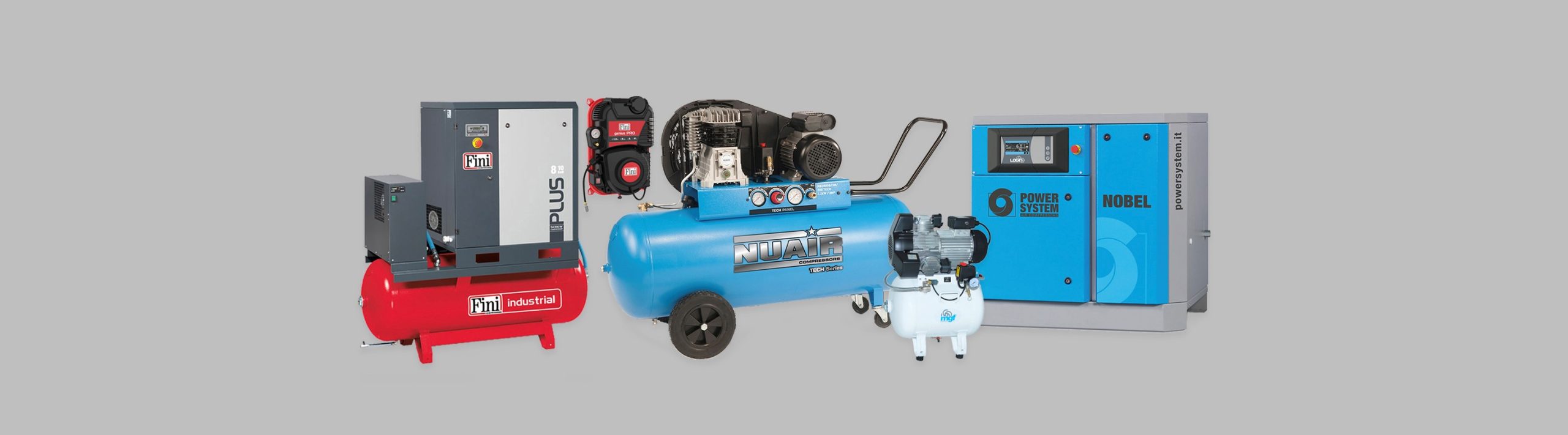
Help & Advice Choosing the Best Compressor: Rotary Screw & Vane Air Rotary screw and rotary vane compressors are both strong choices for regular industrial
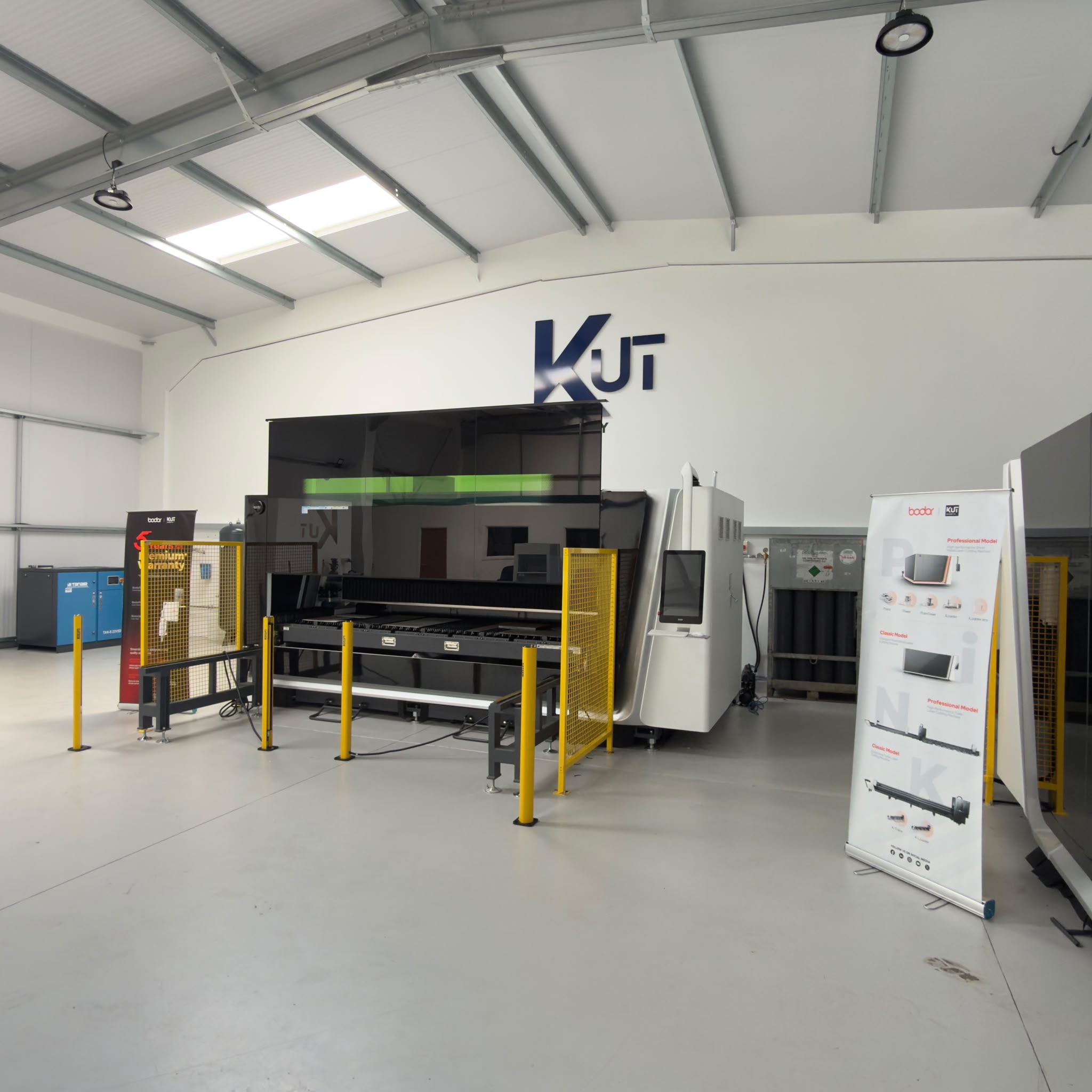
Compressed Air Storage for CNC & Manufacturing What Size Air Receiver Do I Need for a CNC Workshop? Receiver size should be selected around compressor

Help & Advice • Dental, Medical & Laboratory Air Dentist & Medical Air Compressors: The Heartbeat of Healthcare Dental surgeries, laboratories and specialist healthcare environments

Help & Advice • Preventive Compressor Maintenance Air Compressor Maintenance Checklist for Longevity in the UK A well-maintained compressor is more likely to deliver reliable

Air Hose Storage, Inspection & Workshop Safety How to Store and Handle Air Hoses Safely Good hose management helps reduce avoidable wear, damaged couplings and