
Motors, Petrol Engines & Electrical Spare Parts
Browse electric motors, Honda petrol engines, capacitors and overload switches for compatible compressors and industrial machinery, with UK technical support for replacement-part identification.

Capacitors
Start and run capacitors for compatible single-phase compressor motors.
View Capacitors
Electric Motors
Single-phase and three-phase motors for compatible compressor and machinery applications.
View Motors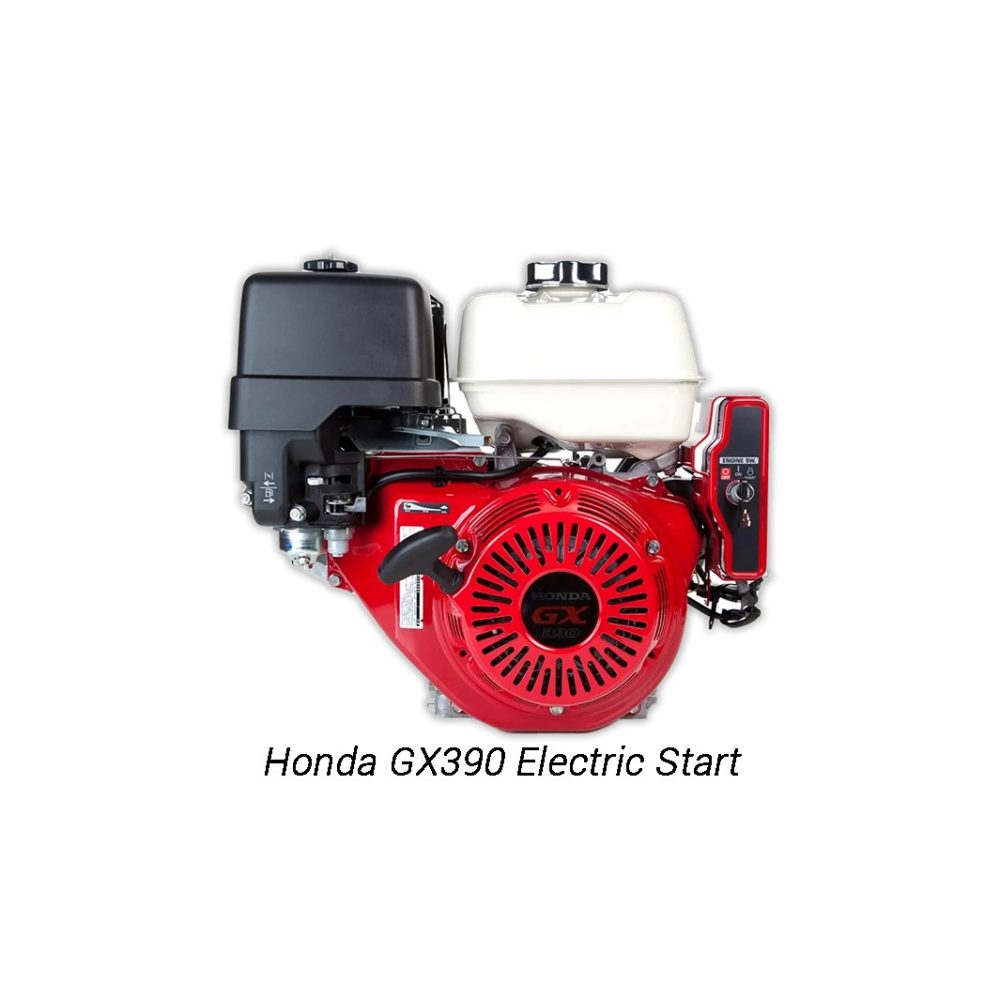
Petrol Engines
Honda GX petrol engines and compatible recoil starter service parts.
View Engines
Overload Switches
Motor-protection components for compatible compressor controls and electrical systems.
View OverloadsCompressor Motors, Engines & Electrical Spares
Electric motors, petrol engines and electrical control components are critical to reliable compressor operation. Replacement parts should be selected from the full electrical and mechanical specification rather than by appearance or power rating alone.
Compressed Air Systems UK supplies electric motors, Honda petrol engines, capacitors, overload switches and compatible engine service parts for selected compressor, pump and industrial machinery applications.
Match the Full Specification
Components with similar power ratings or physical appearance may have different voltages, currents, speeds, frame sizes, shafts, mounting arrangements or control requirements. Check the original data plate and part reference wherever possible before ordering.
Before Ordering a Replacement Electric Motor
A replacement compressor motor needs to match both the electrical requirements and the mechanical arrangement of the original machine.
Single-Phase & Three-Phase Motors
Single-phase compressor motors are commonly used on smaller machines operating from a 230 V supply. Depending on the motor design, they may use a start capacitor, run capacitor or both.
Three-phase motors are commonly used on larger industrial compressors. A single-phase motor cannot normally be exchanged directly with a three-phase motor, or vice versa, without considering the electrical supply and control system.
Motor Speed & Pulley Ratio
Compressor pumps are designed to operate within a specified speed range. The motor speed and pulley arrangement determine pump speed, so changing either can affect airflow, temperature, current draw and component life.
Do not assume that a motor with the correct kW rating is suitable if its speed, frame, shaft or pulley arrangement differs from the original.
Choosing a Replacement Petrol Engine
Petrol engines used on compressors, generators, pumps and industrial machinery should be matched mechanically as well as by nominal power.
- Engine manufacturer and exact model code
- Rated power in HP or kW
- Recoil or electric-start arrangement
- Crankshaft diameter, usable length and keyway
- Shaft rotation and operating speed
- Base mounting-hole arrangement
- Pulley, coupling or clutch compatibility
- Overall dimensions and installation clearance
Do not select a petrol engine by horsepower alone. Engines with similar outputs can use different shafts, mounting patterns, controls and starting arrangements.
Petrol Engine Safety
Petrol engines produce dangerous exhaust gases, including carbon monoxide, and must not be operated indoors, in enclosed spaces or in poorly ventilated areas. Installation must also allow suitable cooling airflow, exhaust clearance, fuel handling and service access.
Capacitors, Overloads & Motor Protection
Start & Run Capacitors
Single-phase compressor motors may use a start capacitor, run capacitor or both depending on their design. Start and run capacitors perform different functions and are not interchangeable.
Match the original capacitor by:
- Capacitance value in microfarads
- Voltage rating
- Start or run duty
- Terminal arrangement
- Physical dimensions and mounting style
Overload Switches
An overload device is used to help protect a motor against sustained overcurrent and overheating. It should be matched to the motor full-load current and the compressor control arrangement.
Do Not Simply Increase the Overload Setting
Repeated overload trips usually indicate a fault or unsuitable operating condition. Increasing the overload setting without identifying the cause can reduce motor protection and may result in further damage.
Diagnose the Fault Before Replacing Electrical Parts
A compressor that will not start or repeatedly trips an overload does not necessarily have a failed motor. The cause should be investigated before replacement components are fitted.
Possible causes can include:
- Low or unstable supply voltage
- Incorrect electrical connection
- A failed start or run capacitor
- Incorrect overload setting
- Excessive compressor load
- Incorrect pulley ratio
- Failed unloading or non-return valve operation
- Tight bearings or mechanical seizure
- Poor cooling or ventilation
- Motor winding damage
Repeated breaker trips should not be addressed by simply fitting a larger protective device. Motor current, cable size, starting method, supply voltage and compressor condition should be checked first.
Information Needed to Identify the Correct Part
Providing accurate equipment information makes it much easier to identify a suitable replacement component.
- Compressor manufacturer, model and serial number
- Motor manufacturer and a clear photograph of the data plate
- Power, voltage, phase, current and motor speed
- Frame size and mounting arrangement
- Shaft diameter, length and keyway
- Existing capacitor or overload markings
- Petrol-engine model code, shaft dimensions and starting method
- A description of the fault or reason for replacement
Motor, Petrol Engine & Electrical Spare FAQs
Can I choose a replacement motor using only the kW rating?
No. The replacement must also match the voltage, phase, speed, frame size, mounting arrangement, shaft dimensions, duty and starting method.
How do I identify the correct compressor capacitor?
Check the original capacitor for its microfarad value, voltage rating, start or run duty, terminal arrangement and physical dimensions.
Are start capacitors and run capacitors interchangeable?
No. They are designed for different duties and operating periods. The correct type and specification must be fitted.
Why does my compressor overload keep tripping?
Possible causes include low voltage, excessive mechanical load, an incorrect overload setting, a failed capacitor, poor unloading or motor damage.
Can I fit a larger overload to stop it tripping?
Not without diagnosing the fault. Increasing the setting can leave the motor inadequately protected and may cause further damage.
Can I choose a petrol engine using only the HP rating?
No. The replacement must also match the shaft dimensions, keyway, rotation, mounting pattern, start type, speed and driven-equipment requirements.
Can a petrol engine be operated indoors?
No. Petrol engines produce dangerous exhaust gases and must only be operated in suitable well-ventilated outdoor conditions.
Can Compressed Air Systems UK assist with replacement motors and engines?
Yes. Compressed Air Systems UK can assist with motor replacement, petrol-engine matching, fault diagnosis, control repairs, servicing and breakdown support, subject to the equipment and site.