Compressor Lubricants & Oils
Lubricants for piston, rotary vane and rotary screw compressors, air tools and engine-driven equipment
Air Tool & Air Line Oil
Lubricants for compatible pneumatic tools and air line lubricators.
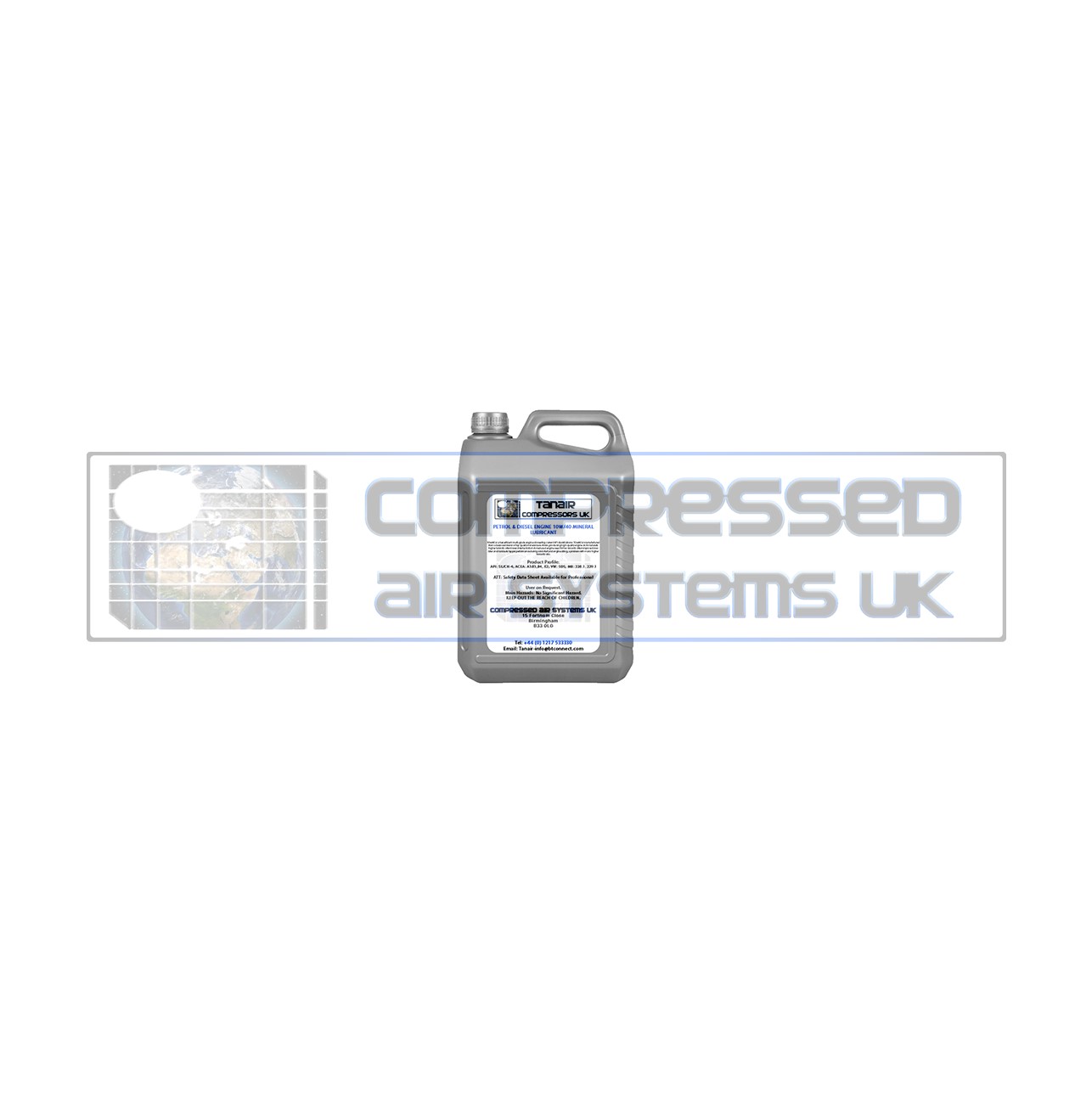
View Products →Petrol & Diesel Engine Oil
Engine lubricants for compatible industrial petrol and diesel equipment.
View Products →Piston Compressor Oil
Lubricants for compatible oil-lubricated piston compressors.
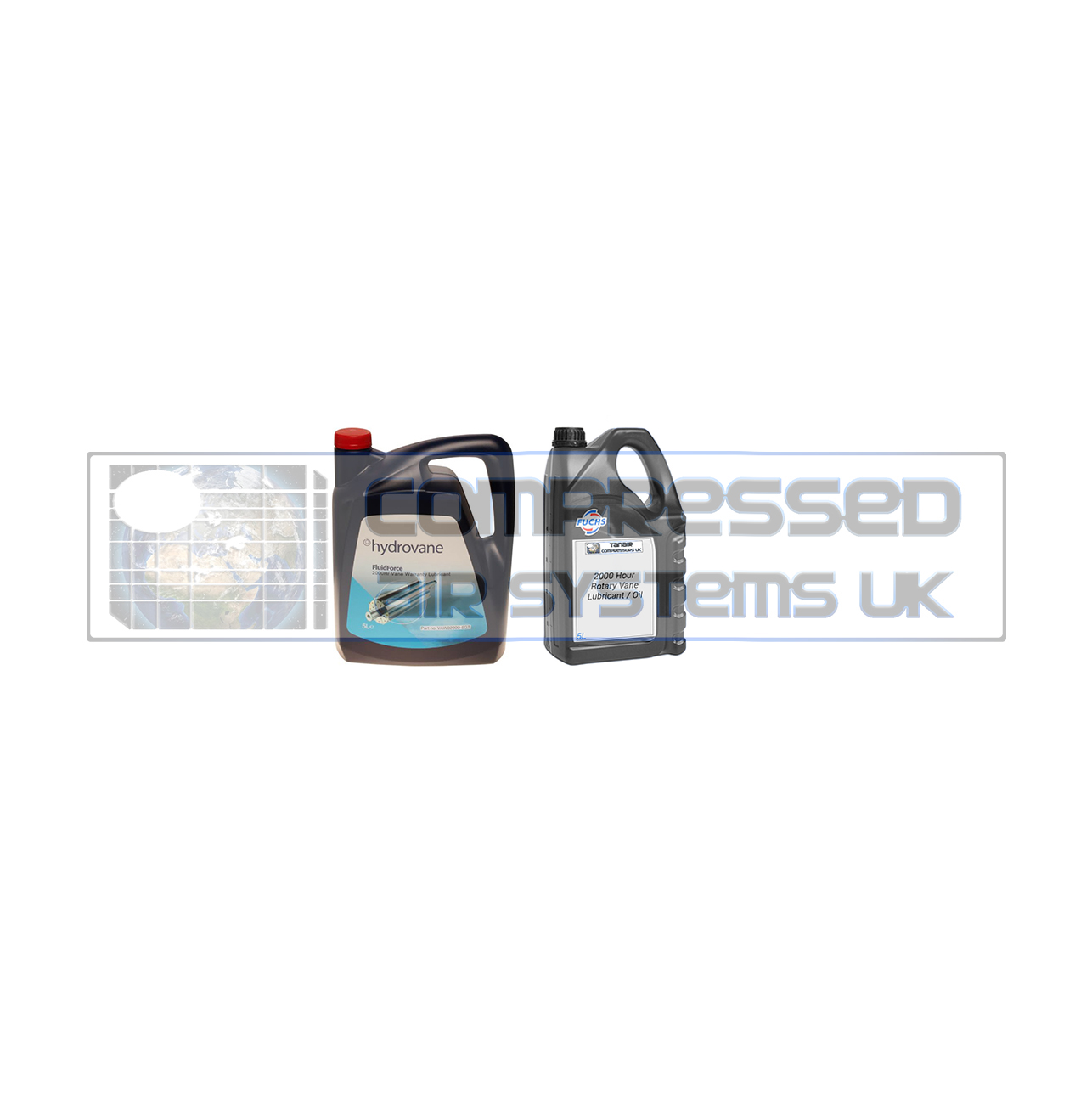
View Products →Rotary Vane Lubricant
Specialist lubricants for compatible rotary vane compressors.
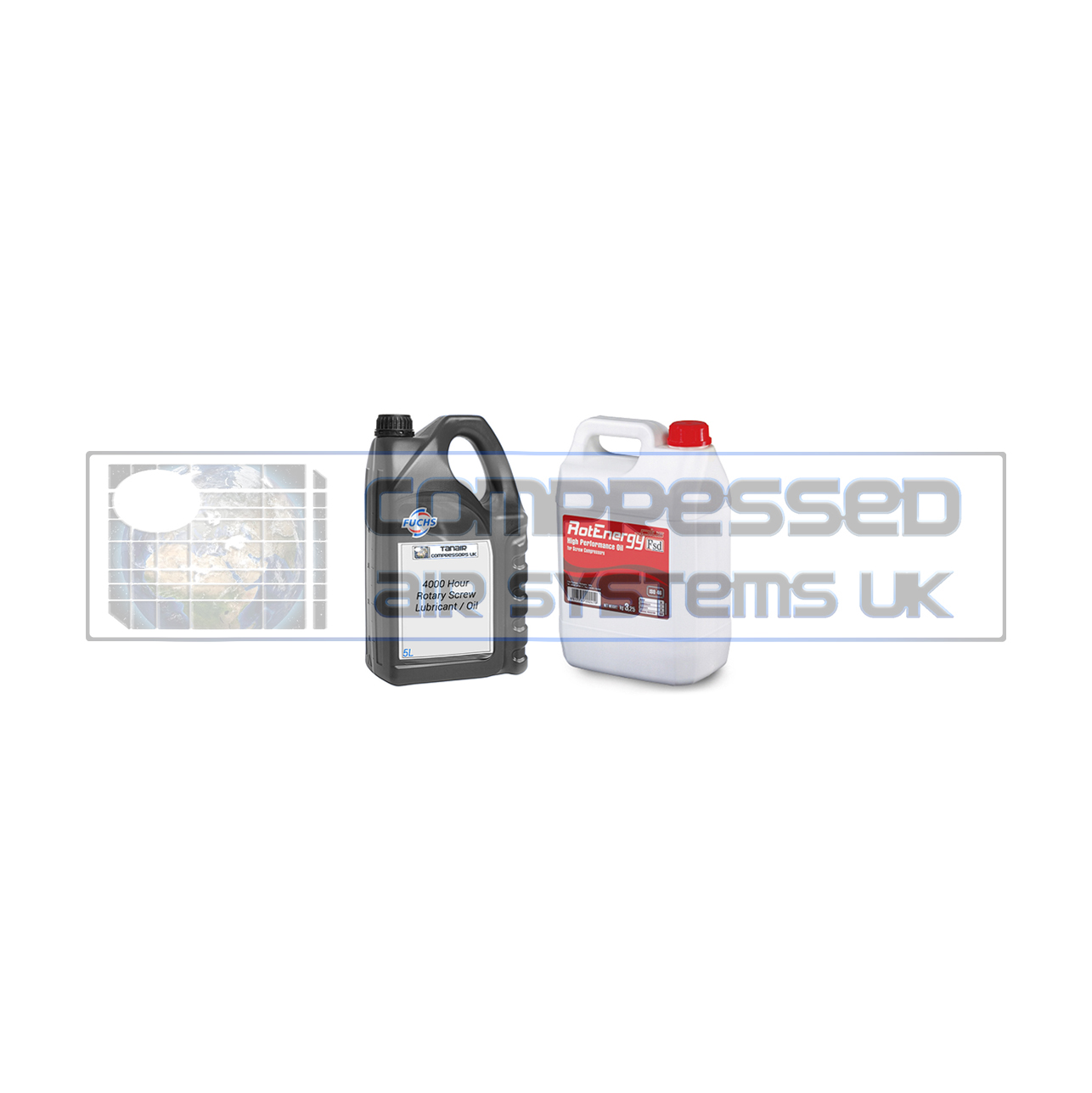
View Products →Rotary Screw Compressor Oil
Lubricants for compatible oil-injected rotary screw compressors.
View Products →Compressor Lubricants for Reliable Performance
Compressor lubricant does far more than reduce friction. In many machines it also helps remove heat, seal internal clearances, control contamination and protect critical components from wear and corrosion.
At Compressed Air Systems UK, we supply a range of compressor oils and lubricants for piston, rotary vane and rotary screw compressors, as well as pneumatic tools and compatible engine-driven equipment.
Lubricants should always be selected for the exact equipment, duty and service requirement. Compressor type alone is not enough to confirm compatibility.
Do Not Mix Compressor Oils Without Checking Compatibility
Different oils may use different base stocks and additive systems. Mixing incompatible lubricants can affect viscosity, foaming, separator performance, seals and service life. Where the existing oil is unknown, seek technical advice before topping up or changing lubricant type.
What Does Compressor Oil Do?
The precise role of the lubricant depends on the compressor design, but it may provide several important functions:
- Reducing friction between moving components
- Controlling wear on bearings, rotors, vanes, pistons and cylinders
- Removing heat from the compression process
- Helping seal internal clearances
- Suspending and carrying contamination toward the filter
- Protecting internal surfaces against corrosion
- Supporting reliable valve and separator operation
- Reducing deposits, varnish and sludge when correctly maintained
Using the wrong lubricant can interfere with one or more of these functions even if the compressor appears to run normally at first.
How to Choose the Correct Compressor Lubricant
The safest starting point is the compressor manufacturer's maintenance information and the specification of the lubricant already in use.
Before ordering, check:
- Compressor manufacturer and full model
- Serial number and year of manufacture
- Compressor type
- Existing lubricant name or part number
- Required viscosity grade
- Mineral, semi-synthetic or synthetic base oil
- Required service interval
- Operating temperature and duty cycle
- Whether food-grade approval is required
- Whether a system flush is needed before changing oil type
A product described generally as compressor oil may not be suitable for every piston, vane or screw compressor.
Viscosity and Lubricant Grade
Viscosity describes how readily an oil flows at a given temperature. A lubricant that is too thick may circulate poorly during starting, while an oil that is too thin may provide insufficient film strength or sealing.
Common industrial oils may be identified using ISO viscosity grades, but the correct grade must be confirmed for the particular compressor and operating conditions.
Viscosity should not be selected simply because another machine on site uses the same grade.
Mineral, Semi-Synthetic and Synthetic Oils
Compressor oils may use mineral, semi-synthetic or synthetic base stocks. Each may offer different oxidation resistance, temperature performance and expected service life.
A longer advertised service interval does not mean the oil can remain in every compressor for that full period. Actual life is influenced by:
- Compressor operating temperature
- Daily running hours
- Ambient temperature
- Humidity and condensate exposure
- Air intake contamination
- Cooling-system condition
- Oil carryover and separator condition
- Manufacturer servicing requirements
Piston Compressor Oil
Oil-lubricated piston compressors rely on suitable lubricant for the crankcase, bearings, connecting rods, cylinder surfaces and other moving parts.
Piston compressor oil should be selected for the pump design and the operating conditions. Automotive engine oil should not automatically be used as a substitute, as its detergent and additive system may not be suitable for the compressor.
When selecting piston compressor lubricant, consider:
- Single-stage or multi-stage pump design
- Oil-lubricated or oil-free construction
- Manufacturer specification
- Operating temperature
- Ambient conditions
- Drain and refill quantity
- Required service interval
Oil-free piston compressors should not be filled with lubricant unless the manufacturer specifically identifies a lubricated section or maintenance requirement.
Rotary Screw Compressor Oil
In an oil-injected rotary screw compressor, lubricant is circulated through the air end and performs several functions at the same time. It lubricates bearings and rotors, removes heat, helps seal internal clearances and carries contamination toward the oil filter.
The lubricant must also separate effectively from the compressed air inside the separator vessel. Incorrect oil can contribute to:
- Excessive foaming
- High oil carryover
- Blocked separator elements
- Varnish and deposit formation
- High operating temperature
- Seal damage
- Reduced bearing and air-end life
Rotary screw oils should be matched to the compressor model, expected interval and existing lubricant system.
Rotary Vane Compressor Lubricant
Rotary vane compressors use a different compression arrangement from rotary screw machines. The lubricant supports vane movement, cooling, sealing and internal protection.
Vane compressor oils should not be selected solely because they share a viscosity grade with a screw compressor lubricant. Additive compatibility and machine-specific requirements must also be considered.
Hydrovane and other rotary vane ranges may have different lubrication requirements according to model, age and service interval. The full machine details should be checked before ordering.
Air Tool and Air Line Lubricant
Air line oil is used in compatible pneumatic tools and lubricators that require a controlled oil mist. It should not be confused with compressor crankcase or air-end lubricant.
Not every air tool requires added oil. Some tools are permanently lubricated, and some production processes require the downstream compressed air to remain free from added oil.
Before installing an air line lubricator or adding tool oil, check the requirements of every connected tool and process.
Petrol and Diesel Engine Oil
Engine-driven compressors contain two separate systems: the compressor and the engine. Each may require a different lubricant.
Petrol and diesel engine oil should be selected using the engine manufacturer's specification, viscosity recommendation and operating conditions.
Important details include:
- Engine manufacturer and full model
- Petrol or diesel fuel type
- Required viscosity grade
- Required engine-oil performance specification
- Ambient operating temperature
- Oil capacity
- Filter replacement requirements
- Drain interval
Engine lubricant should not automatically be used in the compressor pump, and compressor oil should not be treated as engine oil.
Food-Grade Compressor Lubricants
Some food, beverage, pharmaceutical and packaging applications may require food-grade lubricant where incidental contact could occur.
A lubricant should only be described or treated as food-grade when it carries the relevant stated approval or registration. The application, compressor and wider air treatment system must also be assessed.
Food-grade oil does not by itself make the compressed air suitable for direct product contact.
Changing from One Oil Type to Another
Changing lubricant brand or base type may require more than draining and refilling the machine. Residual oil remains in hoses, coolers, filters, the air end and separator vessel.
Depending on the products involved, a change may require:
- Compatibility confirmation
- Complete draining while the oil is warm
- Replacement of the oil filter
- Replacement of the separator element
- System flushing
- A shortened first service interval
- Inspection for foaming, deposits or abnormal temperature
Never assume two synthetic oils are compatible simply because both are described as synthetic.
Topping Up Compressor Oil
Repeatedly topping up a compressor without investigating the reason for oil loss may hide an underlying fault.
Falling oil level can be associated with:
- External oil leaks
- High oil carryover
- Blocked or damaged separator components
- Incorrect oil level
- Drain or return-line faults
- Internal wear
- Incorrect lubricant or foaming
Oil should only be topped up with a confirmed compatible product and to the correct level stated for the machine.
Checking Compressor Oil Level
The correct oil-checking procedure differs between compressors. Some machines are checked when stopped and depressurised, while others have specific temperature or settling requirements.
Overfilling can be as harmful as underfilling and may contribute to carryover, foaming or poor separation. Always follow the machine-specific procedure.
Compressor Oil Service Intervals
Lubricant service intervals may be stated in operating hours, calendar time or both. The earliest limit should normally be followed.
Oil may need to be changed earlier where the compressor operates in:
- High ambient temperatures
- Poorly ventilated compressor rooms
- Dusty or contaminated environments
- Long continuous duty cycles
- High humidity
- Conditions that cause repeated overheating
Dark colour alone does not provide a complete assessment of oil condition. Where extended intervals are being considered, professional oil analysis may be appropriate.
Change the Filters at the Correct Interval
Oil condition cannot be considered separately from the rest of the lubrication system. A blocked oil filter can restrict flow, while a saturated separator may increase pressure drop and oil carryover.
Depending on the compressor and service interval, maintenance may also require:
- Oil filter replacement
- Air filter replacement
- Air and oil separator replacement
- Panel filter cleaning or replacement
- Oil return-line inspection
- Thermostatic valve checks
- Cooler cleaning
- Leak inspection
Operating Temperature and Oil Life
High operating temperature accelerates lubricant oxidation and can lead to deposits, varnish and shortened oil life.
High temperature may be caused by:
- Blocked coolers
- Poor ventilation
- Incorrect oil level
- Restricted oil filters
- Thermostatic valve faults
- Incorrect lubricant
- High ambient temperature
- Cooling fan or airflow problems
Replacing the oil without correcting the cause of overheating may result in repeated lubricant failure.
Storage and Handling
Lubricants should be stored in sealed, clearly labelled containers away from moisture, dust and extreme temperatures.
Good storage practice includes:
- Keeping containers closed until required
- Using clean pumps and pouring equipment
- Preventing water and dirt entering the container
- Keeping different oils clearly separated
- Recording the product and batch in use
- Using the oldest suitable stock first
- Following any stated shelf-life requirements
Funnels, transfer pumps and containers should not be shared between incompatible oils without thorough cleaning.
Disposal of Used Compressor Oil
Used compressor oil and contaminated filters must be handled responsibly. They should not be poured into drains, onto the ground or mixed with condensate for general disposal.
Site procedures should provide suitable containers and use an authorised waste route for used oil, filters and contaminated materials.
Brands and Compatible Lubricant Options
Our range may include lubricants suitable for selected machines from manufacturers such as ABAC, Atlas Copco, Boge, CompAir, Hydrovane, Ingersoll Rand, Nuair, Tanair and Worthington.
Brand association alone does not confirm that a lubricant is suitable for every compressor produced by that manufacturer. Model, serial number, existing oil and service requirement should still be checked.
Genuine and Compatible Compressor Oils
Depending on the product and application, the range may include genuine, manufacturer-approved or compatible lubricant options.
Where a product is described as compatible, this means it is offered as an alternative for specified applications. The individual product page and technical information should be checked before purchase.
Compressor warranty conditions should also be considered before using an alternative lubricant in equipment that remains under manufacturer warranty.
Information Needed to Identify the Correct Oil
When requesting lubricant advice, please provide:
- Compressor manufacturer
- Full model number
- Serial number
- Year of manufacture where available
- Compressor type
- Existing oil name or part number
- Required quantity
- Current running hours
- Previous service date
- Expected operating conditions
- Whether food-grade lubricant is required
A photograph of the compressor data plate, existing oil container or previous service record can be useful.
Professional Compressor Servicing
Compressed Air Systems UK provides planned compressor servicing, preventative maintenance, lubricant changes, repairs and breakdown support.
A professional service can assess the wider lubrication system rather than replacing the oil in isolation. Checks may include:
- Oil level and condition
- Air, oil and separator filters
- Operating temperature
- Cooling-system cleanliness
- Oil leaks and hose condition
- Oil carryover
- Thermostatic valve operation
- Oil return-line condition
- Running hours and next service interval
Need a Lubricant That Is Not Listed?
The online categories represent the main lubricant types available through the website. Additional pack sizes, specialist products or compatible oils may be available even where they are not displayed in the main category.
Contact our team with the machine details and the existing lubricant information. We can review the available options and advise what further information is required.
Compressor Lubricant FAQs
Can I use automotive engine oil in an air compressor?
Not unless the compressor manufacturer specifically approves it. Automotive engine oils may contain additives that are unsuitable for compressor pumps, air ends, separators or downstream air quality.
Can different compressor oils be mixed?
Different oils should not be mixed unless compatibility has been confirmed. Base oils and additive systems may react or perform poorly when combined. A flush and filter change may be required when changing lubricant type.
How do I identify the correct compressor oil?
Check the compressor manufacturer, full model, serial number, existing oil or part number, viscosity grade and required service interval. A previous service sheet or photograph of the oil container may also help.
How often should compressor oil be changed?
The interval depends on the machine, lubricant, running hours, calendar time and operating conditions. The compressor manufacturer's stated interval should be followed, with earlier changes where conditions are severe.
Does synthetic compressor oil always last longer?
Synthetic oil may offer improved oxidation resistance and longer potential life, but the actual interval still depends on compressor temperature, contamination, duty and manufacturer requirements.
Is air tool oil the same as compressor oil?
No. Air tool oil is intended for compatible pneumatic tools and air line lubricators. It should not automatically be used in a compressor crankcase or rotary compressor air end.
Can Compressed Air Systems UK change the compressor oil?
Yes. Compressed Air Systems UK provides planned servicing, lubricant changes, filter replacement, repairs and breakdown support, subject to the equipment and site location.
Industries We Support
Support & Aftercare
Our Expert Services
24/7 EMERGENCY BREAKDOWN
Rapid response for all air compressor malfunctions, anytime you need us.
View ServiceINSTALLATIONS
Expert design and bespoke pipework installations tailored to your site.
View ServiceSERVICING
Comprehensive maintenance to keep your air systems running at peak performance.
View ServiceVISIT OUR TRADE COUNTER
Come meet our experts in person at our dedicated Birmingham trade hub.
Get DirectionsSHOP NOW
Browse our full range of air compressors, parts, and industrial tools online.
Go To ShopCONTACT US
Have a question? Reach out to our team today for expert advice and support.
Send Message