

Power Systems NOBEL
Power Systems NOBEL 9010 DV PM (LGN)
88–473 CFM • 10 Bar • Variable Speed
£44,416.00 ex VATSee live product page for current availability and VAT-inclusive price.
View ProductChoosing an energy-saving compressor is about more than comparing CFM and headline efficiency claims. Space, ventilation, air quality, duty cycle, control strategy, service access and lifetime running cost all influence the right decision.
The original article already covered several things buyers often overlook: footprint, ventilation, access for maintenance, air-quality requirements, service intervals, noise, heat recovery and control systems. Those points remain important and have all been retained here.

The existing article currently displays eight large Power Systems NOBEL permanent-magnet variable-speed compressors. None have been removed.
88–473 CFM • 10 Bar • Variable Speed

98–562 CFM • 8 Bar • Variable Speed

85–390 CFM • 13 Bar • Variable Speed

88–439 CFM • 10 Bar • Variable Speed

98–484 CFM • 8 Bar • Variable Speed

62–261 CFM • 13 Bar • Variable Speed

63–297 CFM • 10 Bar • Variable Speed

64–357 CFM • 8 Bar • Variable Speed
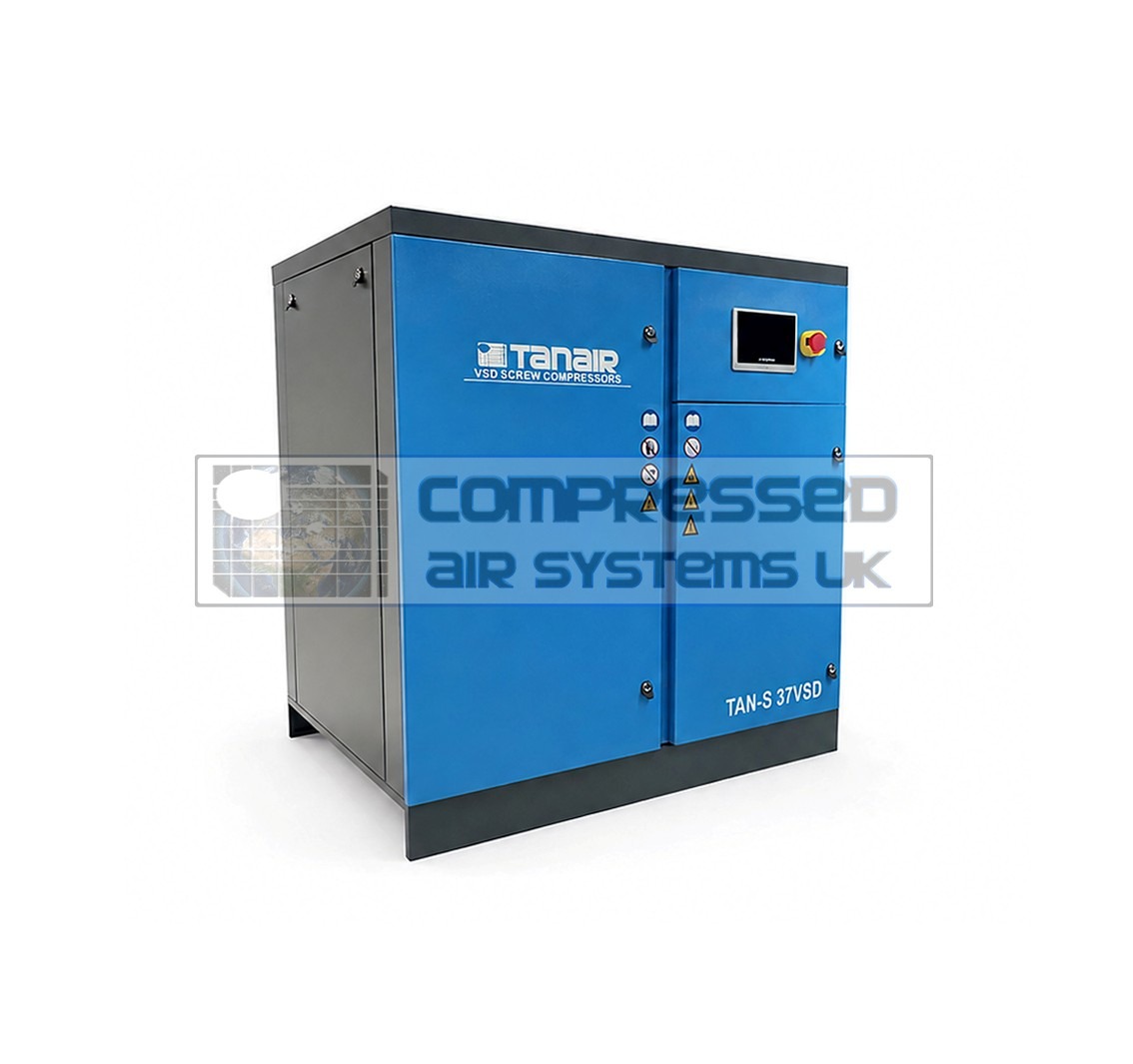
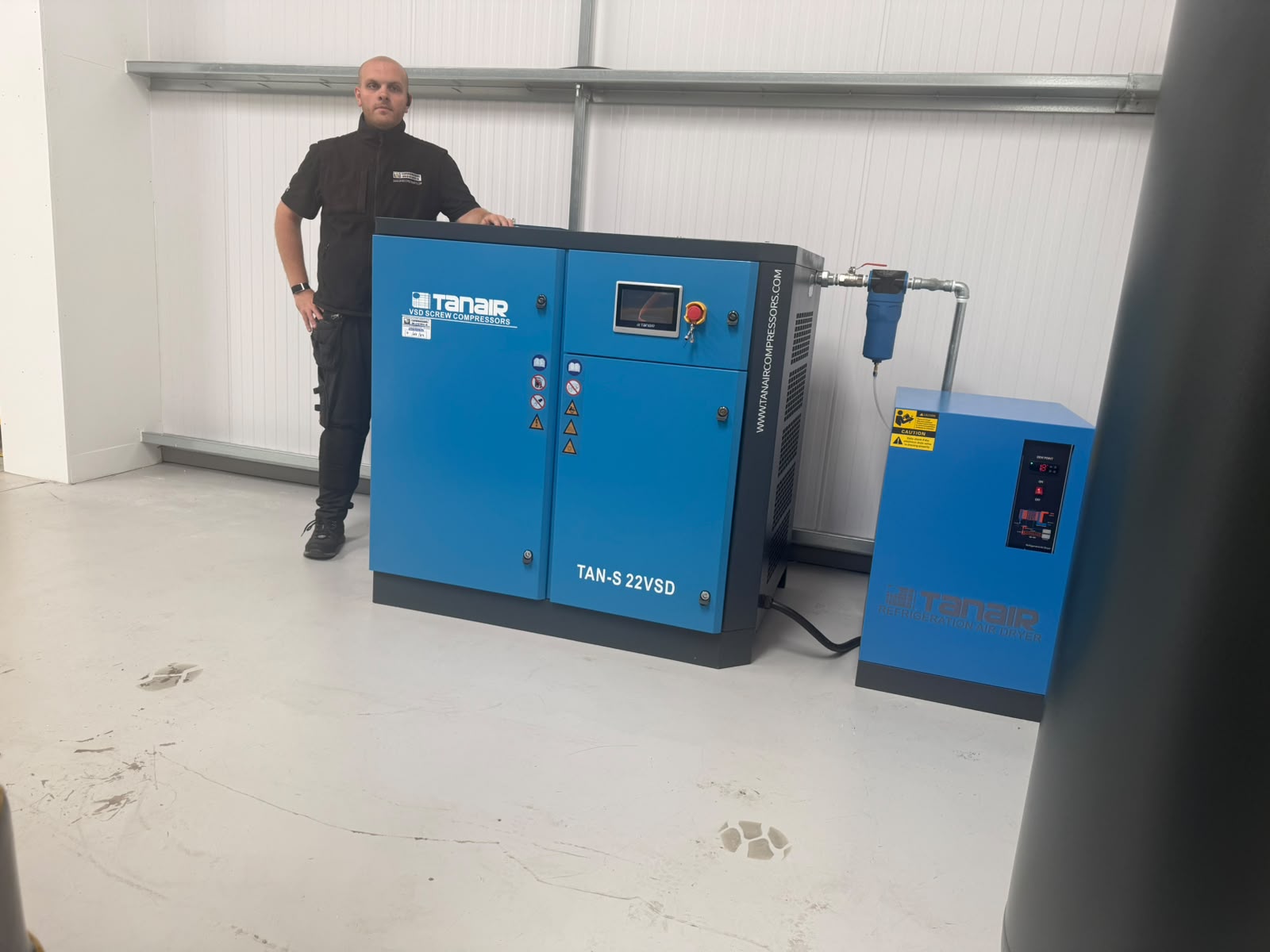
Alongside the existing NOBEL products, the current Tanair TAN-S range gives workshops and industrial users a lower-output PM VSD option from 19 CFM through to the 22kW model at approximately 112–113 CFM.
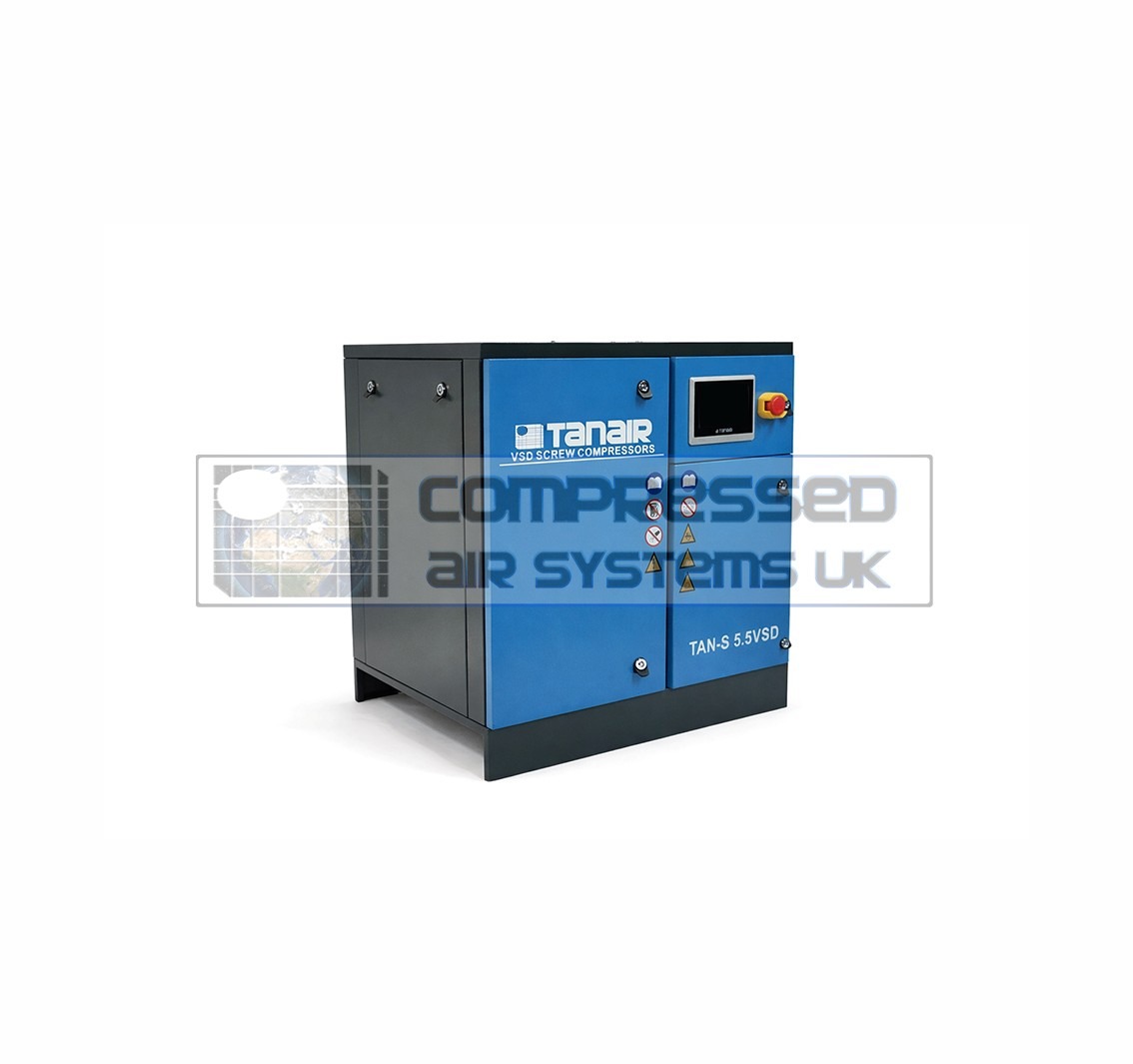
5.5 kW • 19 CFM • 10 Bar • 415V
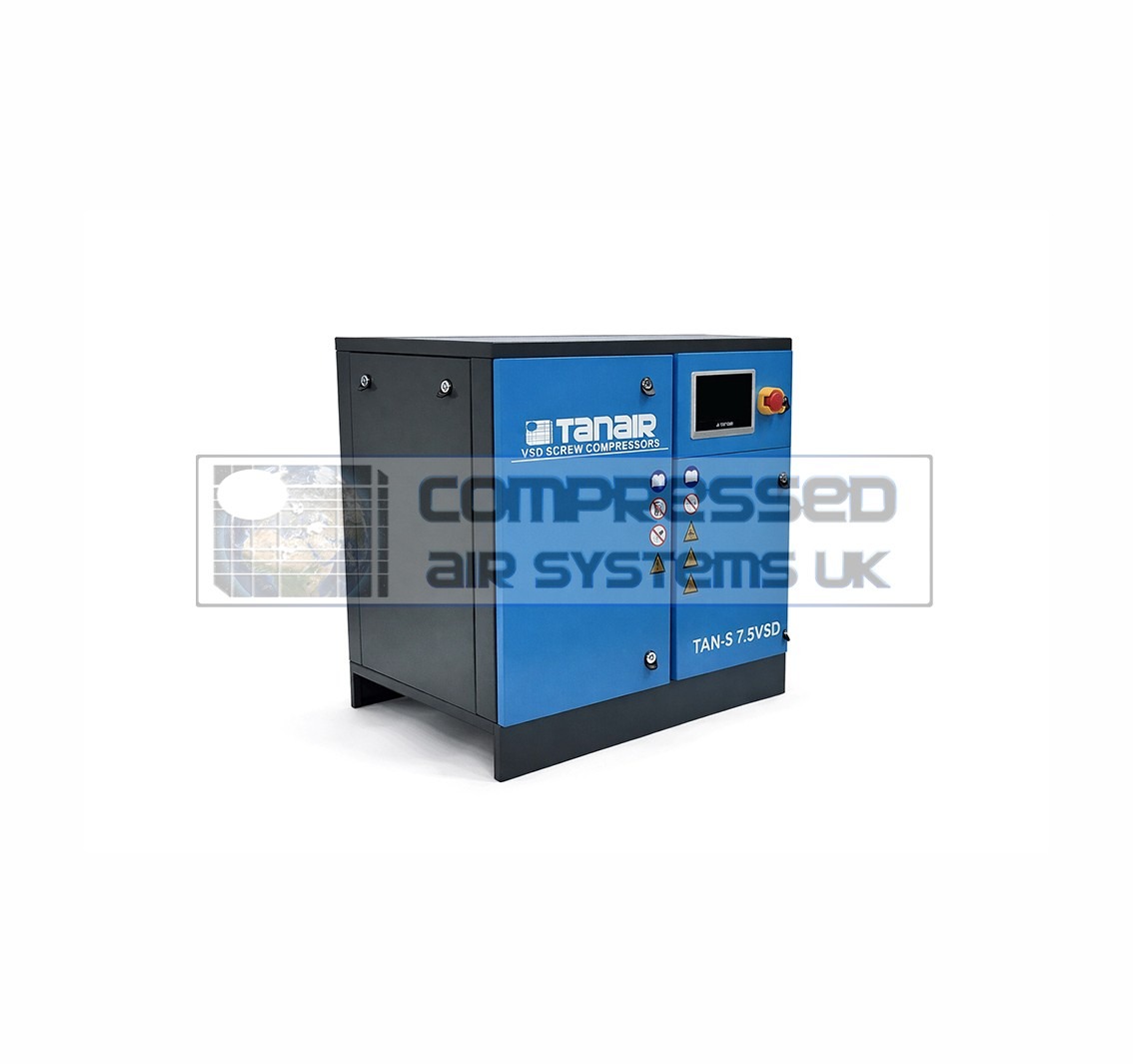
7.5 kW • 32 CFM • 10 Bar • 415V
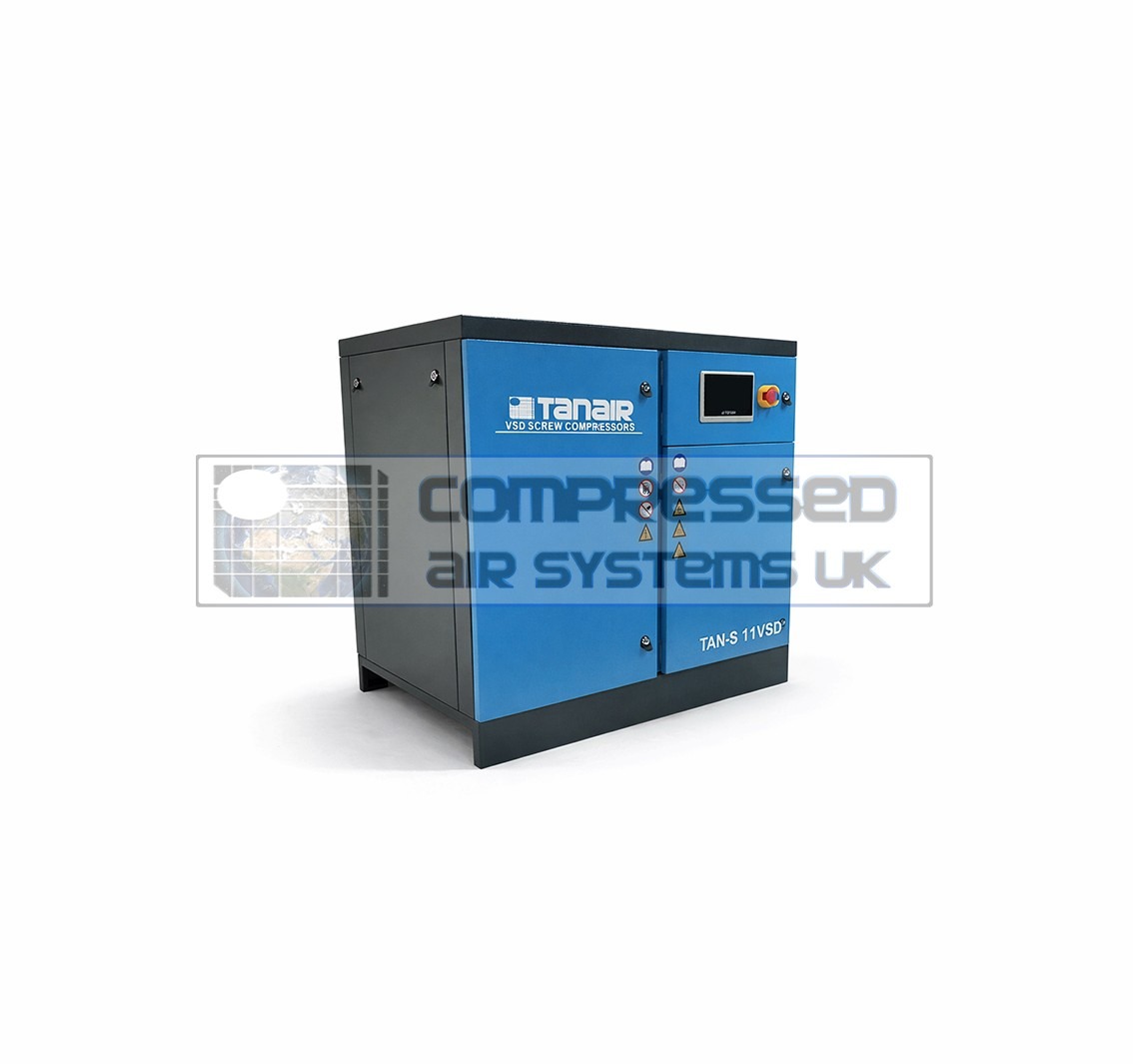
11 kW • 46 CFM • 10 Bar • 415V
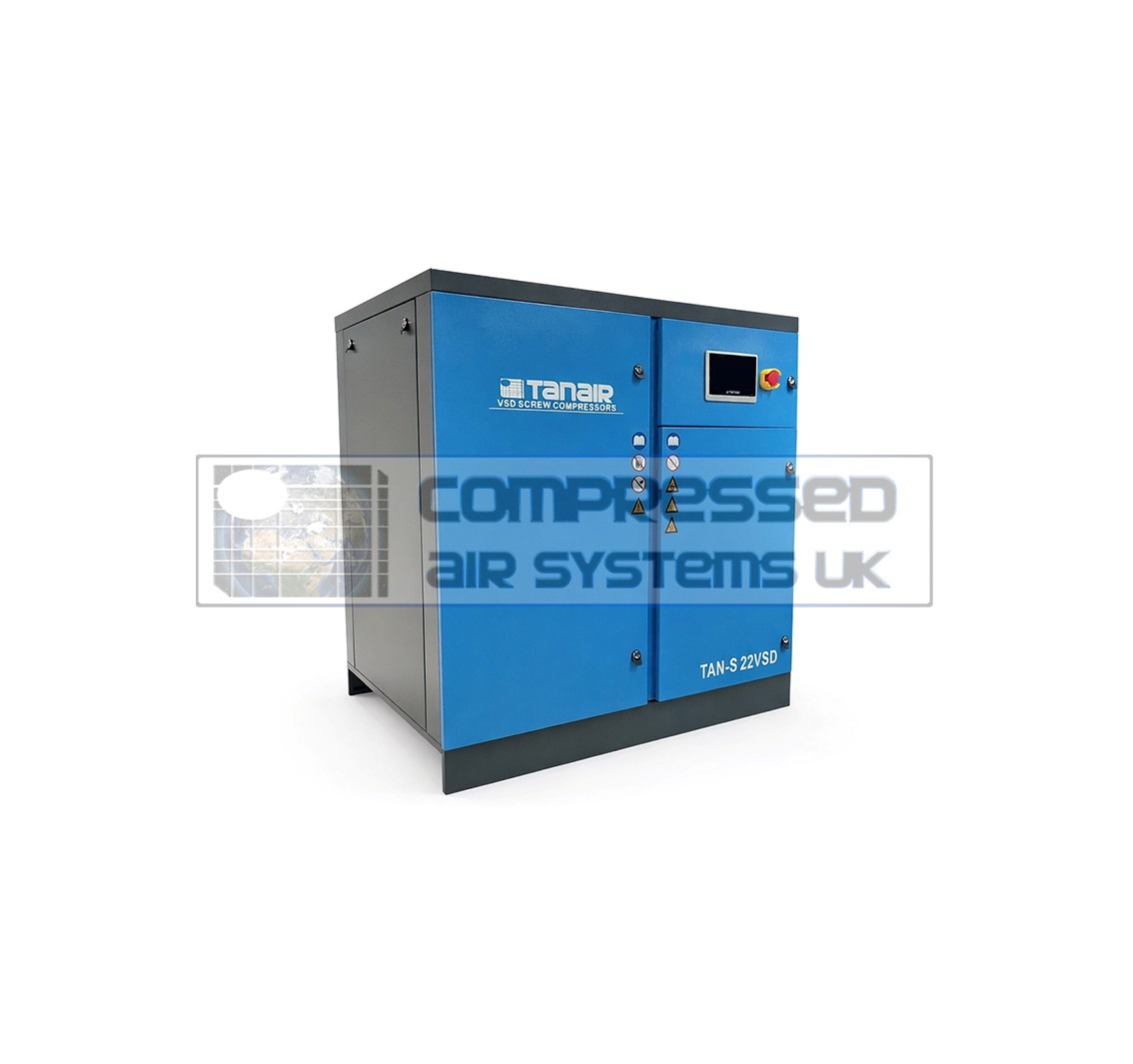
22 kW • 112 CFM • 10 Bar • 415V
| Demand Profile | Likely Starting Point | Why |
|---|---|---|
| Stable, high demand | Correctly sized fixed speed | Can operate efficiently when loaded for long periods. |
| Demand rises and falls | Variable speed | Motor speed can follow changing airflow demand. |
| Multiple compressors | Sequenced system | Overall control strategy may matter more than one individual machine. |
| Unknown demand | Measure first | Data logging reduces the risk of buying the wrong capacity. |
No. VSD is strongest where air demand varies. A correctly sized fixed-speed compressor can be suitable where demand remains stable.
The current TAN-S product pages describe potential savings of up to 35%, depending on demand variation. Real savings depend on the existing compressor and operating profile.
No. Start with delivered airflow and working pressure, then check power, duty, treatment and installation requirements.
Not automatically. Oversizing can create long unloaded periods and unnecessary energy use.
Only where the process or equipment requires that air-quality standard. Oil-free technology should be selected from the actual application requirement.
The original article’s support route remains in place. For sizing, energy-saving advice or help comparing the existing Power Systems NOBEL models with our Tanair TAN-S range, contact the team.
Offices, Trade Counter & Warehouse
Compressed Air Systems UK
Unit 15, Fortnum Close
Birmingham, B33 0LG
Call 0121 753 3330 or use the Contact Us page.
Compare the retained Power Systems NOBEL machines with our Tanair TAN-S VSD range, or let us help establish the airflow and pressure your site actually needs.
BUSINESS ENERGY ADVICE SERVICE Could the BEAS Grant Help Towards Your Next Air Compressor? Eligible West Midlands businesses could access
Hire Compressor Guidance Preparing Your Site for a Hire Compressor and Choosing the Right Hire Length Did you know that
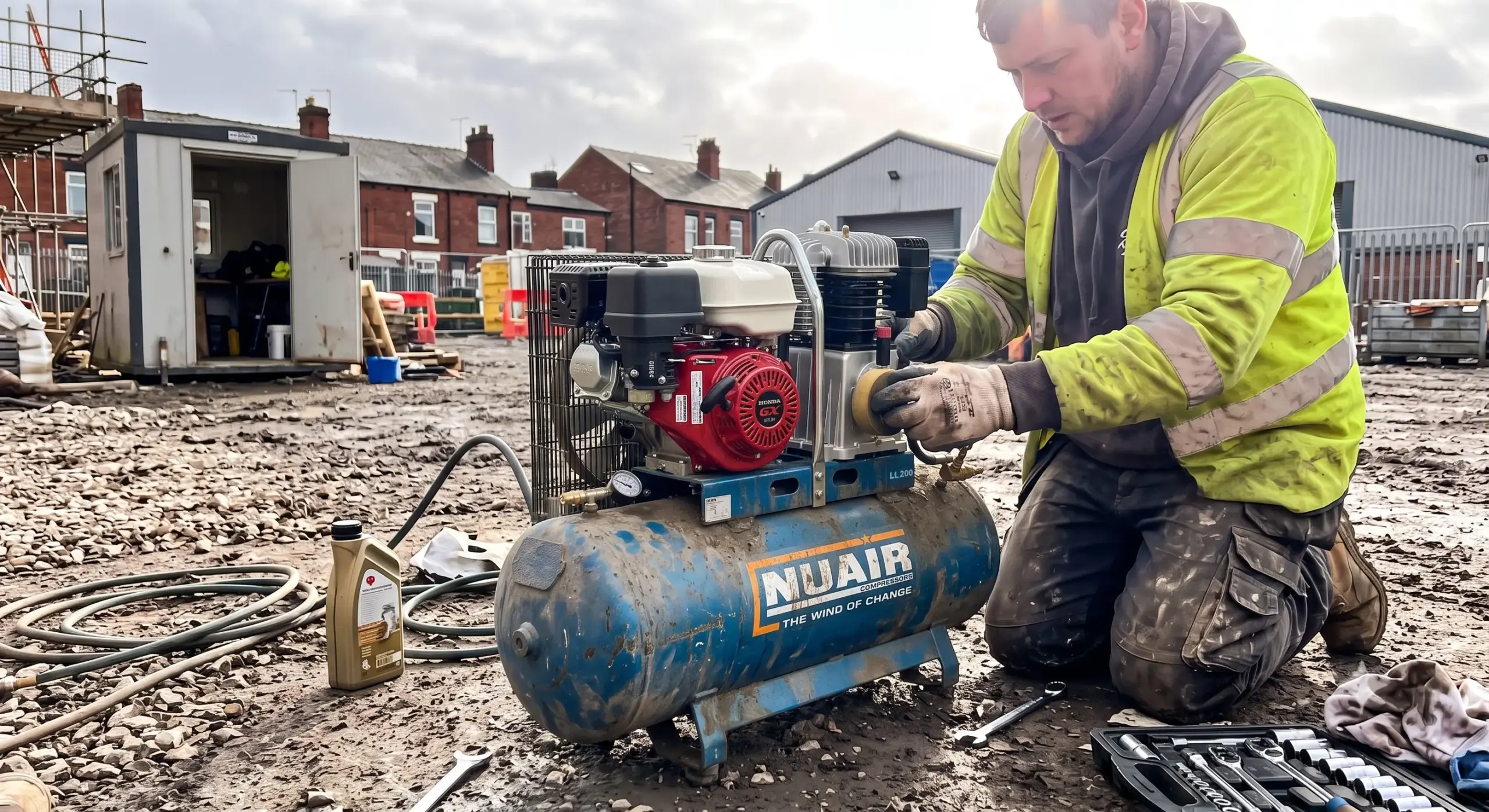
Portable Compressed Air Without Mains Power Petrol Compressors Guide for UK Sites & Workshops Petrol-powered compressors can provide practical compressed
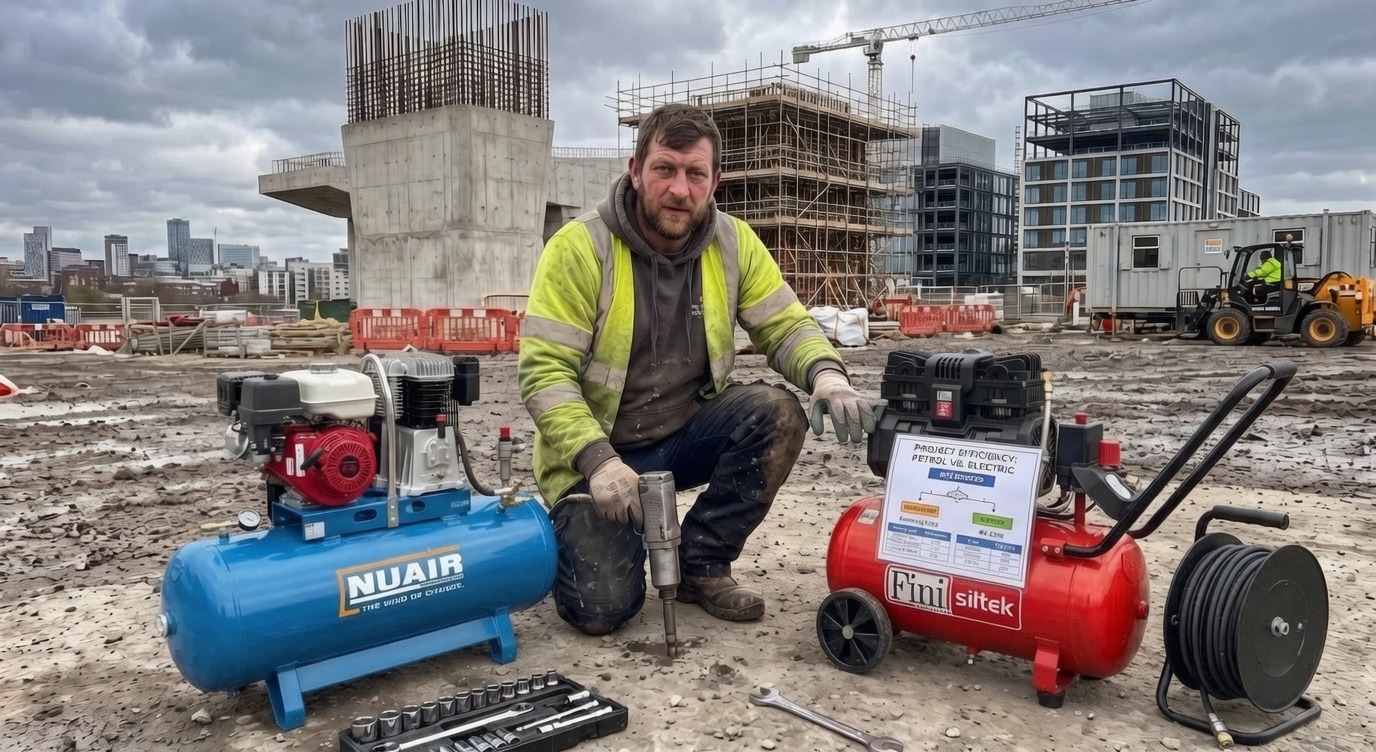
Portable Site vs Workshop Compressors Petrol vs Electric Air Compressors: Which Is Best? Petrol is often the practical choice when
Compressed Air Storage for CNC & Manufacturing What Size Air Receiver Do I Need for a CNC Workshop? Receiver size
CNC & Manufacturing Compressor Selection Variable Speed vs Fixed Speed Compressors for CNC Equipment Fixed speed can be an excellent