Industry leaders since 1992
Fast delivery
Trade counter collection
Experts available 24/7
Read our Trustpilot reviews
Help & Advice • Emergency & Disaster Recovery

The Role of Air Compressors in Disaster Recovery Operations

Compressed air can support rescue, clearance, temporary repairs and recovery work where normal infrastructure has been disrupted. The value comes from powering the right pneumatic tools reliably — not from treating an air compressor as a general-purpose substitute for electricity or specialist medical-gas systems.

Debris ClearancePneumatic ToolsTemporary RepairsRemote WorkRecovery BasesPreparedness

Where Compressed Air Helps During Recovery

After flooding, storms, structural damage or other major incidents, compressed air may be useful where teams need pneumatic tools, inflation, controlled air supply for approved equipment or temporary workshop capability.

Debris & Repair ToolsSuitable compressors can power pneumatic breakers, drills and other tools where those tools are appropriate to the operation.
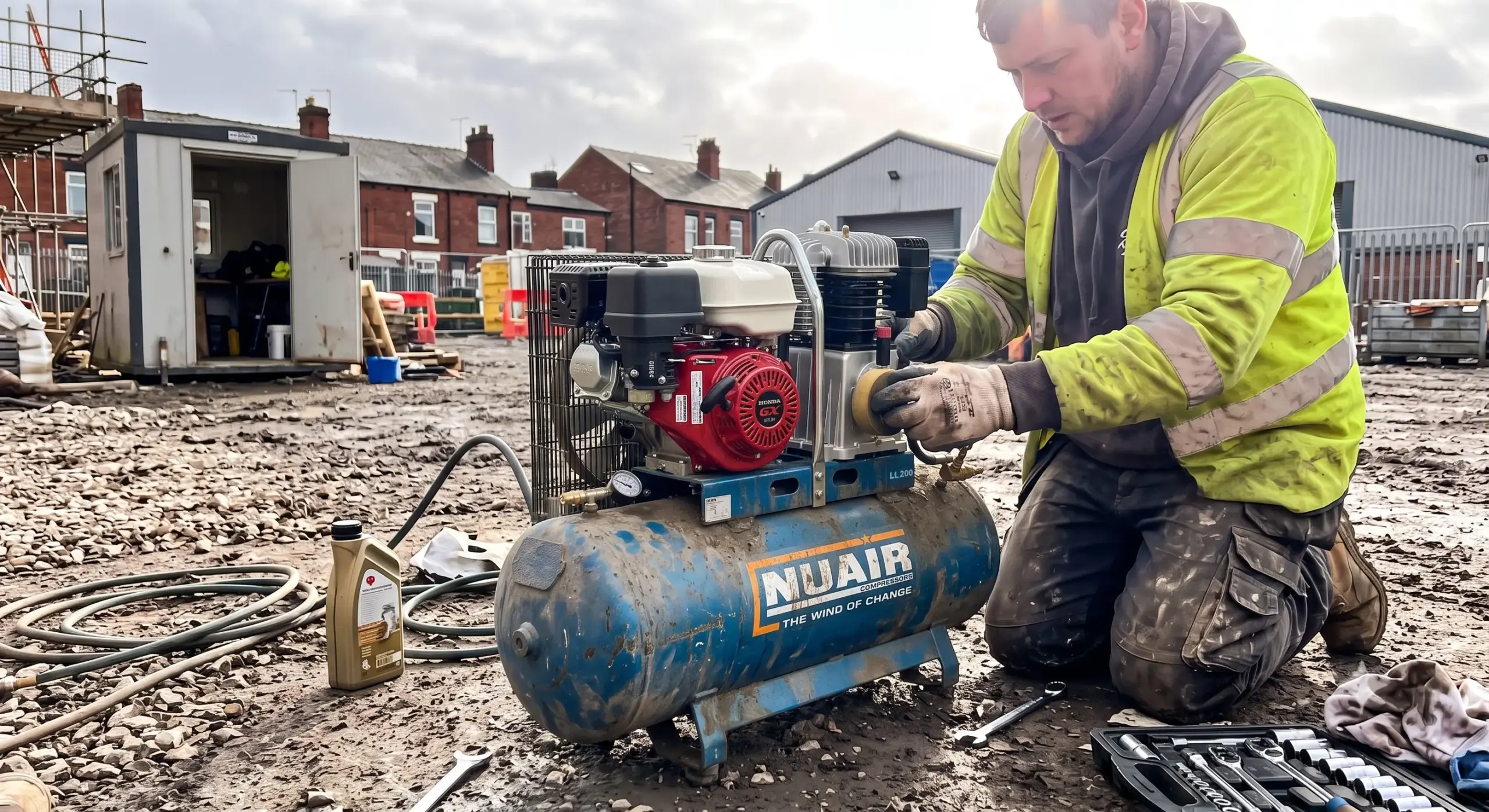
Remote MaintenanceEngine-driven or appropriately powered portable compressors can support repairs where fixed compressed-air infrastructure is unavailable.
Temporary FacilitiesCompressed air can support workshop, maintenance and rebuilding activities while permanent services are restored.

What an Air Compressor Does — and Does Not Do

An air compressor converts mechanical or electrical energy into compressed-air energy. That compressed air can then power compatible pneumatic equipment.

An air compressor is not a generator. It does not normally create electricity for lights, communications equipment or general electrical loads. If electrical power is required, use a correctly specified generator or other electrical supply.

Portable vs Stationary Compressors

Portable / Engine-Driven

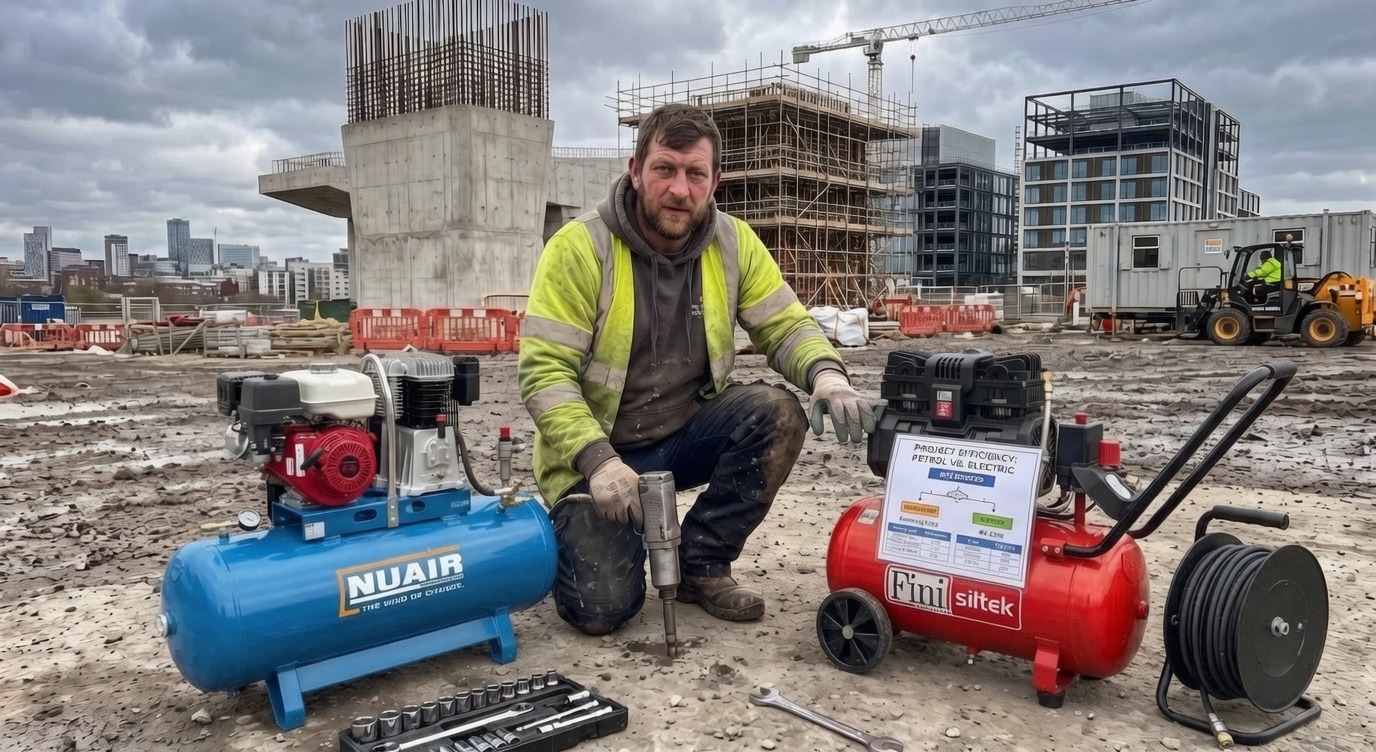
Useful where mobility and independence from mains electricity are the priority. Site selection, ventilation, fuel availability and exhaust safety are critical.

Stationary Electric

Better suited to established recovery bases, workshops and facilities where a suitable electrical supply is available and longer-term compressed-air demand is expected.

The 8 Existing Compressor Recommendations — Preserved

The live article repeats the same eight compressor products twice. The duplicate second grid has been consolidated, but every unique product recommendation and its existing article imagery is retained below. citeturn595258view0

100/50 Tandem Prime T3 (400 Volts)
Existing Article Product

100/50 Tandem Prime T3 (400 Volts)

17.6 CFM • 10 Bar • 90L • Oil-Free

View Product
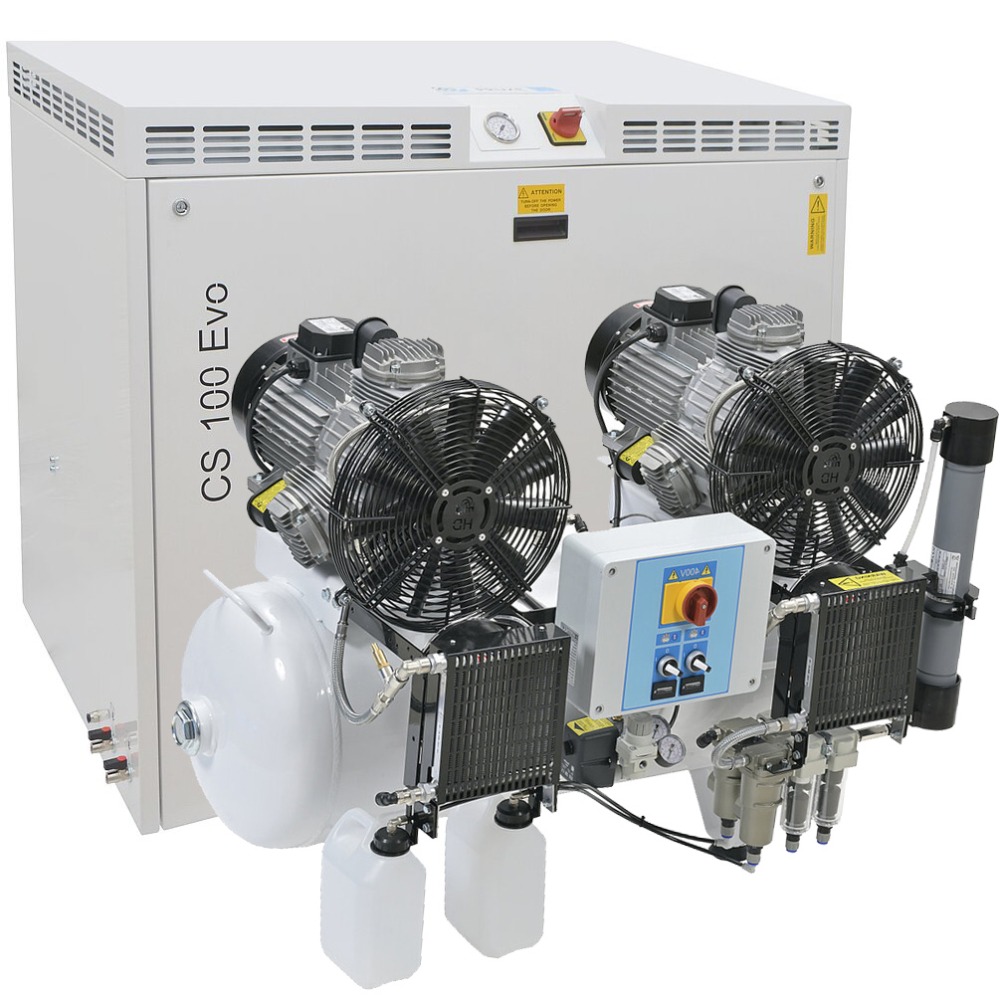
MGF M-PR-CS600-090-T-AN
Existing Article Product

MGF M-PR-CS600-090-T-AN

Prime HDD T • Desiccant Dryer • Oil-Free

View Product
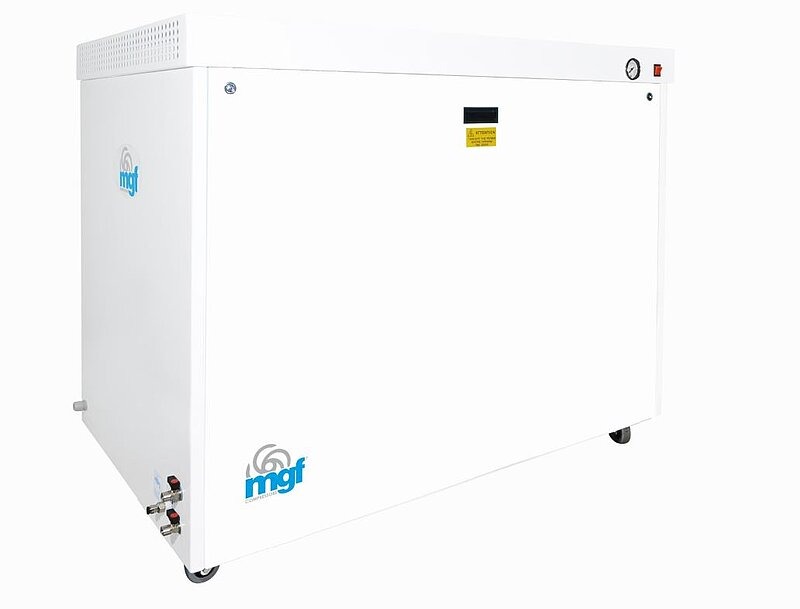
CS 100/50 Tandem Prime S (230 Volt)
Existing Article Product

CS 100/50 Tandem Prime S (230 Volt)

17.6 CFM • 100L • Silenced • Oil-Free

View Product
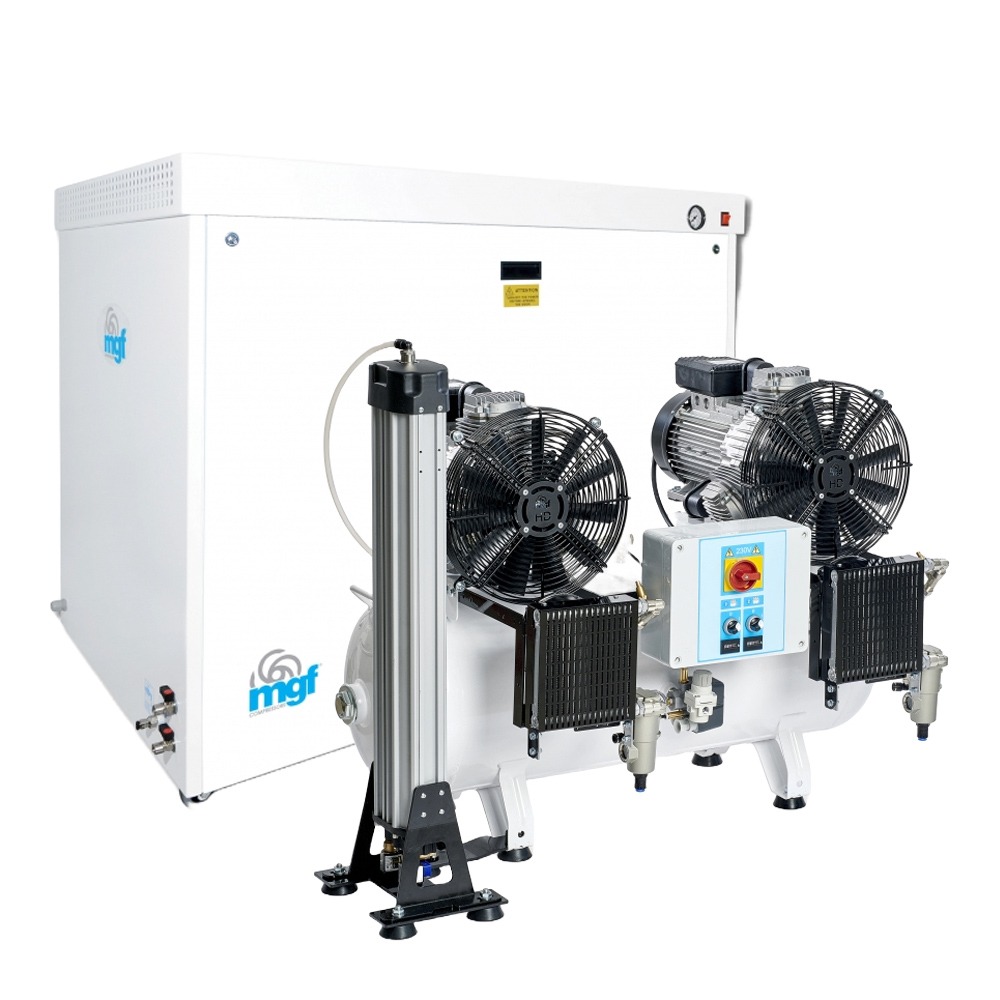
MGF M-PR-CS600-090-T3-AN (400 Volt)
Existing Article Product

MGF M-PR-CS600-090-T3-AN (400 Volt)

15.8 CFM • 90L • Desiccant Dryer • Oil-Free

View Product
Fini Pulsar Ultimate K30-270-5.5 TA
Existing Article Product

Fini Pulsar Ultimate K30-270-5.5 TA

25.6 CFM • 270L • Silenced

View Product
CS100/50 Cabinet Silenced 3 Phase (400 Volt)
Existing Article Product

CS100/50 Cabinet Silenced 3 Phase (400 Volt)

17.6 CFM • 90L • Silenced

View Product
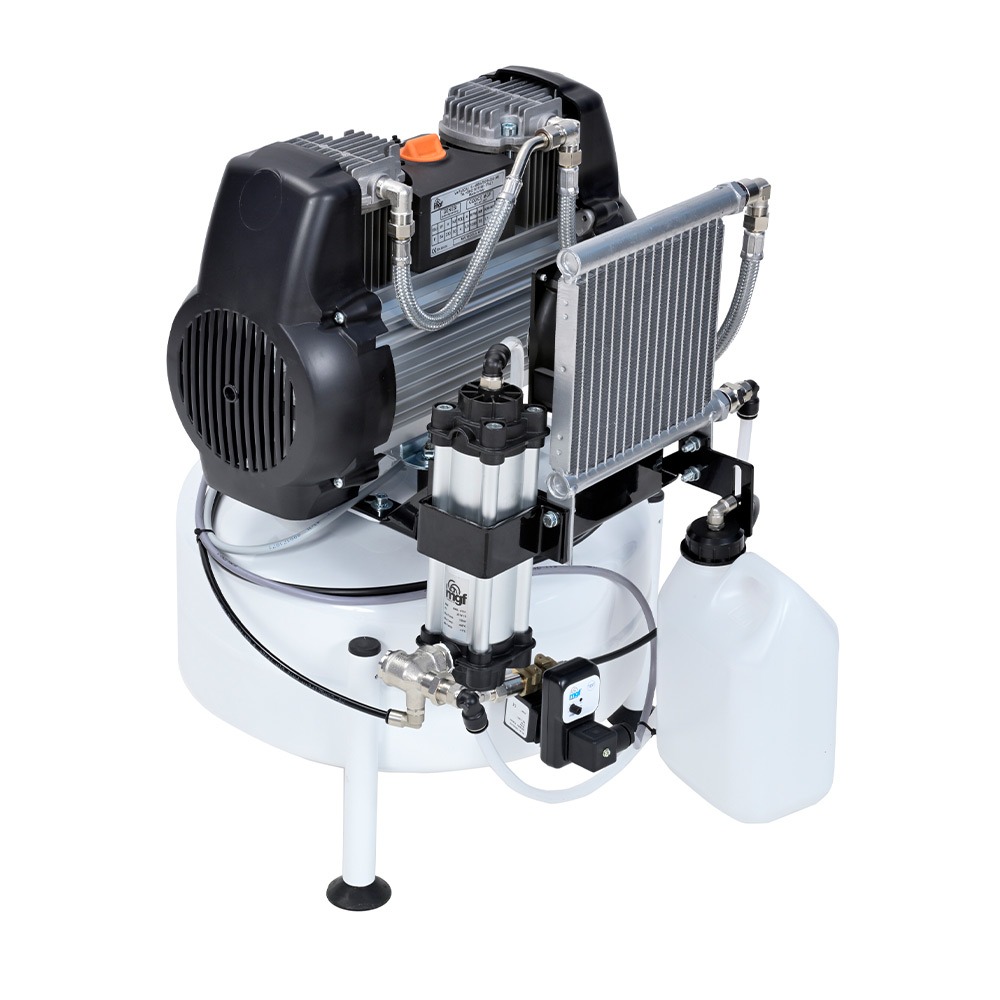
Fini Pulsar Ultimate K30-270-7.5 TA
Existing Article Product

Fini Pulsar Ultimate K30-270-7.5 TA

31 CFM • 270L • Silenced

View Product
MGF M-D-GE150-024-SK (230 Volt)
Existing Article Product

MGF M-D-GE150-024-SK (230 Volt)

50/10 Genesi SK • Oil-Free

View Product

Choosing a Compressor for Recovery Work

  • Identify the pneumatic tools that must run
  • Add simultaneous CFM demand where tools will operate together
  • Confirm required working pressure
  • Decide whether mains electricity is realistically available
  • Check access, transport and lifting requirements
  • Plan fuel supply if using engine-driven equipment
  • Check ventilation and exhaust arrangements
  • Consider spare compressor capacity if downtime would stop the recovery operation

Medical & Rescue Applications Need Extra Care

The original article broadly grouped general compressed air with ventilators and medical life-support equipment. That is too loose. Medical air and breathing-air duties require purpose-designed systems, controlled air quality and applicable clinical or technical standards.

Do not connect a general-purpose workshop or site compressor to medical life-support equipment. Emergency medical air must come from an appropriate validated medical-gas system.

Pneumatic rescue tools are a different matter: where the tool manufacturer specifies compressed air, a correctly sized compressor can support cutters, drills and other approved rescue equipment.

Debris Clearance & Structural Work

Pneumatic breakers, chisels and drills can be useful where debris needs to be broken down or infrastructure repaired. The compressor still needs to be sized around the tool's real air consumption and duty cycle.

Safety takes priority over speed. Structural instability, dust, confined spaces, utilities and contaminated environments all require appropriate emergency-response controls before pneumatic equipment is deployed.

Preparedness Matters Before the Incident

  • Keep service intervals current
  • Run and function-test standby equipment periodically
  • Inspect hoses, couplings and safety devices
  • Store approved fuel safely where engine-driven equipment forms part of the plan
  • Maintain compatible tool and fitting inventories
  • Train operators before emergency deployment
  • Record compressor model, CFM, pressure and power requirements in the response plan

When Temporary Air Is Appropriate

A temporary compressor can keep selected operations running while a permanent system is repaired or replaced, but it must be matched to the actual site requirement.

  • Required CFM and pressure
  • Voltage and electrical capacity for electric compressors
  • Ventilation and fuel management for engine-driven compressors
  • Pipework or hose connection size
  • Required air quality and drying
  • Physical access and location

Disaster Recovery Compressor FAQs

Can an air compressor replace a generator?

No. A compressor supplies compressed air; a generator supplies electricity. Use the correct power source for the equipment you need to operate.

Are diesel compressors best for disaster recovery?

They can be useful where mains electricity is unavailable, but suitability depends on required CFM, pressure, access, ventilation, fuel logistics and operating environment.

Can a normal compressor supply medical air?

No general-purpose compressor should be assumed suitable for medical-gas or life-support duty. Use a purpose-designed and validated medical-air system.

What compressor size is needed for pneumatic breakers?

Use the manufacturer's air-consumption figure for the actual breaker and add the demand of any tools expected to run simultaneously.

Can you provide temporary compressor support?

Temporary equipment may be available depending on airflow, pressure, power supply, access and fleet availability. Contact us with the site requirement.

Compressed Air Systems UK

For urgent compressor breakdown support, call 0121 753 3330. Routine sales, trade-counter and normal customer-service activity remains subject to normal opening arrangements.

Offices, Trade Counter & Warehouse
Compressed Air Systems UK
Unit 15, Fortnum Close
Birmingham, B33 0LG

Need Compressed Air During an Urgent Recovery?

Send the required CFM, pressure, power availability, location and intended equipment and we can help determine the most practical next step.

Contact Compressed Air Systems UK
Scroll to Top